
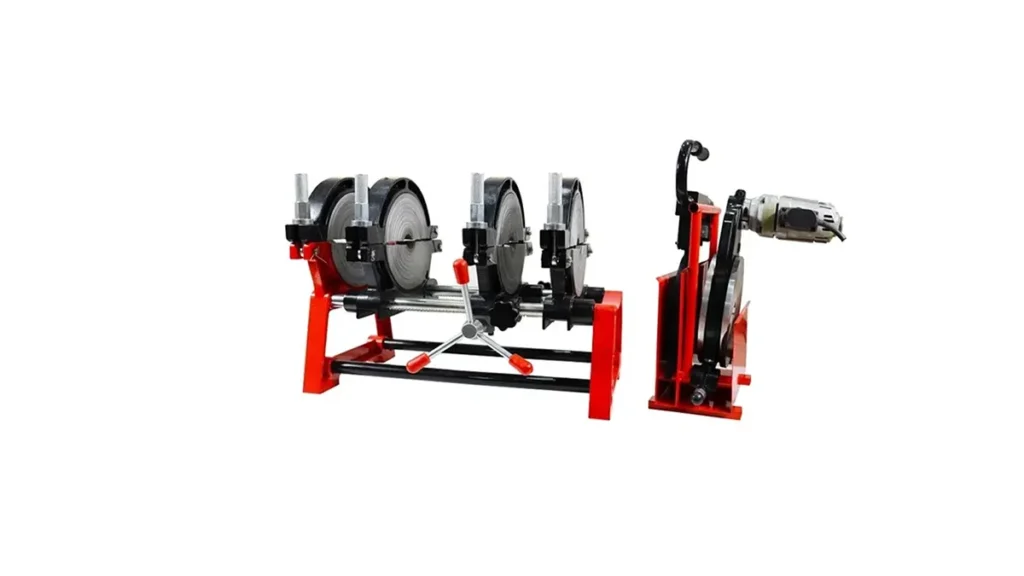
HDPE pipe jointing machines are essential tools for creating durable, leak-free connections across Egypt’s water, gas, and irrigation networks. From Cairo’s urban distribution systems to Nile Delta irrigation projects and desert oilfield pipelines, reliable butt fusion equipment ensures long-term performance in demanding local conditions.
Why HDPE Pipe Connections Matter in Egypt
Egypt’s infrastructure growth places heavy demands on pipeline reliability. Harsh sun, high temperatures, and sand exposure accelerate wear on poorly joined pipes. Choosing the right HDPE pipe jointing machine means fewer failures, lower maintenance costs, and safer service for communities and industry. Municipal utilities, agricultural cooperatives, and private contractors across Egypt prioritize machines that deliver consistent fusion strength and easy operation in the field.
Common Applications Across Egyptian Projects
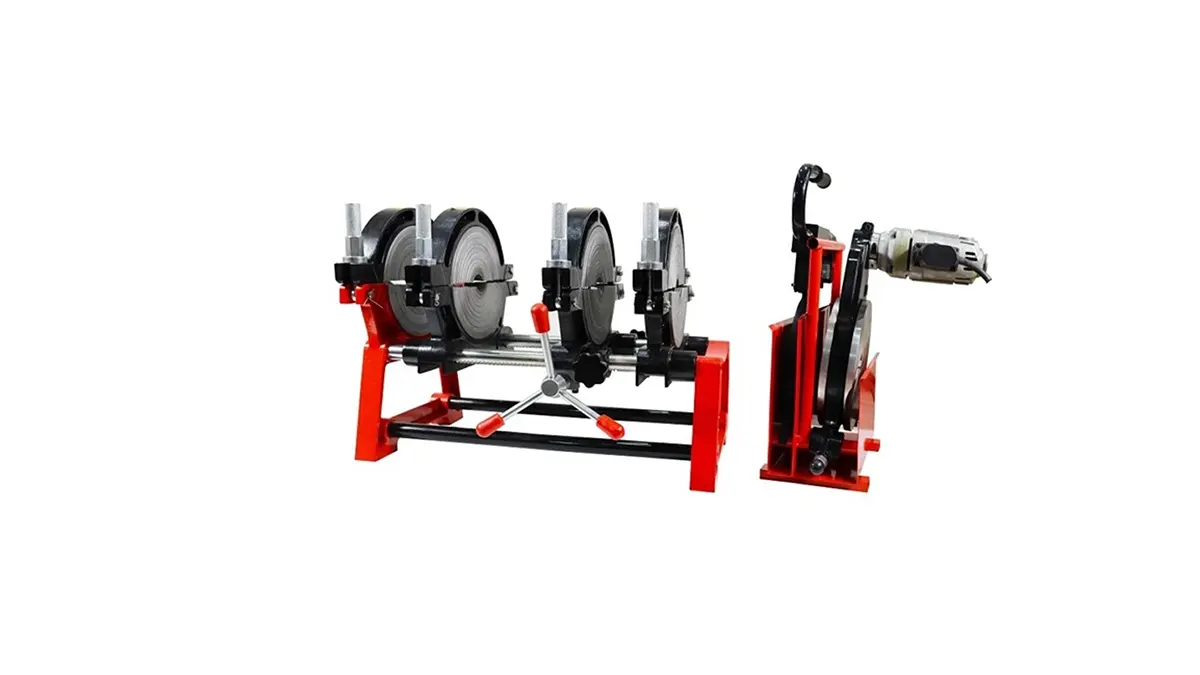
Typical uses include potable water mains, wastewater networks, natural gas distribution, agricultural irrigation lines and mining operations. Strong butt-fused joints resist ground movement and temperature cycles common in Cairo and Upper Egypt.
Types of HDPE Pipe Jointing Machines
Selecting from manual, hydraulic, or CNC automatic butt fusion machines depends on project scale, crew skill level, and working environment. Below is a quick comparison to help contractors and procurement teams in Egypt evaluate options.
| Machine Type | Pipe Range | Best For |
|---|---|---|
| Manual Butt Fusion | 20mm – 400mm | Small jobs, remote field repairs, farmers and municipal crews |
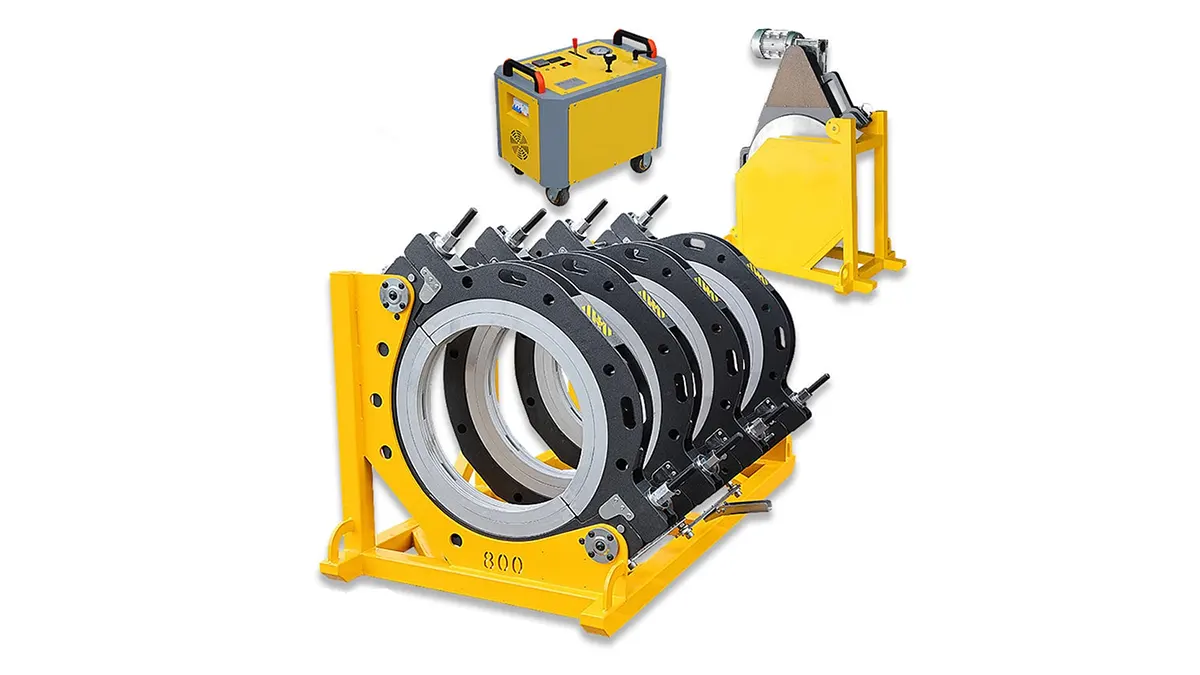
| Hydraulic Butt Fusion | 110mm – 1600mm+ | Medium to large pipeline construction, gas and water mains |
| CNC Automatic Butt Fusion | 50mm – 1200mm | High-volume production, precise control, quality assurance |
Choosing the Right Machine for Egyptian Conditions
Temperature management is critical in Egypt. Select machines with reliable heating plates and temperature controls to avoid under- or over-fusion during hot midday work. For desert or rural installations, portability and simplicity are advantages—manual machines and compact hydraulic units are preferred where transport and power access are limited.
Site factors to consider: pipe diameter, access to electricity, crew experience, and expected daily joint quantities. For large urban projects in Alexandria or Greater Cairo, automated units improve consistency and reduce operator fatigue.
Quality Control and Best Practices
Follow standardized fusion procedures and document each weld. Key steps include proper pipe preparation, correct alignment, controlled heating, and regulated cooling. In Egypt, where rapid deployment is often required during seasonal irrigation or emergency repairs, maintaining a strict QA checklist reduces rework and extends pipeline life.
Training tip: invest in short practical workshops for crews on fusion parameters and machine maintenance—this pays off in fewer leaks and safer networks.
Service, Parts and Customization
Look for suppliers who offer spare parts, technical support, and the option to customize machines for local needs—e.g., reinforced frames for sandy sites or upgraded hydraulic systems for continuous heavy use.
About JQ-Fusion
JQ-Fusion supplies a full range of butt fusion equipment designed to meet international standards and the specific demands of Middle Eastern and North African projects.
Ready for Stronger Pipe Connections?
Whether you’re working on municipal water upgrades, irrigation expansion in the Nile Delta, or industrial pipelines across Egypt, the right HDPE pipe jointing machine makes the difference. Assess your project needs, choose a machine type that matches local conditions, and prioritize documented welding procedures for durable, leak-free systems.



