
Brunei’s growing infrastructure and thriving oil & gas, water supply and rural development projects demand dependable pipe welding solutions. HDPE butt fusion machines deliver leak-free joints, corrosion resistance and long-term performance suited to the Sultanate’s humid, coastal environment and dispersed pipeline networks.
Why HDPE Butt Fusion Works for Brunei Projects
Durability in tropical climates: HDPE resists corrosion, biological growth and many chemical exposures common in coastal and inland Bruneian worksites. For utilities and onshore service lines, fused joints reduce maintenance and downtime. For island or remote installations, the ability to create continuous, flexible runs is a major advantage.
Key Applications in Brunei
Typical uses include:
- Water distribution and potable supply networks for municipalities and remote villages
- Gas distribution and service laterals tied to upstream facilities
- Irrigation systems for agriculture projects and landscaped developments
- Industrial and mining pipelines where chemical or abrasion resistance is required
Choosing the Right Machine Type
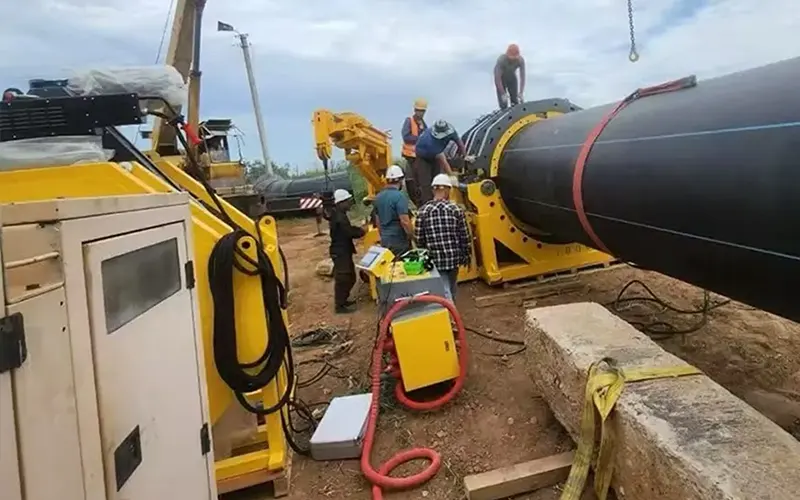
Select equipment based on pipe diameter, site mobility and automation needs. Options commonly used on Brunei sites:
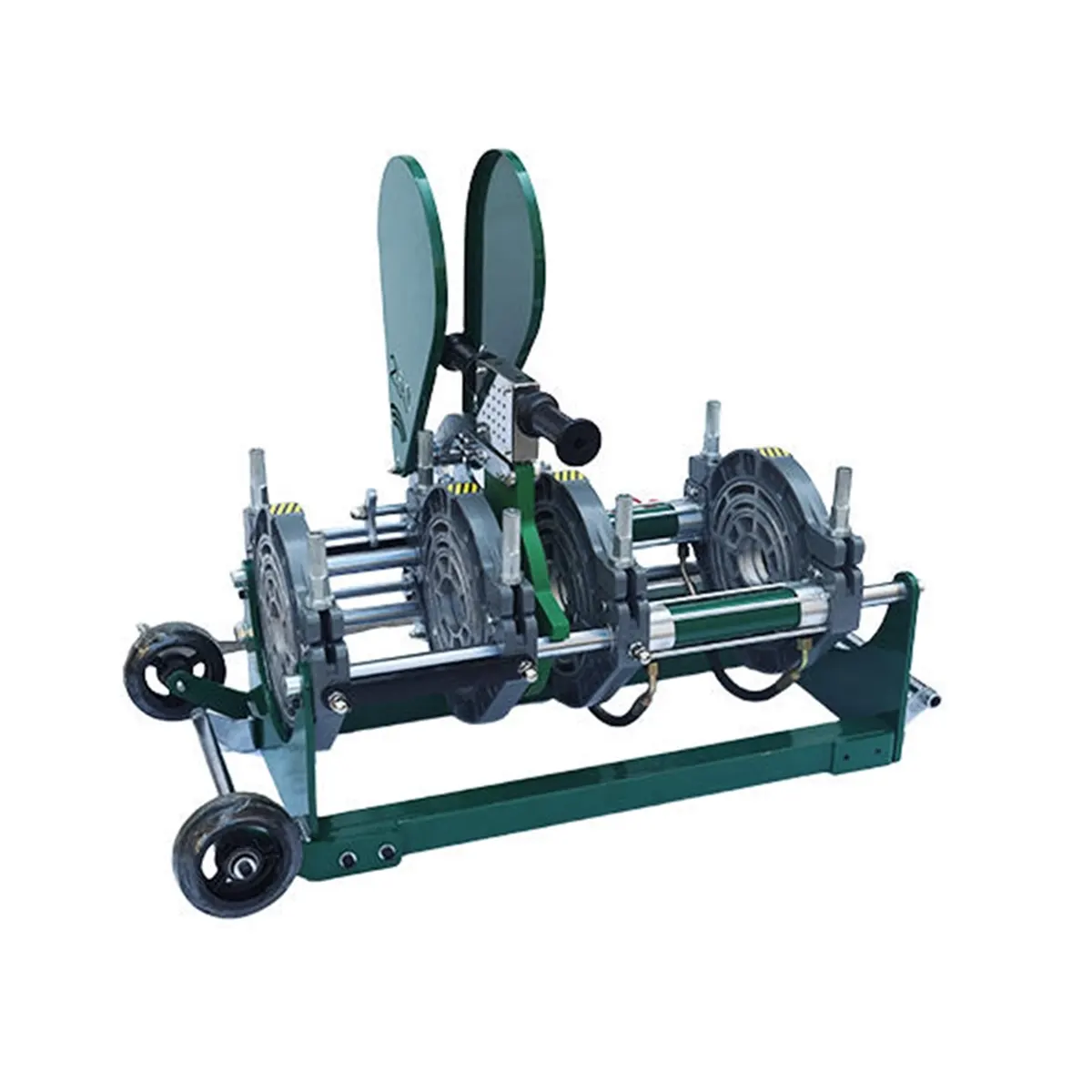
- Manual machines — mobile, cost-effective for small-diameter work and remote locations.
- Hydraulic machines — reliable for medium-to-large diameters with robust clamping and alignment.
- CNC/Automatic systems — ideal for high-volume or precision projects, providing repeatable fusion records and less operator variability.
Quick comparison table
| Machine Type | Pipe Range | Control | Best For |
|---|---|---|---|
| Manual Butt Fusion | 20–315 mm | Manual | Remote sites, small crews |
| Hydraulic Butt Fusion | 63–1600 mm | Hydraulic control | Municipal and industrial pipelines |
| Automatic / CNC | 63–2250 mm+ | CNC/PLC | Large projects, repeatable quality |
Installation and Training for Local Teams
Successful fusion depends on correct alignment, heating, and controlled cooling. Local contractors, utility teams and Oil & Gas maintenance crews in Brunei should plan for:
- Hands-on training sessions and certified fusion procedure instruction
- Routine calibration of heaters and pressure systems
- Spare parts and consumables stocked for remote deployment
Maintenance & Quality Assurance
Prioritize preventive maintenance and documented fusion logs to meet Brunei’s quality expectations. Key checks include heater plate flatness, scraper condition, hydraulic seal integrity and accurate time/temperature recording for each joint.
Regulations, Certification & Local Support
Ensure equipment and welding procedures align with international standards commonly referenced in Brunei projects (e.g., ISO, ASTM, or regional utility specifications). For procurement and after-sales support, consider suppliers who provide training, spare parts and shipping logistics suitable for Brunei’s islands and mainland sites.
For high-quality HDPE welding equipment tailored to diverse pipe sizes and project scales, explore solutions from JQ-Fusion — a manufacturer experienced with manual, hydraulic and CNC butt fusion machines for global infrastructure needs.
Buying Checklist for Brunei Buyers
- Confirm pipe size range and maximum fusion diameter required.
- Check portability vs. automation needs for island or remote work.
- Verify local training, spare parts availability and export/shipping timelines to Brunei.
- Request documented QC reports and fusion procedure guides.
Ready for consistent, leak-free pipelines? Choose equipment and training that match Brunei’s environmental and operational realities to secure long-term network performance.



