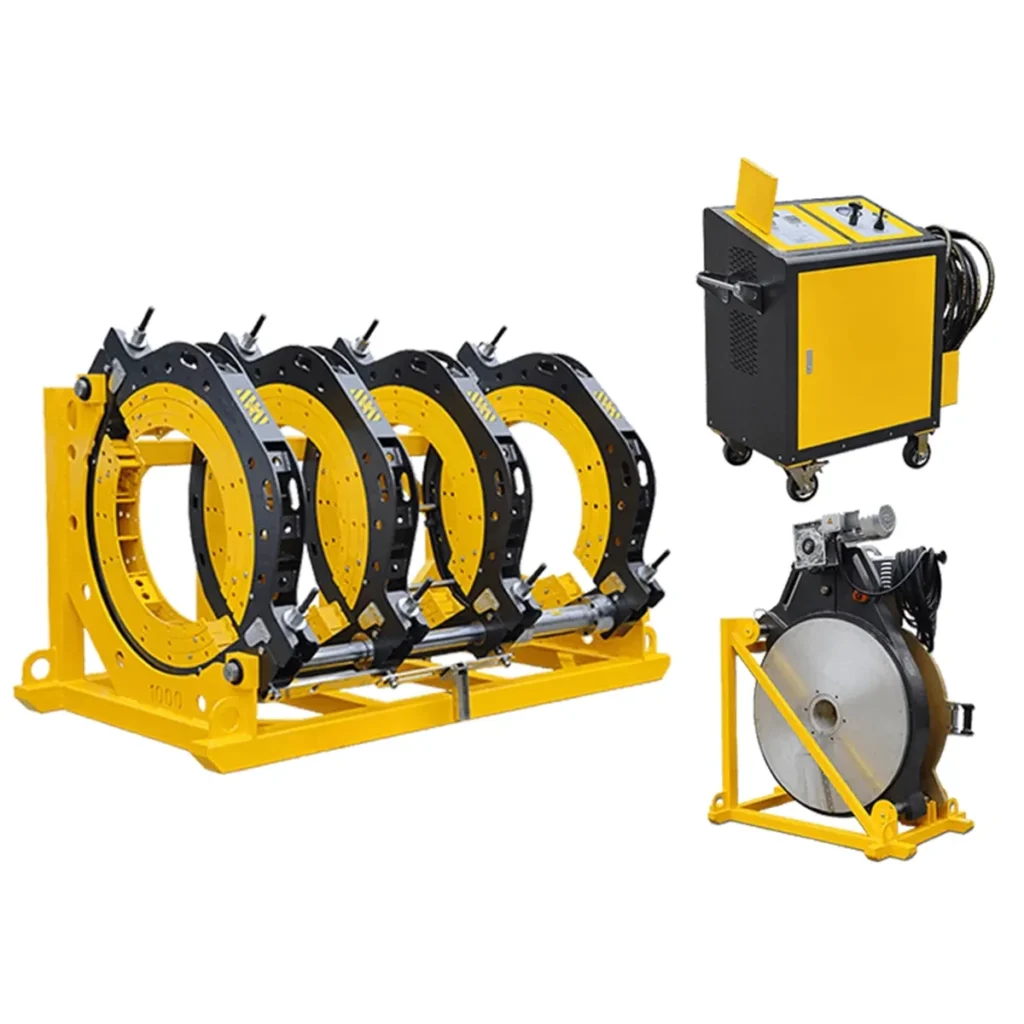
Achieving a reliable, leak-free joint in high-density polyethylene piping depends on precise heat soak and cooling cycles. The HDPE pipe fusion time by pipe size is not a one-size-fits-all value; it varies significantly based on the diameter and wall thickness of the pipe. Understanding these durations is critical for contractors and field technicians who aim to meet stringent project specifications and avoid costly joint failures. Whether you are working on municipal water supply, gas distribution, or industrial fluid transport, adhering to the correct PE butt fusion equipment standard ensures that the molecular bond created during the process is as strong as the pipe itself.
Why Strict Adherence to Fusion Timelines Matters
The integrity of an HDPE pipeline hinges on the butt fusion process. If the heating time is too short, the pipe ends will not reach a proper melt state, leading to a weak bond. Conversely, excessive heating can degrade the polymer structure. The cooling phase is equally vital. Removing the joint from the machine before it has solidified under pressure can introduce stress cracks. Following established PPI butt fusion procedure guidelines guarantees that the interfacial pressure is maintained while the material crystallizes, delivering a homogeneous joint that stands up to pressure testing.
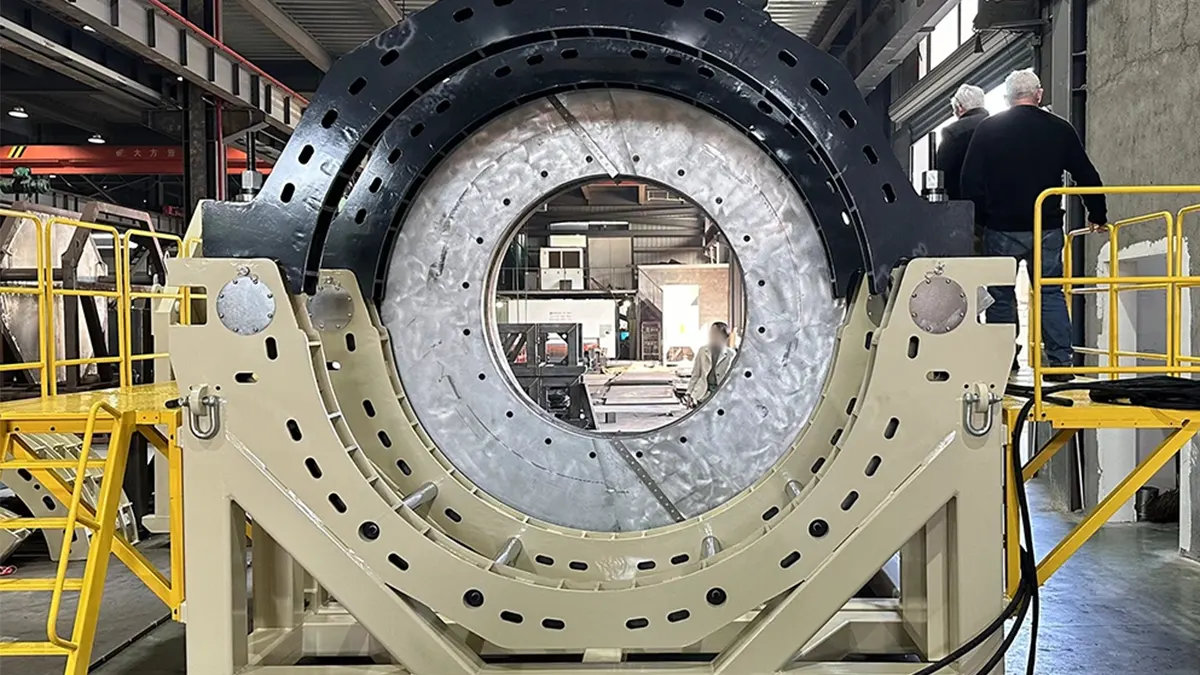
Standardized Heating Time Chart for Butt Fusion
The heating cycle, usually measured as the bead-up time after the initial melt bead forms, is directly proportional to the Standard Dimension Ratio (SDR) and wall thickness. The chart below outlines typical parameters for standard SDR 11 and SDR 17 pipes, reflecting the common ISO 21307 butt fusion procedures. Keep in mind that cold weather operations may require longer soak times to compensate for ambient heat loss, while preheated shelters might allow for standard cycles.
| Pipe Diameter (mm) | SDR 11 Heating Time (sec) | SDR 17 Heating Time (sec) | Cooling Time Under Pressure (min) |
|---|---|---|---|
| 110 | 50 – 70 | 35 – 50 | 10 – 12 |
| 160 | 70 – 90 | 50 – 70 | 13 – 15 |
| 250 | 100 – 130 | 75 – 100 | 17 – 20 |
| 355 | 140 – 170 | 110 – 140 | 22 – 25 |
| 500 | 190 – 230 | 145 – 180 | 28 – 32 |
| 630 | 240 – 290 | 180 – 220 | 34 – 38 |
| 800 | 300 – 350 | 230 – 280 | 40 – 46 |
Interfacial Pressure and Bead Inspection
A visual check of the melt bead is a real-time indicator of a successful heat cycle. The bead should be uniform, smooth, and double in size against the heater plate. If the bead is asymmetrical or rough, it suggests misalignment or an incorrect HDPE pipe fusion time by pipe size setting. During the cooling phase, do not attempt to accelerate the process with water or wet rags; rapid quenching induces thermal stress. The joint should cool naturally until the temperature drops below approximately 60°C (140°F), which is why large diameters often require extended stand-down periods in the machine.
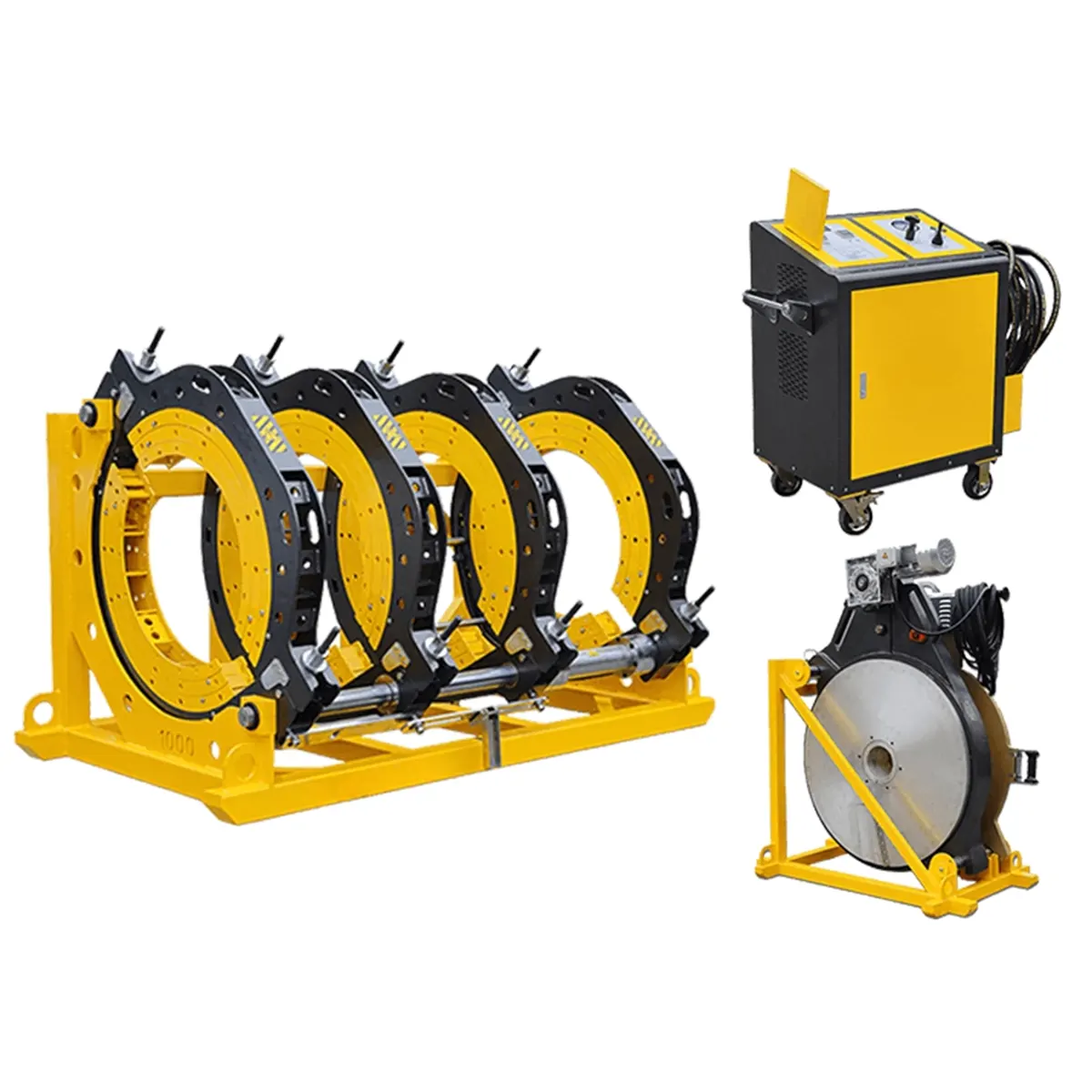
Critical Cooling Times by Wall Thickness
Cooling times are primarily a function of wall thickness, not just the diameter. A thin-wall SDR 17 pipe of 355mm will cool faster than a thick-wall SDR 11 pipe of the same diameter. The following list breaks down the rule-of-thumb cooling durations based on practical field experience and ASTM F2620 heat fusion recommendations:
- Pipe diameters 63mm – 110mm: Allow a minimum of 8 to 10 minutes of steady pressure cooling. These smaller sizes solidify quickly, but moving them prematurely is a common source of leaks.
- Pipe diameters 160mm – 250mm: A cooling window of 12 to 18 minutes is standard. Ensure the machine clamps remain locked and hydraulic pressure is maintained throughout this entire cycle.
- Pipe diameters 315mm – 500mm: These mid-range pipes require 20 to 35 minutes of cooling. The outer surface may feel warm to the touch while the core remains molten, so rely on the timer rather than touch.
- Pipe diameters 630mm – 1200mm: Heavy-wall large-diameter pipes need extensive cooling, often ranging from 40 minutes to over an hour. Rushing this stage can compromise PE butt fusion process integrity under buried soil loads.
How Equipment Selection Impacts Cycle Times
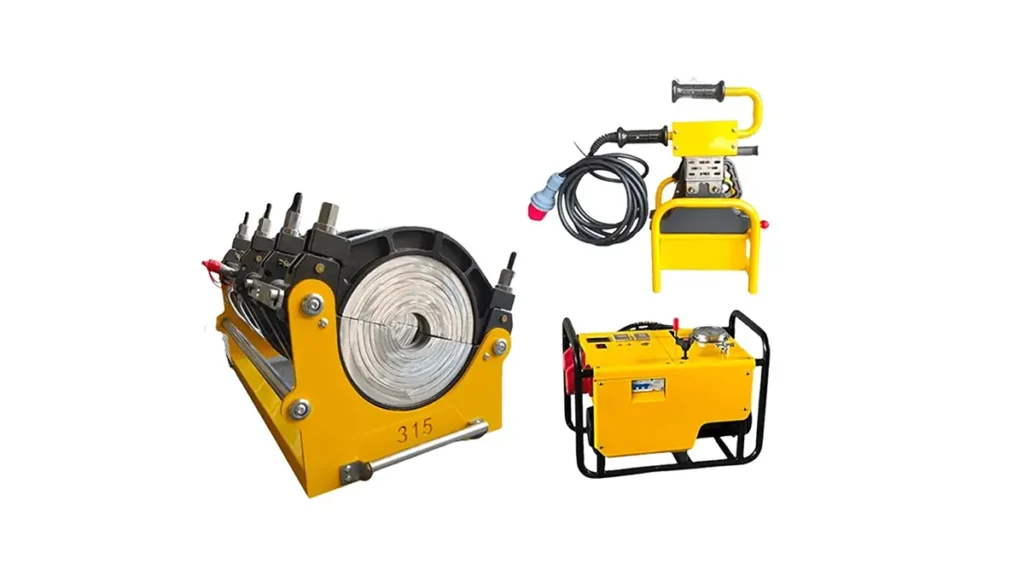
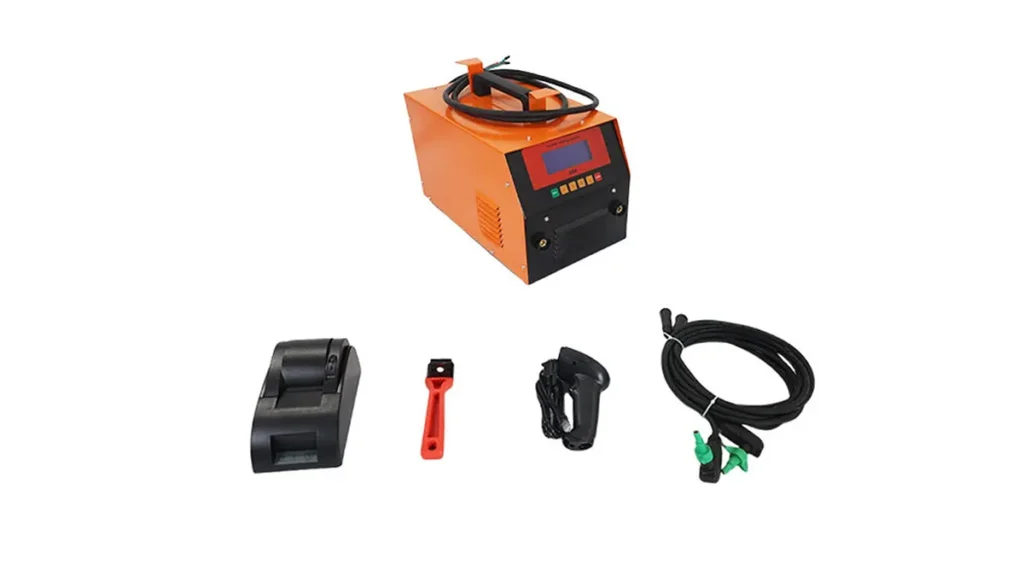
Modern automatic and hydraulic machines often feature programmable logic controllers that digitally track and enforce the correct HDPE pipe fusion time by pipe size. For large-scale infrastructure projects, using CNC automatic butt fusion welding equipment ensures that the heating and cooling sequences cannot be overridden by the operator. JQ-Fusion provides customized fusion solutions with precise temperature control to help contractors comply with these strict timelines globally. Regardless of the machine brand, regular calibration of the heater plate surface temperature is non-negotiable; a deviation of even 10°C can alter the required bead-up time.
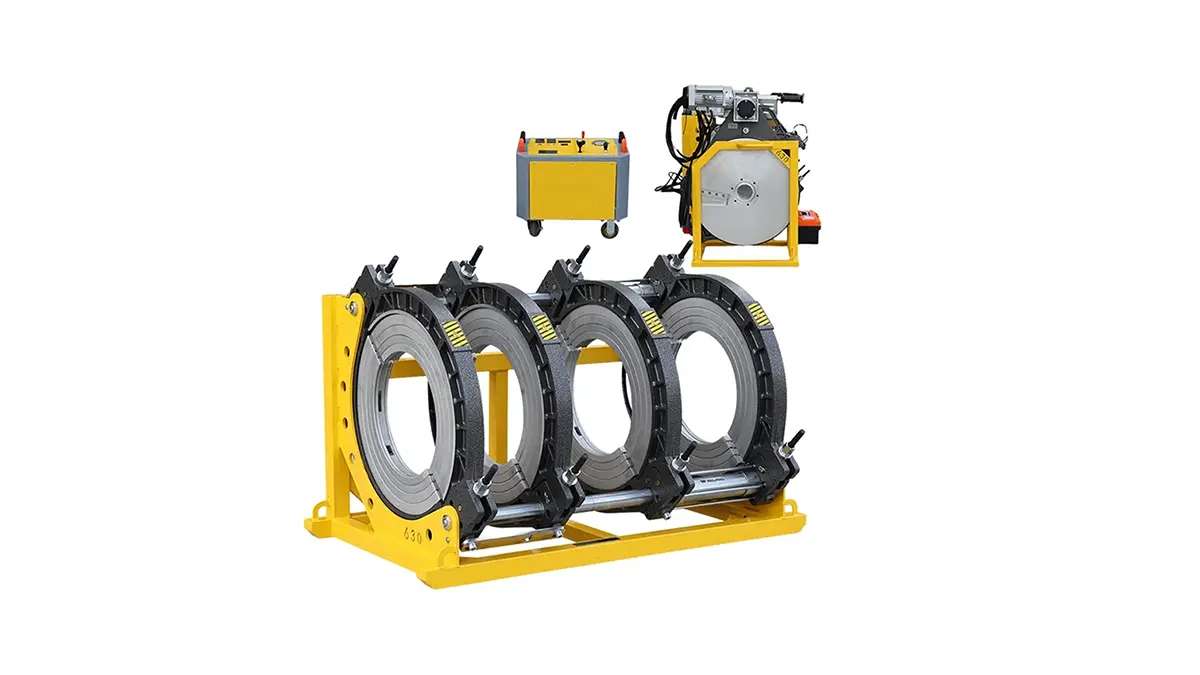
Troubleshooting Common Timing Mistakes
Even experienced operators can encounter issues if the certified HDPE pipe fusion time by pipe size parameters are ignored. Below are common pitfalls to avoid in the field:
- Gap Misreading: Over-trimming the pipe ends changes the calibration reference point. Always re-measure the drag pressure after facing to calculate interfacial force accurately.
- Ambient Wind Chill: Unshielded sites can cause uneven plate temperature. Use a welding tent for diameters above 315mm to maintain timing consistency.
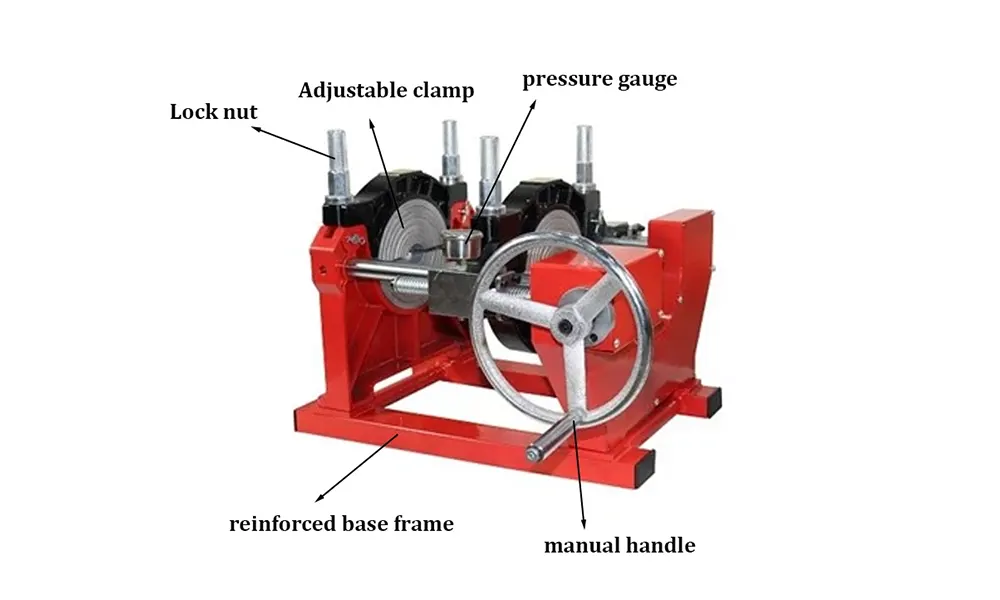
- Incomplete Cooling Release: Releasing the pressure gauge needle to zero before the full cooling cycle ends creates micro-voids. Lock the handles until the timer expires.
By integrating the correct heating bead-up footage and locking in the mandatory cool-down cycle, you guarantee a service life that exceeds 50 years for your HDPE network. Always cross-reference the wall thickness with the machine’s data plate and the pipe manufacturer’s specific submittal sheets before initiating the butt fusion sequence.