Accurate HDPE pipe fusion productivity calculation is the cornerstone of successful pipeline project management. Whether you are estimating timelines for municipal water supply, gas distribution networks, or industrial mining operations, understanding exactly how many joints your crew can complete per day directly impacts labor allocation, equipment scheduling, and overall construction costs. Without a reliable formula, contractors risk submitting inaccurate bids that erode profit margins or, conversely, lose competitive tenders due to inflated cycle times.
Modern pipe fusion is a precision engineering process governed by international standards, including ISO 21307 butt fusion procedures. These standards define specific welding phases—heating, soaking, heater plate removal, and cooling—each consuming a calculable slice of your working day. By mastering the calculation methodology detailed below, field engineers can transition from rough guesswork to data-driven planning, ensuring that your horizontal directional drilling or open-trench installations proceed without costly bottlenecks.
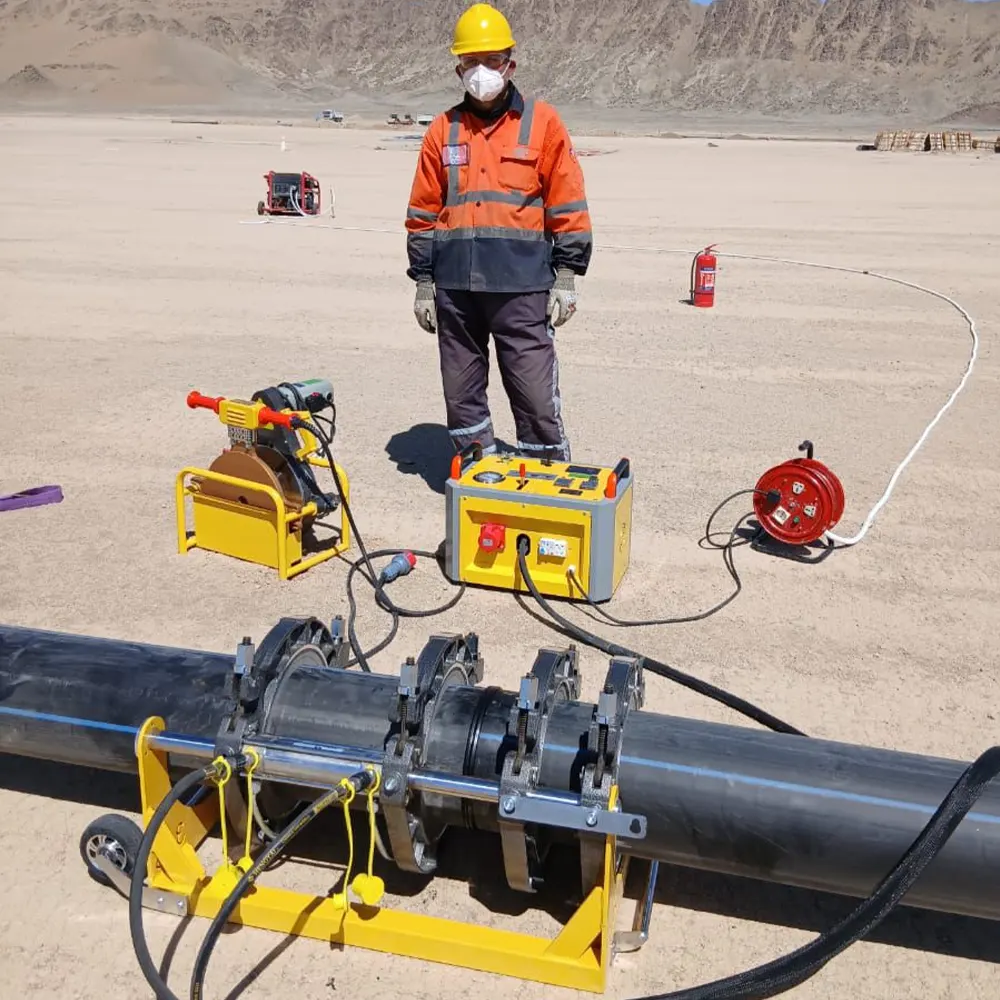
Understanding the Core Variables in Fusion Cycle Time
Before applying any mathematical model, it is critical to identify the variables that govern welding duration. The overall cycle time is not a fixed number; it fluctuates based on material specifications, wall thickness, ambient conditions, and the class of butt fusion machinery deployed. The primary drivers include the pipe diameter, the Standard Dimension Ratio (SDR), and the machine’s automation capability.
In practice, a manually operated manual butt fusion machine will have a significantly longer “heater plate removal” phase compared to a hydraulic or CNC automatic unit. Manual intervention introduces variability—a factor you must account for with a safety margin, typically ranging from 10% to 15% of the theoretical time. Furthermore, site logistics such as pipe handling and stringing influence the “effective working hours” before a single weld even begins.
The Fundamental HDPE Pipe Fusion Productivity Formula
To calculate the daily output for butt fusion operations, industry professionals commonly use the following derived formula. It converts standardized technical parameters into a practical metric of joints per shift:
Daily Joints (J) = (Available Working Time × Utilization Factor) / (Standard Cycle Time × Job Factor)
Let’s break down these components in detail. Available Working Time represents the net minutes on site, usually ranging from 420 to 540 minutes for an 8-to-10-hour shift after deducting breaks. The Utilization Factor is a critical operational efficiency metric. Under ideal conditions, you might hit 0.85 (85%), but rugged terrains or extreme heat often drop this factor to 0.60 or lower. The Standard Cycle Time is the technical welding duration dictated by the what is HDPE butt fusion standard, while the Job Factor accounts for non-welding activities like alignment and transport.
Parameters for Different Pipe Dimensions
| Pipe Diameter (mm) | SDR 11 (Typical) | Soak Time (sec) | Cooling Time (min) | Ideal Joints/Day (8h) |
|---|---|---|---|---|
| 110 | 10.0 | 70 | 6 | 55-65 |
| 250 | 22.7 | 140 | 12 | 28-32 |
| 450 | 40.9 | 230 | 20 | 14-18 |
| 800 | 72.7 | 420 | 35 | 6-8 |
| 1200 | 109.1 | 600 | 50 | 3-5 |
Impact of Fusion Methods on Productivity
The choice of welding technology is the single most influential factor in your HDPE pipe fusion productivity calculation. Different methods yield vastly different cycle times because of the varying levels of automation in the heating, clamping, and finishing stages.
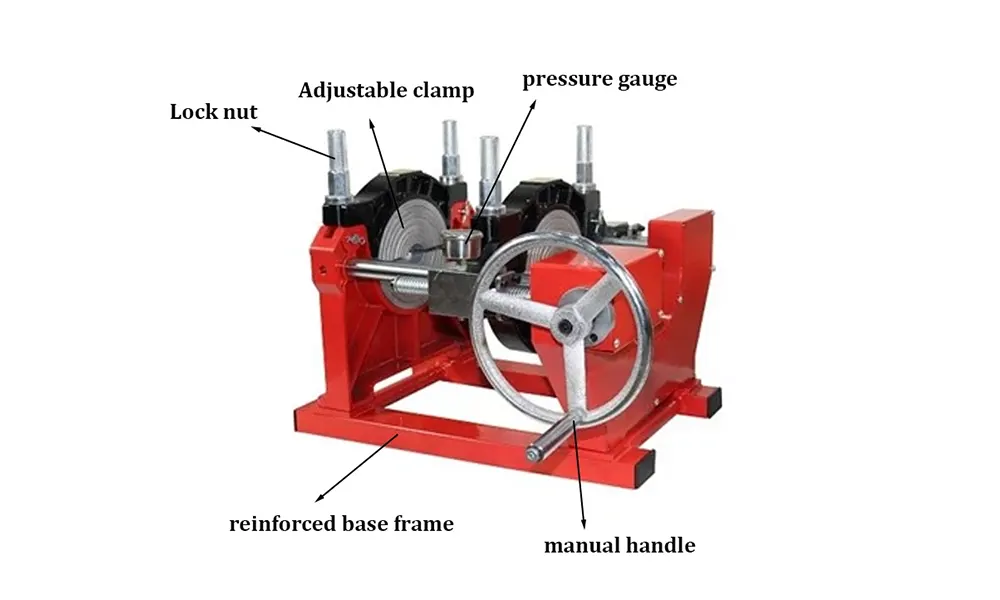
- Manual Butt Fusion: Ideal for small diameters (under 315mm). Productivity is heavily reliant on operator skill. Removing the heater plate and visual alignment consume valuable seconds. Expect the lowest job factor due to physical exertion.
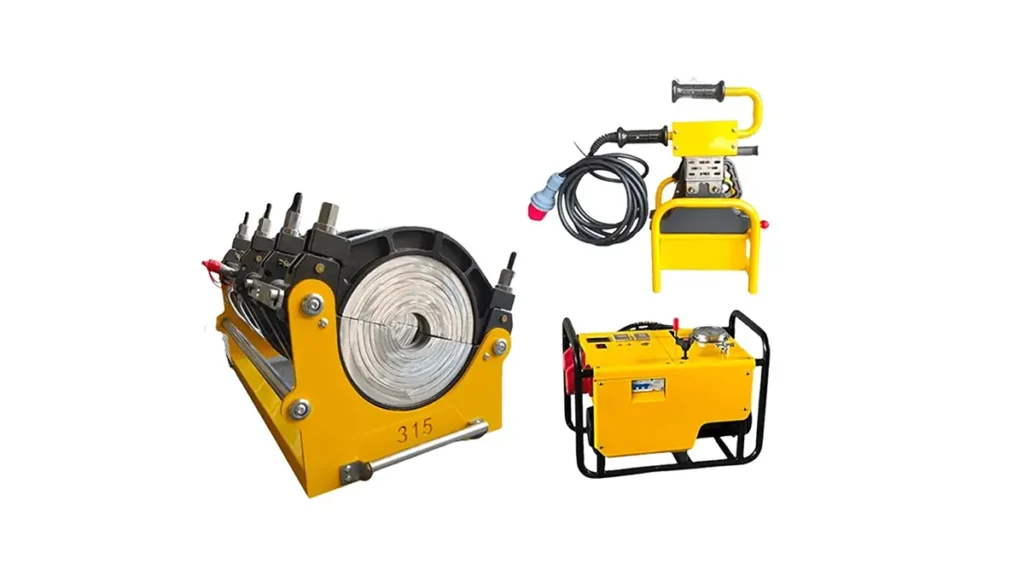
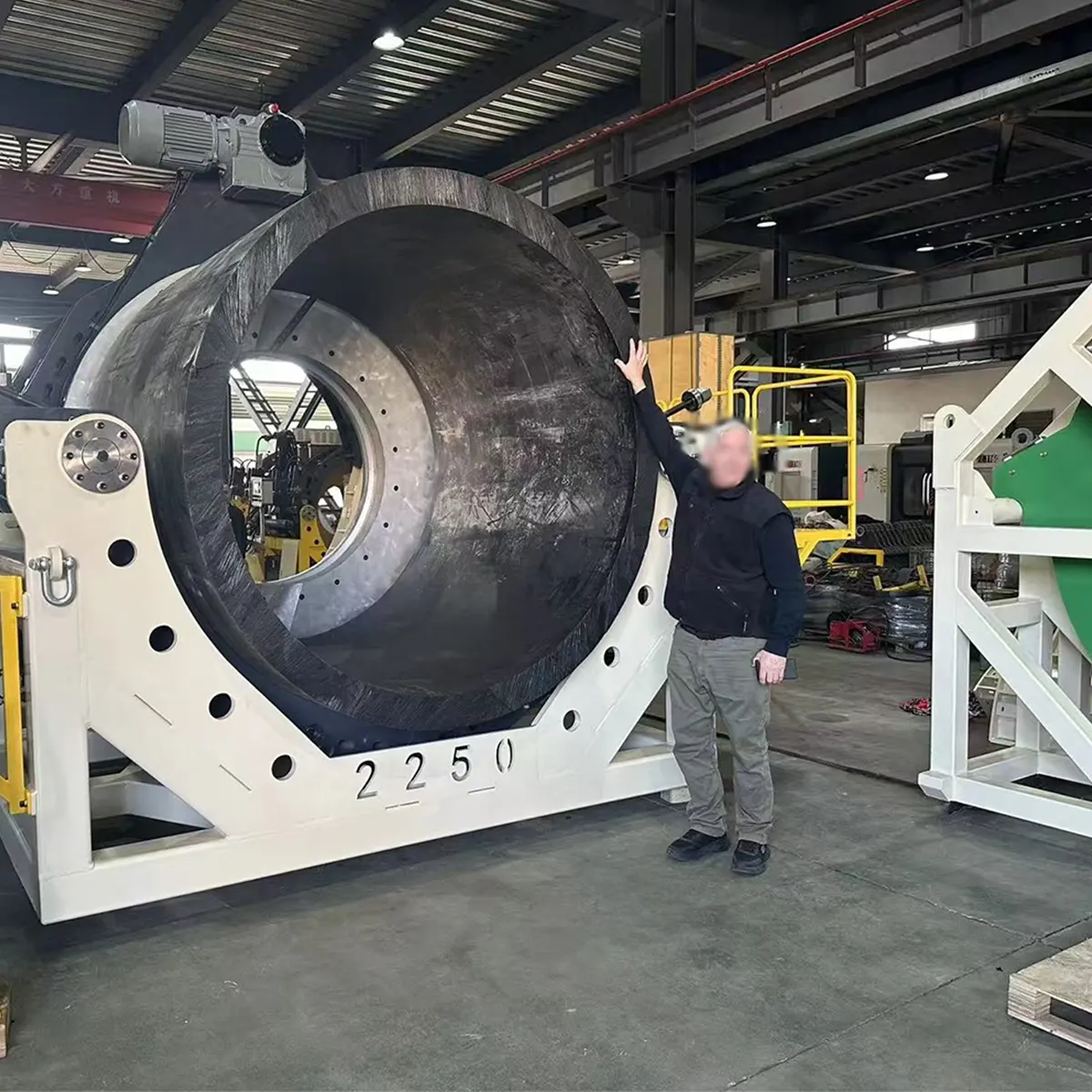
- Hydraulic Butt Fusion: Serving diameters from 200mm up to 2250mm, hydraulic systems drastically reduce clamping unclamping phases. The consistent pressure control minimizes human error, boosting the utilization factor significantly.
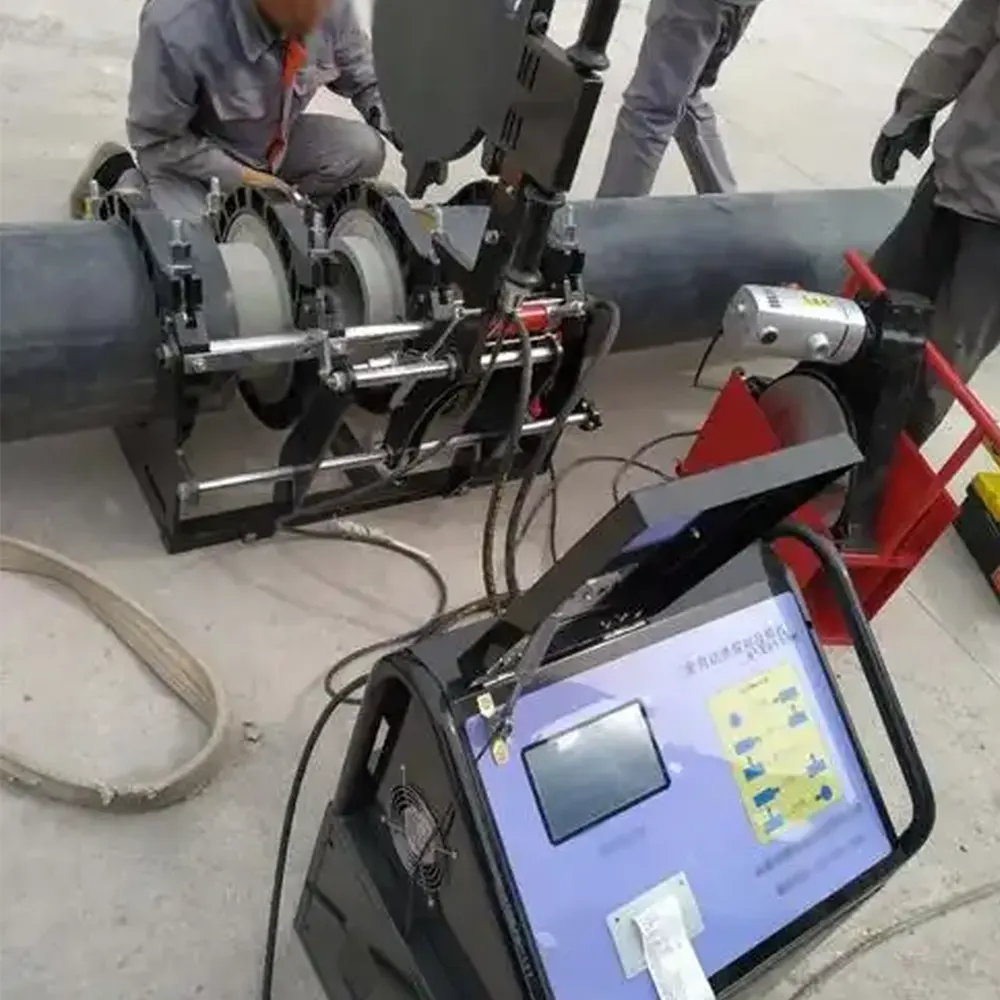
- CNC Automatic Fusion: The gold standard for large-scale infrastructure. Automated data logging eliminates manual recording downtime, and precisely timed stages ensure you hit the exact PE butt fusion equipment standard timings without delay.
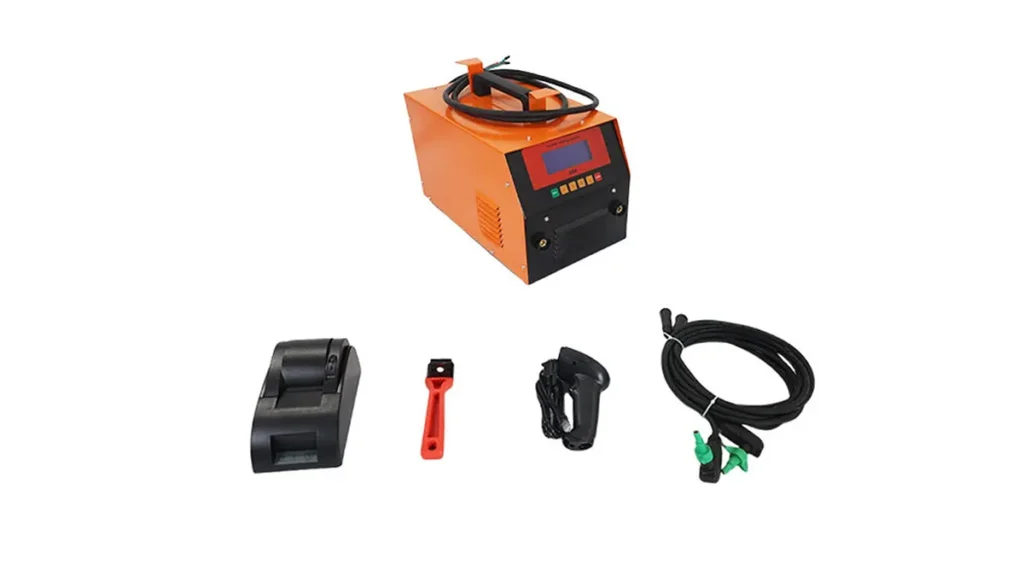
- Electrofusion: Suitable for repairs and tie-ins. While the fusion phase itself is automated, cooling times per coupler can extend up to 20 minutes, requiring a different strategic calculation focused on multi-machine parallel workflows.
Practical Step-by-Step Work Cycle Decomposition
To avoid overestimating output, every estimator must dissect the process into non-welding and welding tasks. A comprehensive cycle breakdown for a hydraulic unit welding a 500mm SDR17 pipe reveals where time is truly spent:
Non-Fusion Ancillary Tasks
1. Pipe Handling & Slinging
2. Insertion into Clamps
3. Initial Stub Alignment
4. Facing (Trimming)
Direct Fusion Tasks
1. Drag Pressure Check
2. Heating/Soaking Phase (strictly follows PPI technical guidance)
3. Heater Removal & Jointing
4. Cooling Under Pressure (critical; often the longest phase)
Post-Fusion and Buffer
1. Pressure Release & Inspection
2. Machine Move-Up (Stringing)
By summing these step durations and dividing the available minutes, you reveal the true productive capability. For instance, a 500mm joint with a 14-minute cooling phase and a 4-minute heater removal and trimming cycle might consume a total 25 minutes per joint, yielding roughly 16 joints in a net 400-minute workday.
Optimizing Production Rates Through Equipment Selection
Boosting productivity hinges on minimizing the “heater plate removal time” and ensuring parallel workflows. Using CNC automatic butt fusion machines with active cooling capabilities or dual-heating plates can compress cycle times by up to 20%. High-rigidity aluminum clamps, often found in premium hydraulic butt fusion machines, reduce the holding time required before the pressure is safely released.
JQ-Fusion manufactures a comprehensive range of butt fusion welding machines engineered to help contractors maximize these calculation metrics. With a strong emphasis on clamp alignment accuracy and stable digital heating controls, the equipment ensures that your on-site cycle times align as closely as possible with theoretical optimal standards, thereby protecting the integrity of your project schedule and budget.
Case Calculation: From Theory to Daily Output
Let’s run a practical scenario. A contractor must weld 450 meters of SDR11 OD355mm HDPE pipe for a mining tailings line. The pipe lengths are 12 meters each, requiring 37 joints. The crew operates a CNC automatic machine with a known cycle time of 14 minutes (including 8 minutes cooling).
Step 1: Theoretical Daily Rate
Available minutes = 480. Utilization factor (CNC) = 0.90. Effective minutes = 432.
Joints = 432 / 14 ≈ 30.8 joints.
Step 2: Applying Job Factor
In mining terrains, pipe movement adds a 1.15 job factor.
Adjusted Joints = 30.8 / 1.15 ≈ 26 joints per day.
Step 3: Schedule Validation
With 37 required joints, the welding phase requires approximately 1.4 days. This data-driven approach confirms the project can easily meet a two-day welding window, leaving room for pressure testing. Without this rigorous HDPE pipe fusion productivity calculation, the team might have assumed a full standard week, losing the tender to a more analytically equipped competitor.
Key Variables Influencing Long-Term Production Averages
It is a mistake to calculate productivity based solely on the machine’s technical specification sheet. Long-term averages invariably degrade due to the following site-specific variables, each demanding a corrective multiplier in your estimate:
- Ambient Temperature: Welding in sub-zero conditions may require heating tents and extended soak times, reducing daily output by as much as 25%.
- Wind Shields: Failure to use wind shields increases heating plate recovery time, a common oversight in open-trench water projects.
- Generator Stability: Voltage drops can cause heater plate temperature deviations, triggering safety holds on advanced CNC machines.
- Crew Skill Level: Certified operators following heat fusion operator qualification standards perform facing and alignment significantly faster, directly lowering the job factor.
Conclusion
Mastering the HDPE pipe fusion productivity calculation transforms your bidding and logistics from reactive guesses into a precise engineering discipline. By focusing on the interplay between standard cycle times, equipment automation level, and real-world site factors, project managers can optimize resource allocation and prevent costly schedule overruns. Whether deploying a small manual welder for a lateral connection or orchestrating a fleet of large-diameter hydraulic rigs for a power station cooling loop, the rigor of your calculation ultimately defines the profitability of your pipeline construction venture.