
Investing in the right HDPE pipe fusion machine supplier is essential for achieving strong, leak-free joints and efficient project delivery. This guide explains the main machine types, key selection factors, technical highlights, and maintenance tips to help contractors, utility operators, and procurement teams choose equipment that delivers reliable performance across water, gas, mining, and industrial pipeline systems.
Why supplier reliability matters
Reliable suppliers deliver consistent product quality, clear technical support, and timely parts availability. A trusted partner ensures machines meet industry standards for pressure-rated joints, provide accurate process controls, and reduce on-site downtime through responsive after-sales service.
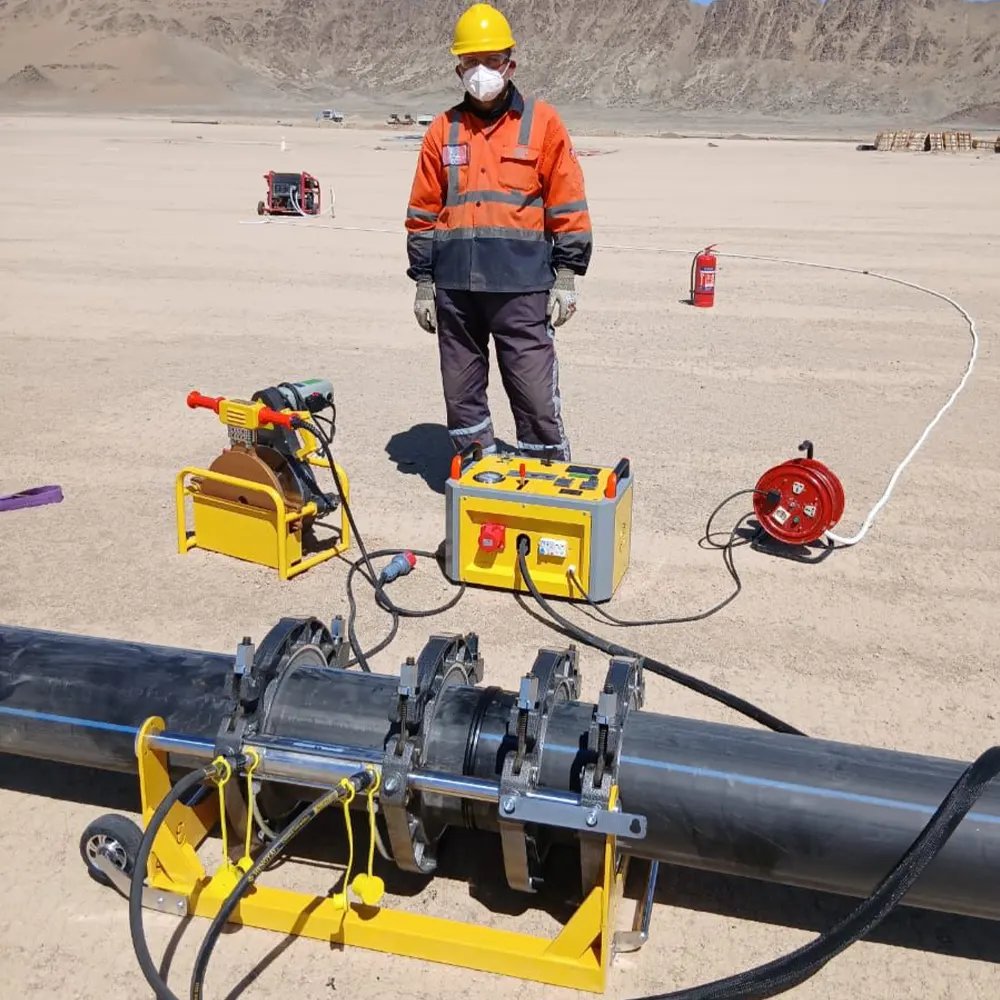
Core machine types and where they excel
Manual Butt Fusion — Simple, portable rigs ideal for small-diameter pipes and remote sites where mobility and low cost are priorities.
Hydraulic Butt Fusion — Engineered for medium to large diameters, offering controlled pressure application and higher repeatability for pipeline installers.
Automatic / CNC Butt Fusion — Computer-controlled units that deliver precise heating and fusion parameters, perfect for high-volume production and critical infrastructure.
Electrofusion Units — Best for fittings, repairs, and confined spaces; these provide localized heating with reliable, traceable joint records.
Primary benefits of modern HDPE fusion equipment
Consistent joint quality: Automated pressure and temperature control reduce human error and improve long-term pipeline integrity.
Increased productivity: Faster cycle times and modular designs allow crews to weld more joints per shift.
Wide compatibility: Machines cover ranges from small distribution pipes to large-diameter mains and industrial conduits.
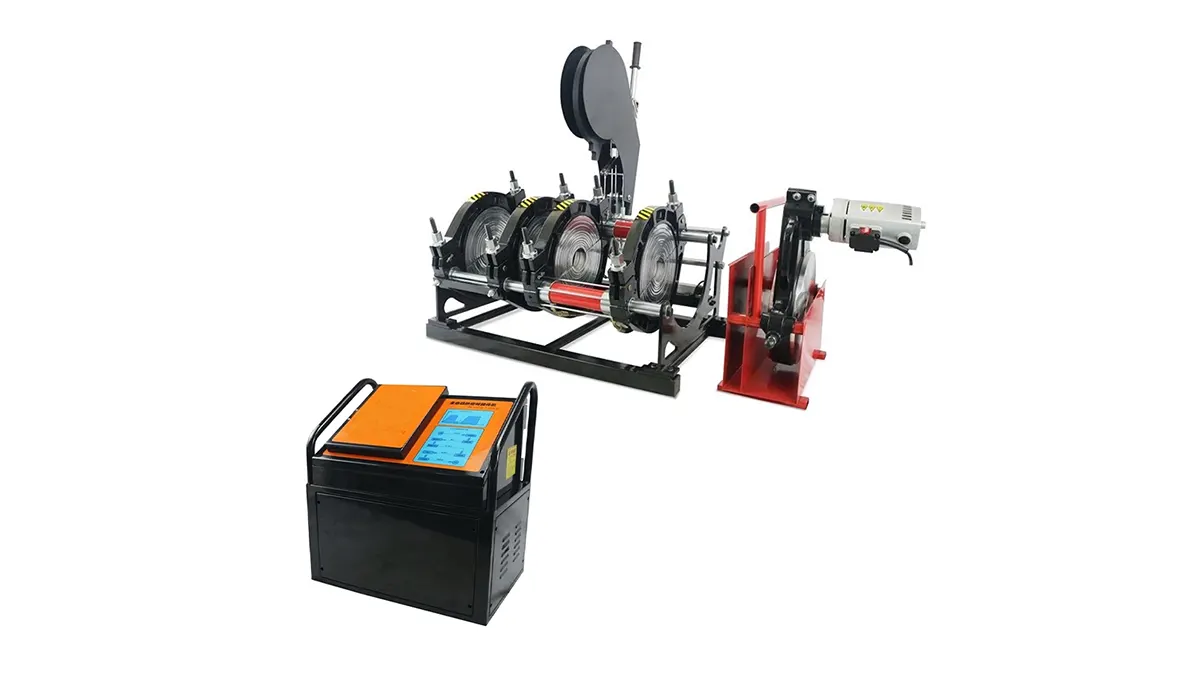
Technical snapshot — compare by capability
|
Machine Type |
Pipe Diameter Range |
Control |
Typical Applications |
|---|---|---|---|
|
Manual Butt Fusion |
20 mm – 315 mm |
Operator-controlled |
Small repairs, rural installations |
|
Hydraulic Butt Fusion |
63 mm – 1600 mm+ |
Manual to semi-automatic |
Municipal mains, industrial lines |
|
Automatic / CNC |
90 mm – 2250 mm |
Programmable control, data logging |
Large-diameter pipelines, factory assembly |
How to choose the right machine for your project
Assess pipe diameter range, daily joint targets, site conditions, and staff skill levels. For high-throughput or safety-critical networks, prefer automatic units with data logging. For remote or budget-limited projects, manual or compact hydraulic units are often the best fit.
Maintenance, spare parts, and operator training
Routine checks on heaters, clamps, and hydraulic systems extend machine life. Keep a small inventory of consumables (heating plates, cartridges, seals) and schedule operator training to ensure correct fusion parameters are applied every time.
Quality assurance and on-site support
Look for suppliers that provide calibration, traceable process controls, and clear welding procedures. Timely technical support and spare parts logistics are critical to minimizing delays on long pipeline projects.
For trusted butt fusion solutions and expert equipment support, contact JQ-Fusion: https://jq-fusionwelding.com/



