
Kenya’s infrastructure and construction sectors are expanding rapidly, driven by urban growth, rural electrification, new water projects and large-scale industrial developments. High-density polyethylene (HDPE) pipelines are a preferred choice across these projects because they deliver long-term durability, corrosion resistance, and flexible installation options. Choosing the right HDPE pipe fusion machine is essential for reliable welds, fast project delivery and compliance with local standards.
Why HDPE Butt Fusion Is the Preferred Method in Kenya
Butt fusion welding creates homogeneous, leak-free joints that match or exceed the strength of the pipe itself. For Kenyan contractors working on water supply networks, irrigation systems, gas distribution and mining pipelines, butt fusion provides:
– Improved joint integrity in hot and humid climates
– Resistance to soil chemicals and corrosion common in coastal and inland regions
– Flexible onsite assembly that reduces the need for specialized fittings
Machine Types and What Works Best for Kenyan Projects
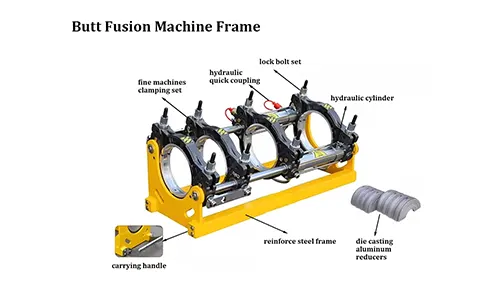
Different job scales require different fusion equipment. Mobile roadworks and small community water schemes often use manual and lightweight hydraulic fusion machines. Urban utility contractors, municipal teams and large pipeline contractors lean toward hydraulic or CNC automatic units for speed, repeatability and electronic record keeping.
Key Local Considerations
Terrain and access: Many rural project sites in Kenya are remote with rough roads; portability and simple maintenance are advantages. Climate: UV exposure and seasonal rains make equipment with reliable sealing and corrosion-resistant components important. Standards and training: Operators must follow recognized welding procedures for pressure pipelines to ensure safety and regulatory compliance.
Selecting a Fusion Machine: What to Prioritize
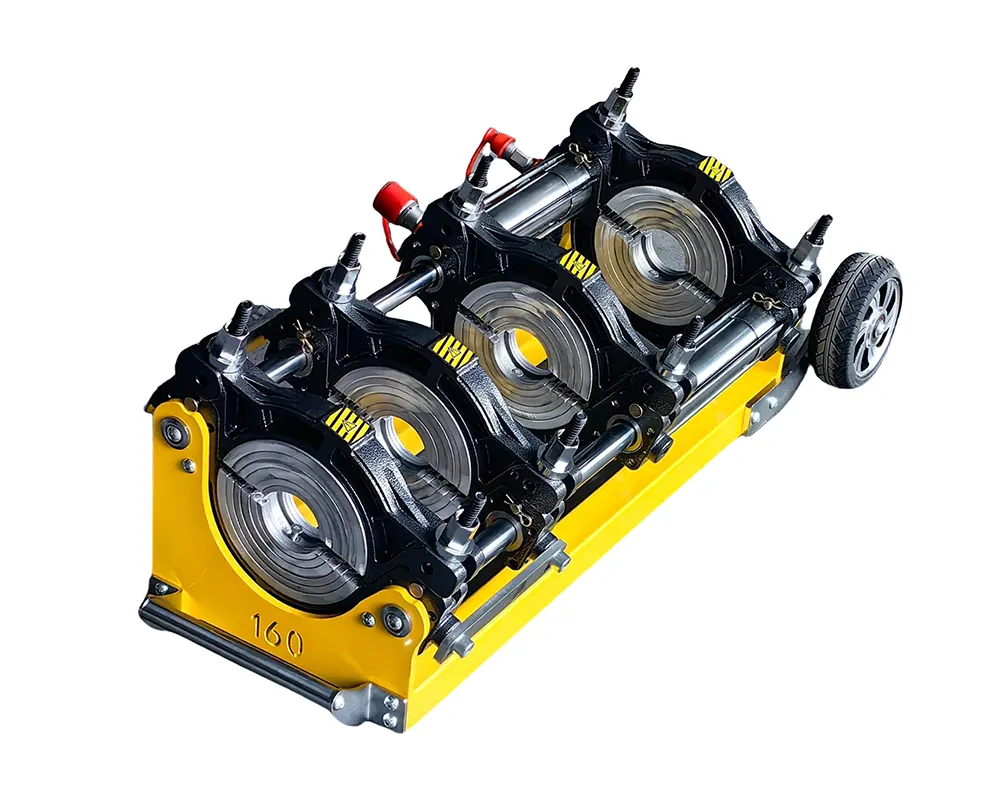
When sourcing HDPE fusion machines for projects in Nairobi, Mombasa, Nakuru or remote counties, consider:
- Pipe diameter range — ensure the machine covers the most common sizes used in your projects.
- Automation level — semi-automatic and fully automatic units improve consistency for longer production runs.
- Serviceability and spare parts — local availability or fast shipping options reduce downtime.
- Training and technical support — on-site or remote instruction accelerates safe adoption by local crews.
Comparison at a Glance
| Model Type | Pipe Range | Automation | Best For |
|---|---|---|---|
| Manual Butt Fusion | 20mm – 315mm | Manual | Fieldwork, repairs, rural installations |
| Hydraulic Butt Fusion | 90mm – 1600mm | Hydraulic/Semi-auto | Municipal projects, long pipelines |
| CNC Automatic Fusion | 160mm – 2250mm+ | Fully automatic | Large-diameter trunk lines, industrial sites |
| Electrofusion Machines | 20mm – 630mm (fittings) | Electronic control | Gas distribution, repair works, controlled joints |
Procurement and After-Sales Tips for Kenyan Buyers
Buyers should request documented welding procedures, machine calibration certificates and clear advice on spare parts. It’s advisable to choose suppliers who offer operator training and responsive support to reduce project delays. For projects funded by county or national agencies, ensure machines meet procurement and quality standards required by public works contracts.
Where to Source Reliable Equipment
For international-standard HDPE fusion equipment that supports a wide range of pipe diameters and project types, consider manufacturers with proven global delivery records. JQ-Fusion (https://jq-fusionwelding.com/) offers manual, hydraulic and CNC automatic butt fusion machines suited to Kenya’s diverse pipeline needs, and provides options from small portable units to large-diameter systems.
Final Considerations for Kenyan Projects
Investing in the right fusion machine improves safety, reduces leakage risks and extends the lifespan of pipeline assets. Whether you are a contractor working on urban water mains in Nairobi, a utility team upgrading distribution networks in Mombasa, or an agricultural cooperative installing irrigation lines in the Rift Valley, selecting equipment that matches your operational needs will deliver measurable benefits in project speed and reliability.



