
Why the Right HDPE Pipe Fusion Machine Matters
Choosing the correct HDPE pipe fusion machine is the difference between a long-lasting, leak-free joint and costly repairs. Whether you’re working on municipal water mains, gas distribution, mining pipelines, or agricultural irrigation, the right equipment ensures consistent heat, pressure and alignment for strong, reliable joints.
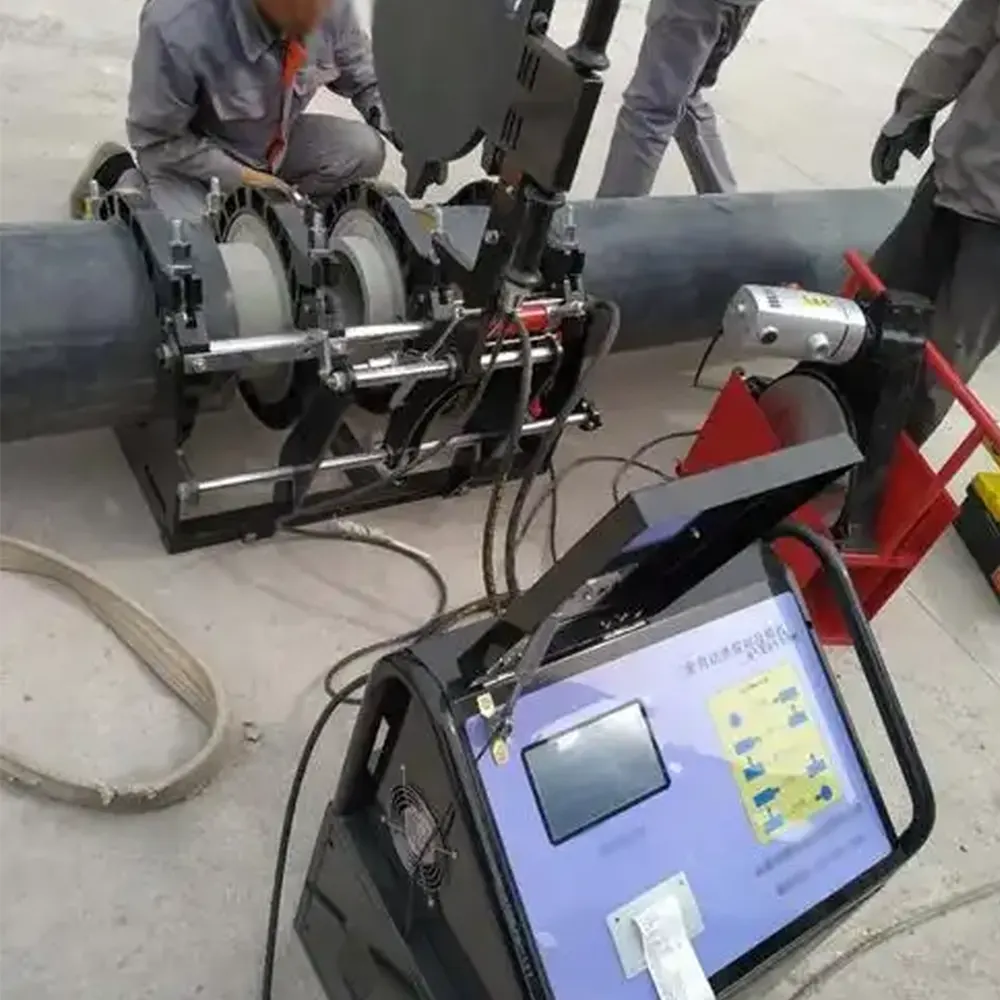
Main Types of HDPE Fusion Machines
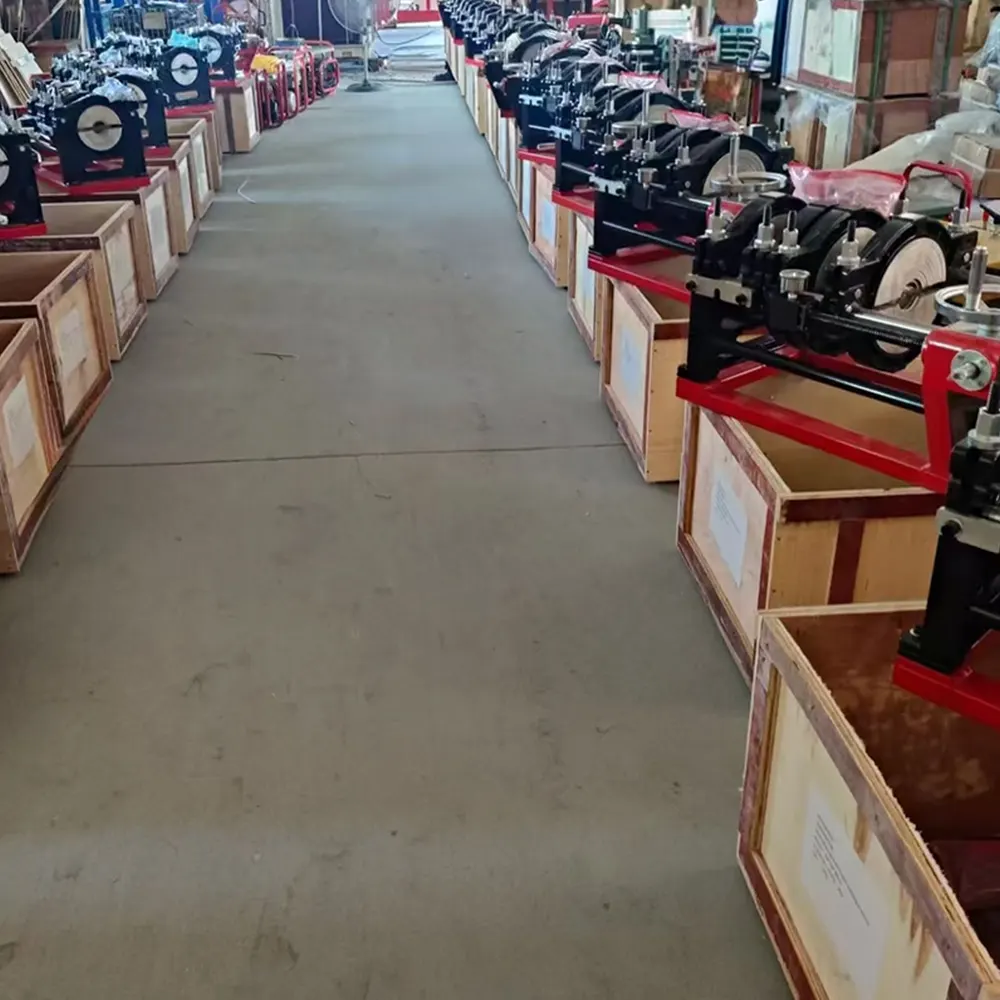
Manual: Compact and cost-effective for small-diameter pipes and site repairs. Best for teams with fusion experience.
Hydraulic: Delivers consistent pressure for medium to large diameters. Ideal for contractors handling frequent fieldwork.
Automatic / CNC: Precise, programmable cycles for large projects and repeatable quality. Use when traceable welding records and high throughput are required.
Which Type Suits Your Project?
Match the machine to job scale: manual for occasional repairs, hydraulic for general contractor use, and automatic for pipeline networks or factory prefabrication. Consider site power availability, transportability, and operator skill.
Key Features to Compare
Focus on features that directly affect joint quality and operator efficiency:
Heating Plate Quality
Uniform heating plates with non-stick coatings reduce cold spots and surface contamination. Replaceable plates speed maintenance.
Alignment & Clamping System
Rigid clamp frames and accurate alignment reduce mismatch and ensure even fusion pressure across the joint. Look for adjustable clamps and hardened jaws for long life.
Pressure Control & Monitoring
Stable pressure systems (mechanical or hydraulic) with clear gauges or digital readouts are essential to avoid under- or over-fusion. For automated machines, choose units with logged pressure/time/temperature records.
Portability & Build
Consider weight, transport cases, and how quickly the machine can be set up in the field. Corrosion-resistant finishes and robust frames extend the machine lifecycle.
Material & Pipe Size Compatibility
Check machine clamping range, heating plate size, and available adapters. For multi-diameter projects, opt for machines with modular clamps or accessory kits. Ensure the machine supports the SDR (Standard Dimension Ratio) of your HDPE pipes.
Compliance, Traceability & Safety
Choose machines that support industry standards and provide weld traceability if required by local regulations or clients. Safety features like pressure relief valves, guards, and emergency stops reduce site risks.
Cost vs. Long-Term Value
Initial price is only part of the story. Consider consumable costs (heating plates, cutters), spare parts availability, warranty, and training. A slightly higher upfront investment in automation or durability often reduces rework and downtime, delivering better ROI.
Quick Comparison Table
| Feature | Manual | Hydraulic | Automatic |
|---|---|---|---|
| Best for | Small repairs | Medium/large jobs | High-volume, critical projects |
| Precision | Good | Better | Best |
| Portability | High | Medium | Low |
| Traceability | Limited | Available | Full logging |
Operator Training & Maintenance
Even the best machine requires trained operators. Invest in certified fusion training and follow regular maintenance schedules for clamps, heaters, and hydraulic systems. Keep logbooks for calibration and repairs to protect your warranty and ensure consistent weld quality.
Final Checklist Before Buying
– Confirm pipe diameter and SDR coverage.
– Verify heating plate dimensions and replacement parts.
– Check pressure control and monitoring features.
– Ask about warranty, spare parts lead time, and on-site service.
– Ensure training and documentation are available.
Ready to Choose?
If you need reliable machines and expert support, JQ-Fusion manufactures a full range of manual, hydraulic and automatic butt fusion machines tailored to infrastructure projects worldwide.



