
Ecuador’s growing investments in water distribution, irrigation, and energy infrastructure demand dependable HDPE pipe fusion solutions that perform across coastal plains, Andean highlands, and Amazon basin projects. This guide highlights reliable fusion equipment, practical selection tips for local contractors and municipal engineers, and practical logistics for importing welded-pipe machinery into Ecuador.
Why HDPE Pipe Fusion Machines Matter for Ecuador
Durability and leak-free joints are essential in Ecuador’s diverse climates — from heavy coastal rainfall to UV exposure in highland sun. Proper butt fusion and electrofusion techniques ensure long-lasting pipelines for potable water, agricultural irrigation, gas distribution, and mining operations. Choosing the right fusion machine reduces downtime, lowers maintenance costs, and supports compliance with local utility standards.

Common Machine Types and Local Use Cases
Manual Butt Fusion machines are ideal for small contractors and remote jobs where portability and low-cost operation matter. They are commonly used in rural water supply and micro-irrigation projects.
Hydraulic Butt Fusion machines offer consistent pressure control for medium to large-diameter pipelines used by municipal utilities and industrial sites in cities like Quito and Guayaquil.
Automatic/CNC Butt Fusion units improve welding precision for long-distance trunk mains and high-spec industrial pipelines, minimizing human error on large-scale projects.
Electrofusion machines are essential for fittings, repairs, and locations where access is limited or fusion of complex joints is required — common in urban distribution and gas networks.
Choosing the Right Supplier: What Ecuadorian Teams Should Look For
Local contractors and procurement teams should evaluate suppliers based on machine reliability, parts availability, user training, and export experience to Latin America. Consider machines that deliver repeatable heating cycles, clear control panels, and spare parts that can be shipped quickly to Ecuadorian ports.
Popular Models & Quick Comparison
| Model | Pipe Range (mm) | Operation | Best For |
|---|---|---|---|
| Manual Butt Fusion | 20 – 315 | Manual | Rural water, small repairs |
| Hydraulic Butt Fusion | 63 – 2250 | Hydraulic | Municipal mains, industrial lines |
| Automatic/CNC Butt Fusion | 160 – 1250+ | Automatic | Large-diameter trunk mains |
| Electrofusion Machine | Fittings up to 630mm | Electric | Gas distribution, repair works |
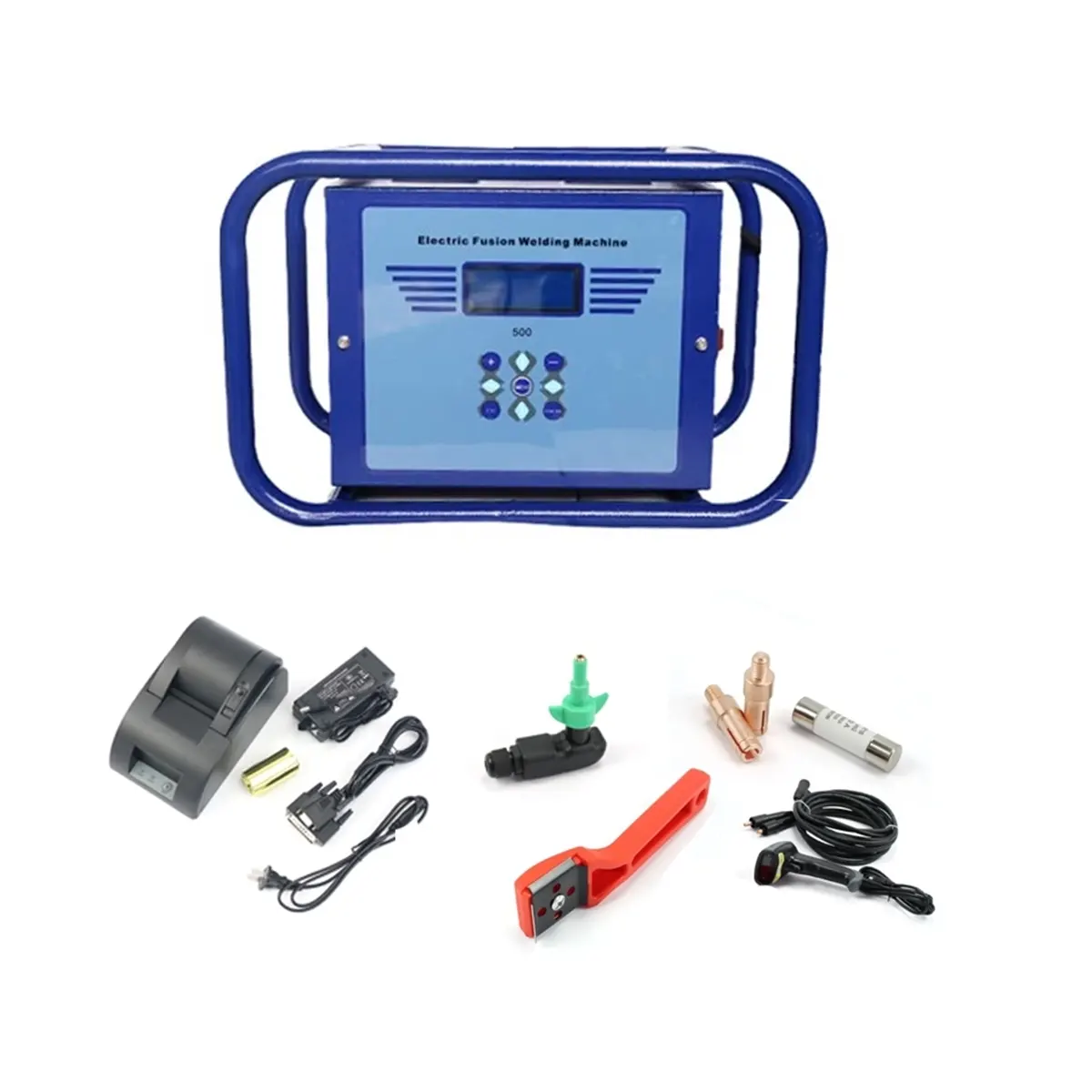
Installation, Training and After-Sales in Ecuador
Ecuadorian contractors benefit from supplier-led on-site training and certification for operators and quality inspectors. Prioritize vendors that offer clear welding procedure documentation, repair kits, and remote technical support. Reliable after-sales service reduces downtime on projects from coastal sewer upgrades to highland potable water systems.
Standards, Safety and Quality Control
Ensure machines and welding procedures comply with international standards (ISO, ASTM) and local regulations for potable water and gas installations. Use qualified weld records and destructive/non-destructive testing where required. Adopting standardized fusion parameters protects pipelines from failure in seismic regions and variable terrain.
Ordering, Shipping and Local Logistics
When importing fusion equipment into Ecuador, consider port options (Guayaquil, Esmeraldas), customs clearance, and inland transport to project sites. Factor in spare parts, power compatibility, and training scheduling. A supplier experienced with Latin American shipments simplifies lead times and reduces unexpected costs.
For dependable butt fusion and electrofusion equipment from an experienced manufacturer, contact JQ-Fusion (https://jq-fusionwelding.com/) to discuss model selection, customization, and shipping options tailored to Ecuadorian projects.
Equip your team with the right fusion machine to deliver safer, longer-lasting pipelines across Ecuador’s diverse regions.


