
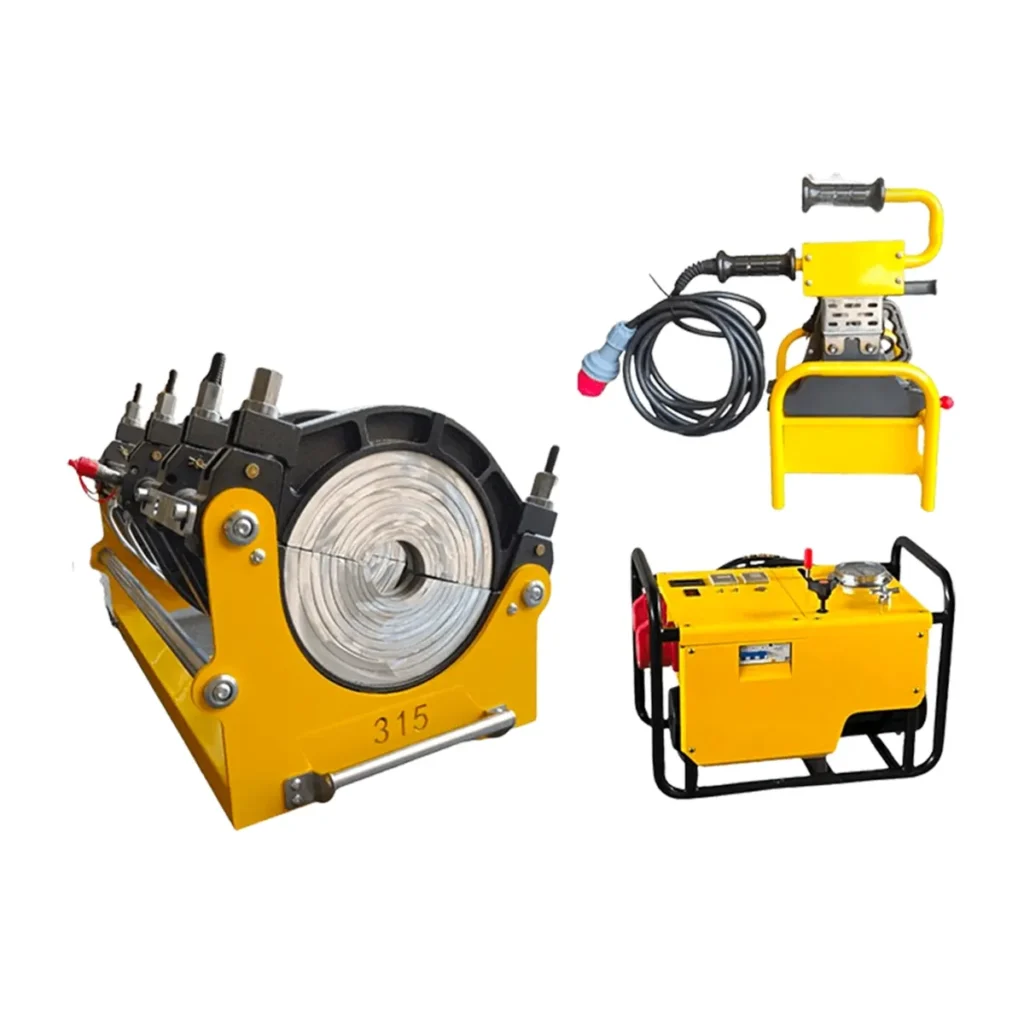
Malaysia’s expanding infrastructure and utility projects demand reliable pipe-joining solutions for water, gas, and industrial networks. Selecting the right HDPE jointing machine supplier in Malaysia ensures on-time deliveries, local technical support, and equipment tuned for tropical conditions. This guide helps contractors, utilities, and pipeline installers compare options, evaluate features, and choose machines that deliver consistent butt fusion and electrofusion results.
Why Choose a Local HDPE Jointing Machine Supplier in Malaysia
Local presence reduces lead times, simplifies spare parts logistics, and helps ensure rapid troubleshooting during rainy-season projects. Malaysia’s construction and palm-oil sectors often work in remote sites; a supplier with local partners or regional service networks improves uptime. Look for vendors familiar with Malaysian project specifications and field conditions such as high humidity, coastal corrosion risk, and variable site access.
Common Applications in Malaysia
Municipal water distribution: reliable butt fusion for potable networks.
Gas distribution & utilities: consistent welding quality for safety-critical pipelines.
Agriculture and plantation irrigation: lightweight, durable HDPE systems for large-area coverage.
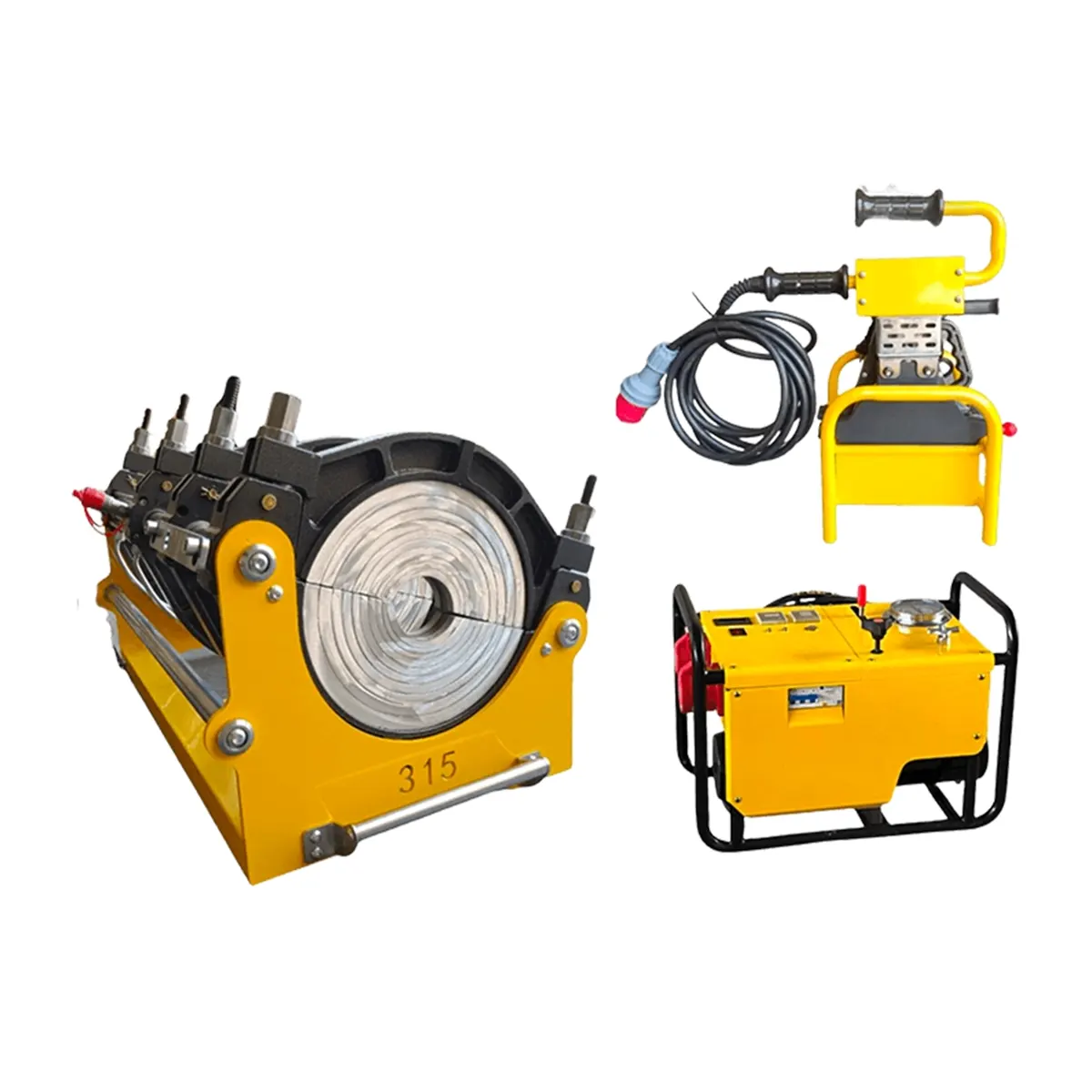
Types of HDPE Jointing Machines (What Malaysian Buyers Consider)
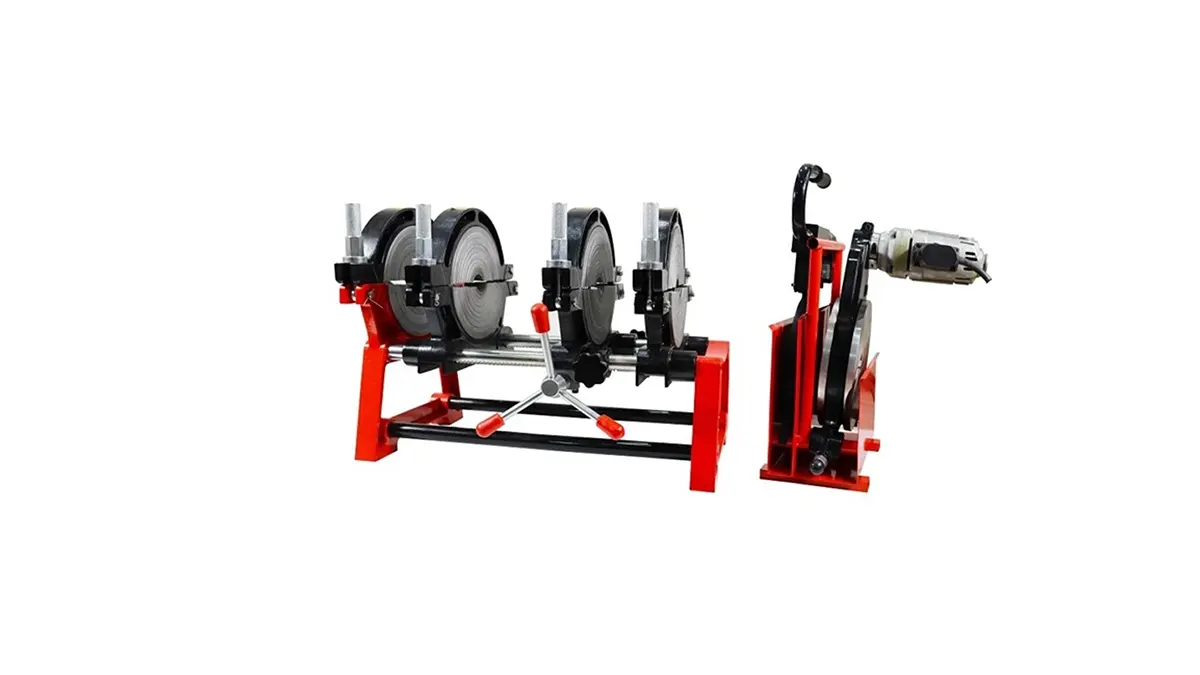
Manual Butt Fusion Machines: Simple, portable, and cost-effective for small-diameter jobs and occasional repairs. Good for remote plantation or rural waterworks.
Hydraulic Butt Fusion Machines: Higher clamping force and better for medium to large diameters; preferred for utility contractors handling continuous pipeline runs.
CNC / Automatic Butt Fusion Machines: Precision controls, repeatable welds, and ideal for large-diameter municipal or industrial pipelines where quality documentation is required.
Electrofusion Machines: Used where fittings must be joined with electrofusion couplers; common for service connections and repairs in confined spaces.
Multi-angle & Fitting Machines: Specialized for complex fittings and prefabrication workshops to speed up site assembly.
Key Features to Look For
Stable clamping and alignment to reduce cold welds and ensure concentricity.
Quality heating plates and temperature control for consistent melt layers.
Portable yet robust frames for tropical fieldwork, resistant to humidity and dust.
Serviceability and spare parts availability—critical for minimizing downtime during rainy seasons or long projects.
Quick Comparison
| Machine Type | Pipe Range | Best For | Lead Time (typical) |
|---|---|---|---|
| Manual Butt Fusion | 20–315 mm | Small repairs, rural sites | Short |
| Hydraulic Butt Fusion | 63–1250 mm | Contractors, municipal mains | Medium |
| Automatic / CNC Butt Fusion | 160–2250 mm | Large pipelines, prefabrication | Medium–Long |
| Electrofusion | 20–1600 mm (fitting dependent) | Service taps, repairs | Short |
Maintenance, Training & Local Support
Choose suppliers that provide operator training tailored to Malaysian site teams and offer preventive maintenance plans. Regular calibration of heating plates and hydraulic systems safeguards weld integrity and extends machine life under humid tropical conditions.
Standards and Compliance in Malaysia
Ensure machines meet relevant international standards (ISO/EN) and can support documentation required by Malaysian project owners. Verify compatibility with local pipeline specifications and any client-mandated quality assurance protocols.
How to Evaluate a Supplier
Check references on recent Malaysian projects, request sample weld records, and confirm spare parts lead times. For international manufacturers, confirm they have regional service partners or distributor networks that can respond quickly to on-site issues.
For machine inquiries and official product details, visit JQ-Fusion.
Short FAQ
Q: Which machine is best for rural irrigation lines?
A: Manual or compact hydraulic butt fusion machines combine portability with reliable weld quality for irrigation projects.
Q: How important is operator training?
A: Very—operator skill affects joint quality, efficiency, and safety. Choose suppliers offering hands-on training and clear weld procedures.
Picking the right HDPE jointing machine supplier in Malaysia balances product performance, local support, and proven field results. Prioritize suppliers that offer responsive service, clear documentation, and machines designed for tropical site conditions to reduce project risk and improve long-term pipeline reliability.



