
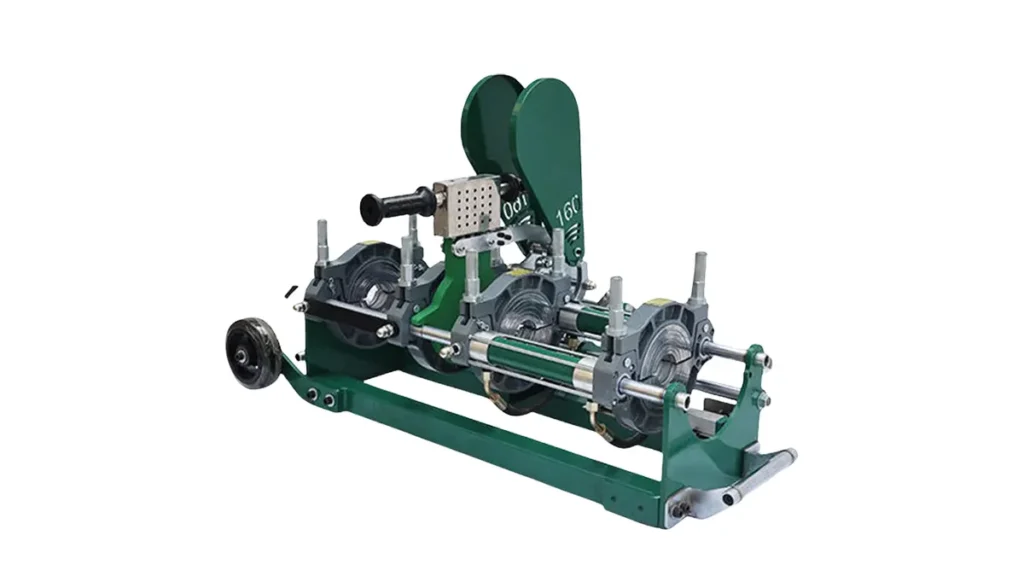
Russia’s infrastructure projects demand robust, cold-resistant solutions for joining HDPE pipelines. From municipal water networks in Siberia to gas distribution and mining operations across the Ural region, reliable butt fusion equipment ensures long-lasting joints and lower maintenance costs. This guide highlights practical welding solutions, machine choices, and operational tips tailored to Russian conditions.
Why Choose the Right HDPE Jointing Machine for Russia
Durability in low temperatures, consistent weld quality in remote sites, and compatibility with a wide range of pipe diameters are critical factors for engineers and contractors operating in Russia. Machines that perform well outdoors, resist condensation, and maintain heating plate performance under freezing conditions reduce rework and downtime.
Key Considerations for Russian Projects
Look for equipment with reliable hydraulic systems, accurate temperature control, and easy transport for long-distance job sites. For gas distribution and municipal works, machines that support certified welding procedures and traceable weld records are highly valued by local regulators and asset owners.
Types of HDPE Jointing Machines and Their Uses
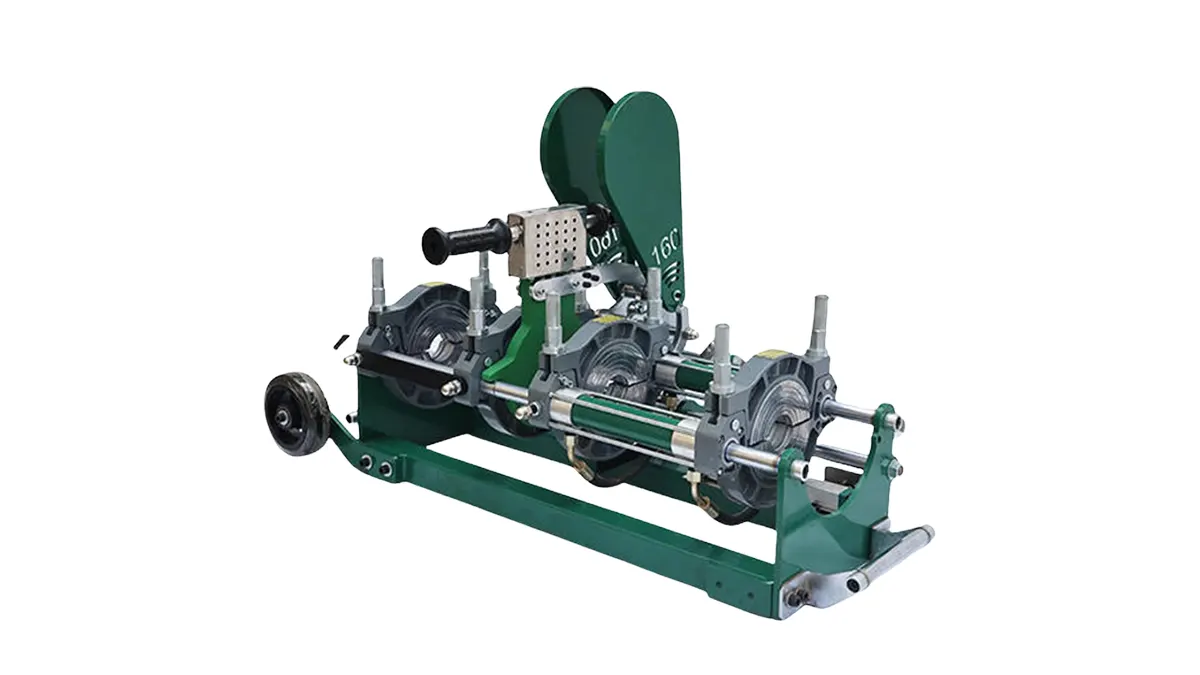
Different job scopes require specific machine classes. Manual and compact units work well for small-diameter repairs and rural installations, while hydraulic and CNC automatic butt fusion machines deliver speed and repeatability on large pipeline projects.
Applications in Russia
Typical uses include:
– Urban water mains and cold-climate replacement projects
– Gas distribution networks where consistent melt and alignment are essential
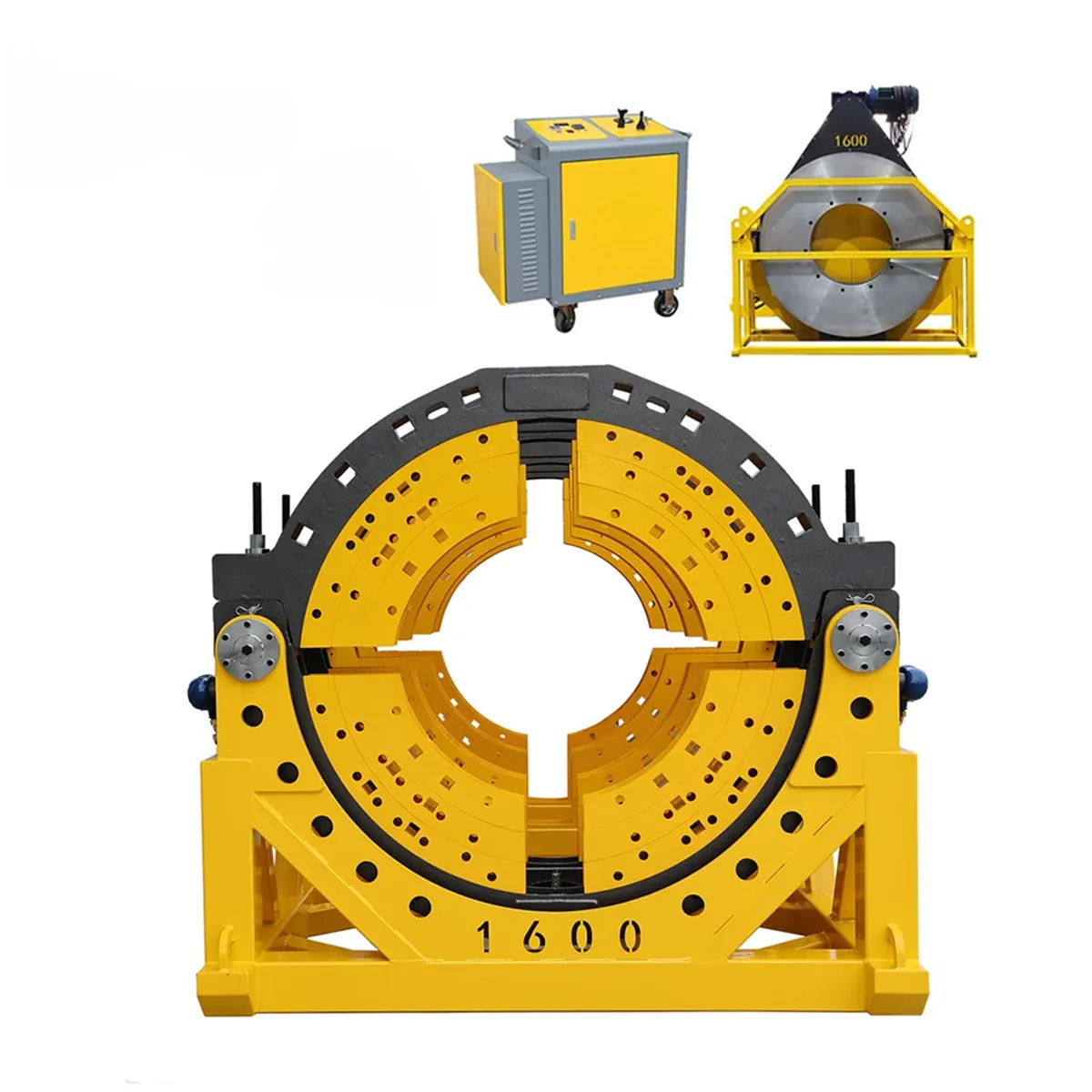
– Mining and industrial pipelines requiring large-diameter capability and robust clamping systems
Performance Comparison (Quick Reference)
| Model | Type | Pipe Range | Key Feature | Best For |
|---|---|---|---|---|
| JQA160 | Automatic Butt Fusion | 63–160 mm | Precision heating & programmable cycles | Urban utilities, contractors |
| Hydraulic Large-Dia | Hydraulic Butt Fusion | 800–1600 mm+ | Strong clamping, site durability | Mining, major pipelines |
| Manual Models | Manual Butt Fusion | 20–160 mm | Lightweight and portable | Rural repairs, small works |
Operational Tips for Cold Climates
Preheat tools in sheltered areas, keep heating plates free from frost, and allow materials to acclimatize when possible. Use certified welding procedures and maintain clear weld logs for compliance. For remote sites, plan spare parts and consumables in advance to avoid delays during Siberian winters.
Safety and Certification
Ensure operators are trained in butt fusion standards recognized by Russian authorities and international practice. Proper PPE, on-site checks, and joint testing (e.g., destructive and non-destructive sampling when required) protect long-term system integrity.
Choosing a Supplier
Reliable after-sales support, available spare parts, and clear documentation are essential when sourcing machines for Russian projects. For global infrastructure projects, consider manufacturers with proven delivery records and field service capabilities. JQ-Fusion (https://jq-fusionwelding.com/) supplies a broad range of butt fusion equipment suited to these needs.
Final note: Evaluate machine capacity against project scale, prioritize durability for cold-weather operations, and verify technical support availability before purchase to secure optimal pipeline performance across Russia’s diverse regions.



