
Egypt’s expanding infrastructure—driven by urban development along the Nile, large-scale irrigation projects, municipal water upgrades and growing gas distribution networks—needs reliable HDPE pipe welding solutions. If you’re sourcing equipment for durable, leak-free pipeline joints, high-performance butt fusion and electrofusion machines are essential for project success across Egypt’s diverse environments.
Why HDPE Jointing Machines Matter for Egyptian Projects
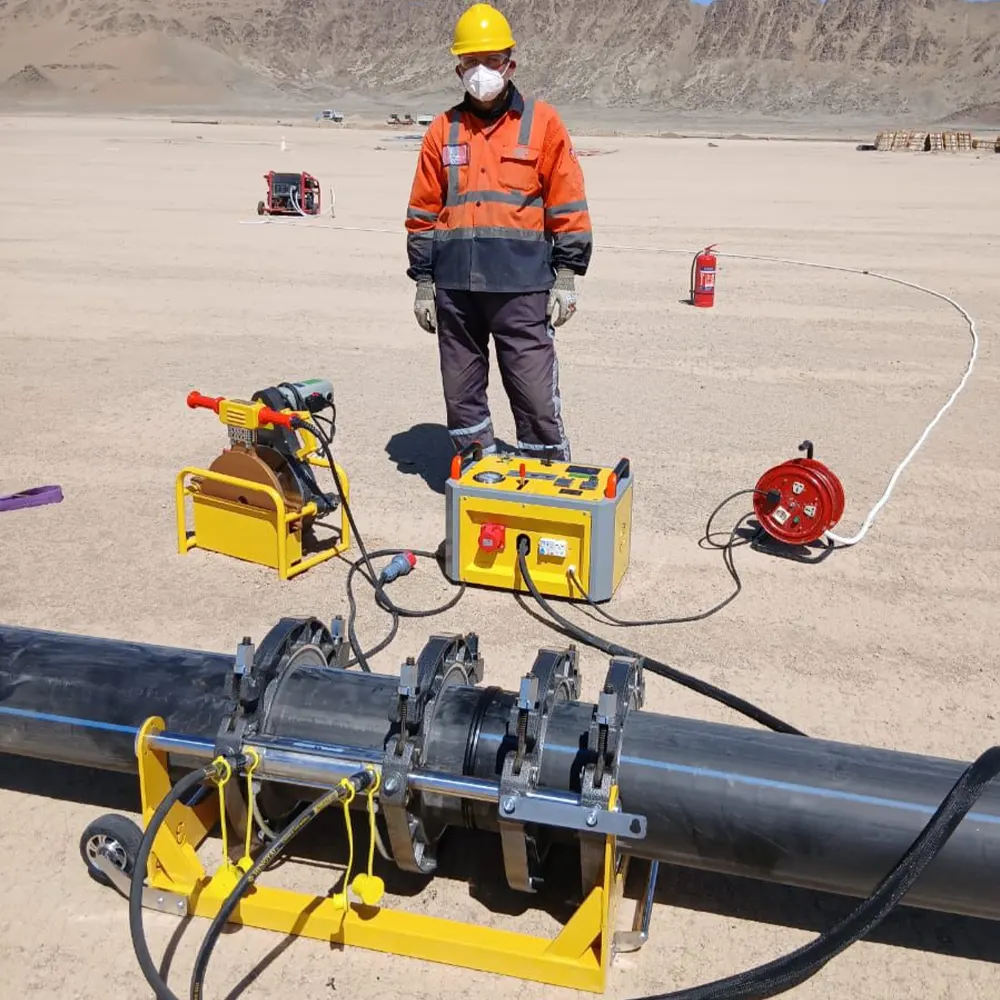
HDPE pipe welding provides corrosion resistance, flexibility and long service life—qualities ideal for Egypt’s water, sewage, irrigation and energy sectors. Proper jointing ensures minimal downtime, reduced maintenance and secure transport of potable water and natural gas even in harsh desert climates.
Key Applications Across Egypt
From urban distribution networks in Cairo and Alexandria to irrigation systems in Upper Egypt and pipeline works in new development zones, HDPE welding machines are used for:
- Municipal water supply and wastewater trunk lines
- Irrigation systems for agriculture in Nile Delta and Sinai
- Gas distribution and off-grid energy connections
- Industrial process pipelines and mining operations
Machine Types Suitable for Egyptian Conditions
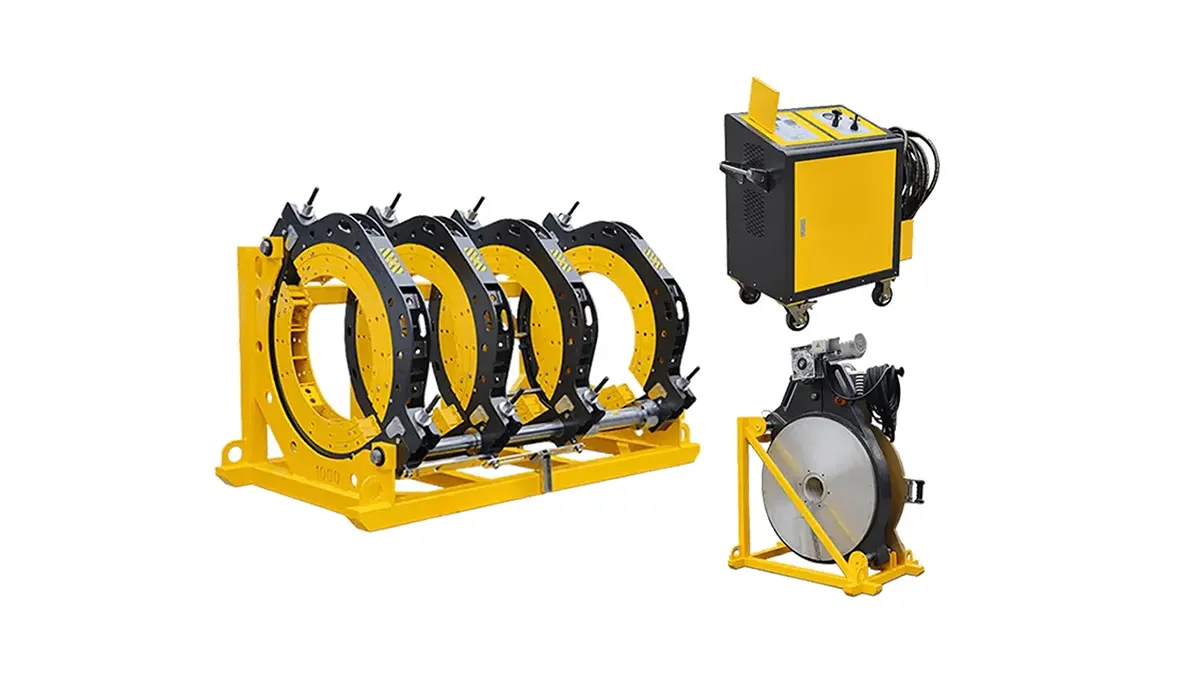
Selecting the right jointing machine depends on pipe diameter, job site mobility and automation needs. Typical categories include manual clamp-frame units, hydraulic butt fusion machines for mid-to-large diameters, CNC automatic fusion machines for high-volume work, and electrofusion units for fittings and repair jobs.
Compare Typical Models
| Machine Type | Pipe Range (mm) | Power | Ideal Use |
|---|---|---|---|
| Manual Butt Fusion | 20–400 | Hand / Small Motor | Rural repairs, small contractors |
| Hydraulic Butt Fusion | 63–1250 | Hydraulic Power Unit | Municipal & industrial pipelines |
| CNC Automatic Butt Fusion | 90–1600+ | Electric/Automatic Control | Large projects, high throughput |
| Electrofusion Units | 20–630 (fittings) | Electric Controller | Fittings, repairs, service work |
Design Considerations for Egypt’s Climate
Egyptian project sites face hot temperatures, blowing sand and variable power supply. When selecting welding equipment, look for:
- Sealed control electronics and dust-resistant housings
- Robust cooling and thermal protection for continuous operation
- Portable, lightweight frames for remote and agricultural sites
- Local serviceability and access to spare parts to minimize downtime
Quality, Certification and On-Site Support
Reliable welding performance requires machines built to consistent manufacturing standards, plus operator training and testing protocols that meet international fusion codes. For large municipal works and gas pipelines, documented welding procedures and traceable weld records are essential for acceptance by Egyptian authorities and contractors.
Logistics & Local Partnerships
To shorten delivery times and reduce costs, many Egyptian contractors prefer suppliers with export experience, local shipping arrangements and the ability to provide training or certified technicians on-site. Choosing a manufacturer who understands regional customs and on-ground realities speeds project timelines.
Contact & Next Steps
For tailored HDPE jointing solutions suited to Egyptian water, gas and irrigation projects, consider reaching out to JQ-Fusion to request specifications, pricing and local support options. A short consultation will help determine the best combination of manual, hydraulic or automatic machines for your pipeline program.



