
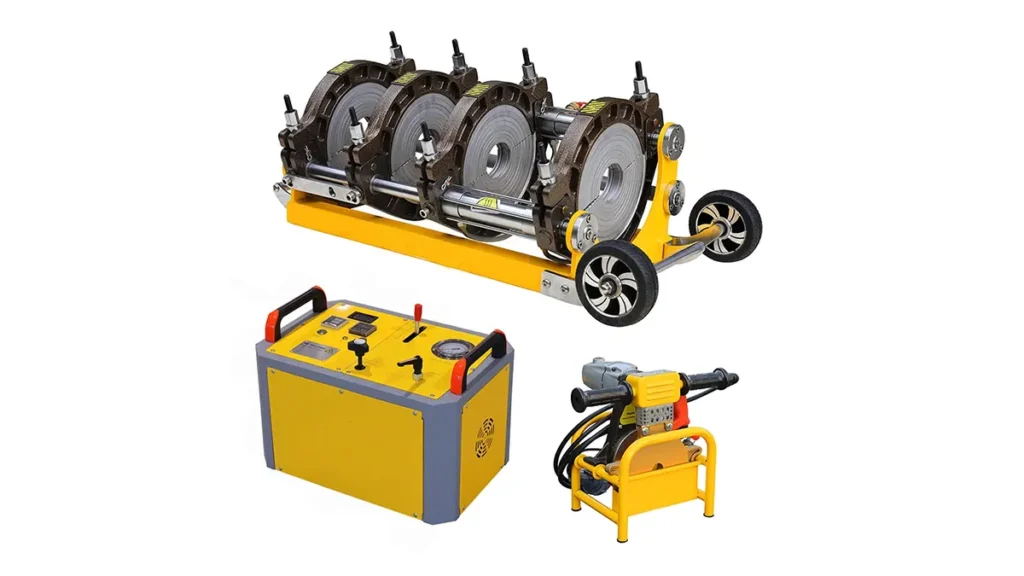
Choosing the right HDPE fusion machine in Serbia can make the difference between a reliable long-term pipeline and repeated repair work. This guide explains the best machine types, practical uses in Serbia, buying tips, and local considerations to help contractors, municipal engineers, and suppliers select equipment that matches project needs.
Overview: HDPE Fusion Technology for Serbian Projects
HDPE butt fusion and electrofusion are the standard joining methods for polyethylene pipes used across Serbia in water supply networks, gas distribution, agricultural irrigation, and industrial piping. With expanding infrastructure and EU-funded projects in the region, teams need robust, compliant fusion machines that handle local climate, site access, and workforce skill levels.
Why HDPE Fusion Machines Matter in Serbia
Serbia’s mix of urban upgrades and rural pipeline extensions requires versatile equipment. Urban utilities demand high throughput and traceable weld records for regulatory compliance, while remote works need portable, easy-to-operate units that tolerate colder winters and rough terrain. Investing in the right fusion machine reduces leakage, speeds installation, and ensures long-term durability.
Common Uses Across Sectors
- Municipal water networks — long life, minimal maintenance.
- Natural gas distribution — strict safety standards and certified welds.
- Agricultural irrigation — portable machines for field trenches and remote access.
- Industrial and mining pipelines — large-diameter fusion for heavy duty flows.
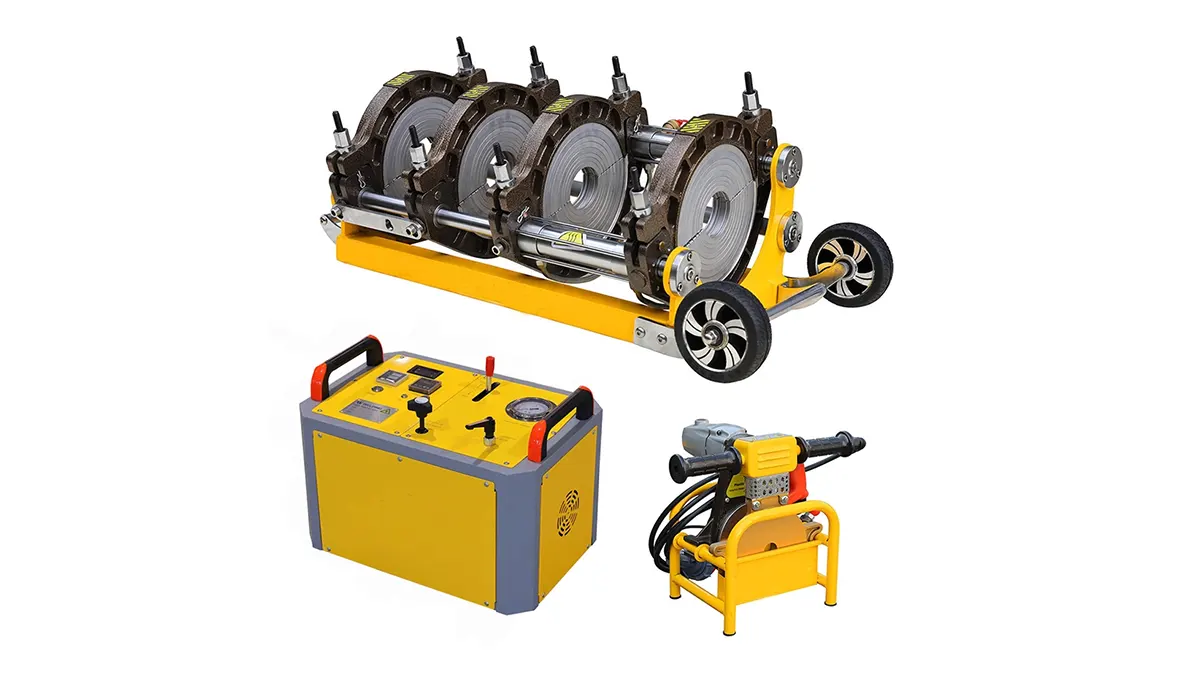
Types of HDPE Fusion Machines — Which One Fits Your Serbian Project?
Selecting between manual, hydraulic, automatic, and electrofusion units depends on pipe diameter, production needs, and site conditions. Below are the common categories and where each excels in the Serbian market.
Manual Butt Fusion Machines
Best for small-diameter lines and occasional fieldwork. Pros: low cost, highly portable. Cons: operator-dependent weld quality.
Hydraulic Butt Fusion Machines
Ideal for mid to large diameters with improved force control and consistency — good for municipal and industrial jobs.
Automatic / CNC Butt Fusion Machines
Provide programmable cycles, welding logs, and repeatable quality — essential for utility contractors and projects requiring traceable documentation.
Electrofusion Machines
Used for fittings and repairs — compact and suitable for tight urban installations and gas networks where certified couplers are standard.
Quick Model Comparison (At-a-glance)
| Model | Pipe Range (mm) | Type | Best For | Key Feature |
|---|---|---|---|---|
| JQH250 | 20–250 | Hydraulic | Municipal & irrigation | Portable, reliable clamping |
| JQH630 | 63–630 | Hydraulic | Industrial & large mains | Strong hydraulic force |
| JQA250 (Auto) | 20–250 | Automatic | High-volume contractors | Weld logs & programmable cycles |
| Electrofusion Unit | 20–630 fittings | Electrofusion | Repairs & fittings | Compact & field-ready |
Buying Guide: What Serbian Buyers Should Check
- Pipe diameter range — match the machine to the maximum pipe OD you will weld.
- Power and site logistics — battery/portable hydraulic power for remote regions; three-phase supply at workshops.
- Certification & standards — CE, ISO, and welding parameters that meet EU/Serbian utility requirements.
- Spare parts and local support — verify supply chains, training, and service response times in Serbia or neighboring countries.
- Traceability — automatic machines with data logs are often required on larger public works.
- Transport & customs — consider import lead times and duties when ordering from overseas suppliers.
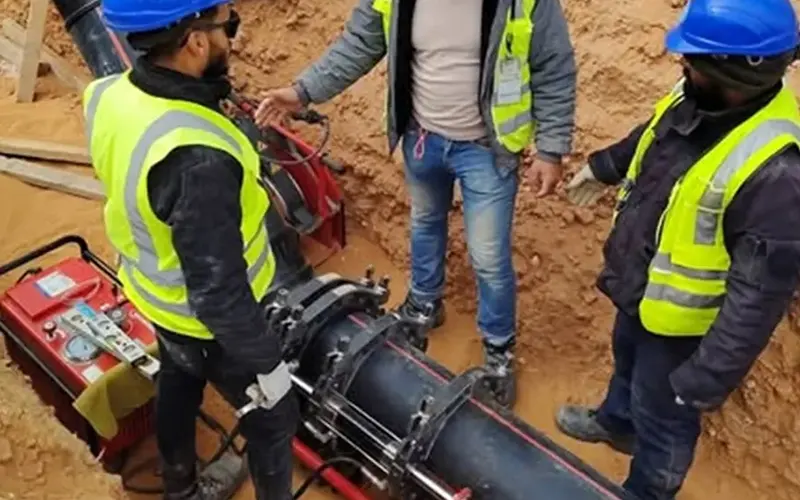
Installation, Training & Maintenance Tips
Before first use, run a commissioning check and ensure operators receive hands-on training for proper heating, alignment, and cooling cycles. Keep a preventive maintenance schedule: clean heating plates, check hydraulic oil, confirm clamps and guides are aligned, and store plates and tools in dry conditions to prevent corrosion. For cold-weather Serbian sites, allow extra warm-up and cooling time per welding standards.
Local Considerations
Workforce language and documentation in Serbian can speed training, and choosing a supplier who can provide technical manuals and support in local languages improves adoption on-site. For EU-funded projects, ensure documentation and certificates align with procurement requirements.
Frequently Asked Questions
How do I pick between hydraulic and automatic machines?
Choose hydraulic for rugged, mid-to-large pipelines and automatic for projects needing traceability and consistent, repeatable weld quality.
Is electrofusion enough for mainlines?
Electrofusion is excellent for fittings, repairs, and small-diameter lines. For continuous mainline welding, butt fusion (hydraulic or automatic) is usually preferred.
Need a Reliable Supplier?
JQ-Fusion provides a wide range of HDPE pipe welding machines — from manual and hydraulic units to CNC automatic butt fusion machines — designed for infrastructure, gas, mining and industrial projects globally. Visit jq-fusionwelding.com for product details, certificates, and service options.
Next Steps
Assess your typical pipe diameters, project environments (urban vs. rural), and documentation needs. Shortlist two machine types — one portable for field repairs and one production-capable unit for main installations — then request on-site demos or welding samples before purchasing.



