
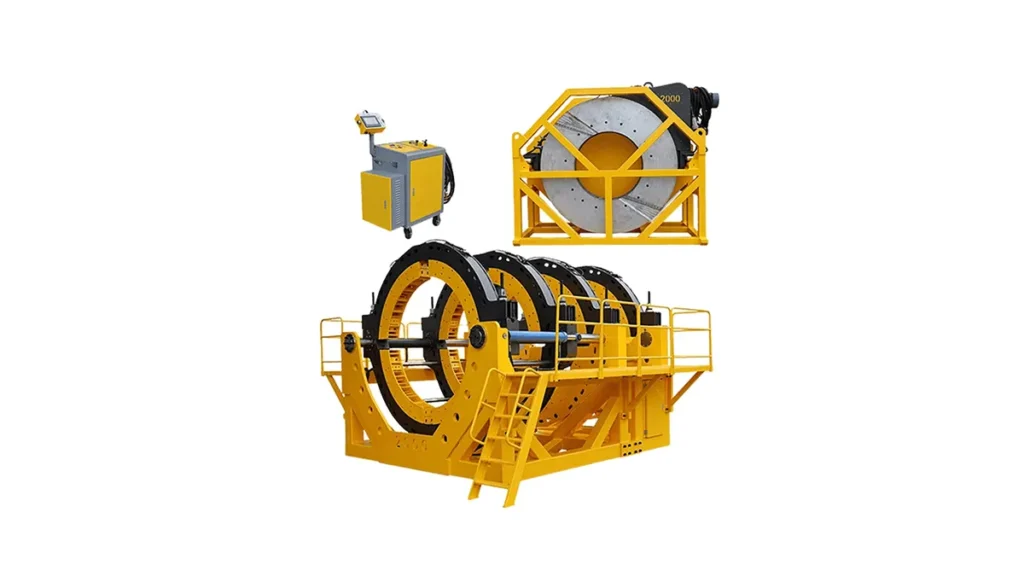
In the Democratic Republic of the Congo, reliable pipeline welding solutions are essential for expanding water supply, gas distribution, mining operations and industrial infrastructure. HDPE butt fusion machines deliver leak-free joints, long service life and fast onsite assembly—qualities that match the needs of Congolese contractors, municipal utilities and mining engineers working across urban hubs like Kinshasa and Lubumbashi as well as remote project sites.
Why HDPE Butt Fusion Works for DR Congo Projects
Durability in challenging environments: HDPE piping resists corrosion, biological growth and chemical exposure—critical in tropical and mining regions. Butt fusion creates homogenous joints that maintain pipe strength and prevent infiltration in areas with unstable soils or heavy rainfall.
Mobility and rapid installation help teams overcome logistical constraints on Congolese roads and river crossings. Fusion equipment that is robust, easy to transport and simple to operate speeds up installation and reduces downtime at remote sites.
Key Machine Features to Prioritize
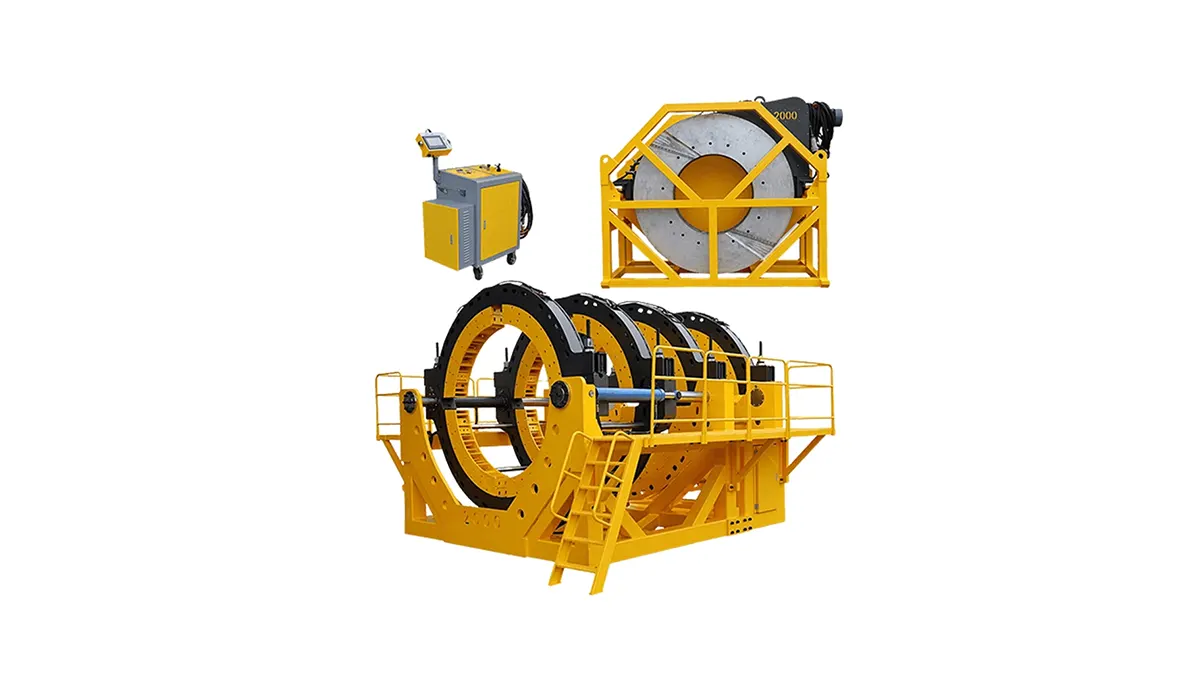
Hydraulic stability and precise clamp control — ensure consistent pressure during heating and cooling stages to meet ISO fusion standards.
Portable frames and modular kits — reduce transport costs on poor roads and allow assembly near the trench or plant.
-
Adjustable heating plates with accurate temperature control for different PE materials.
-
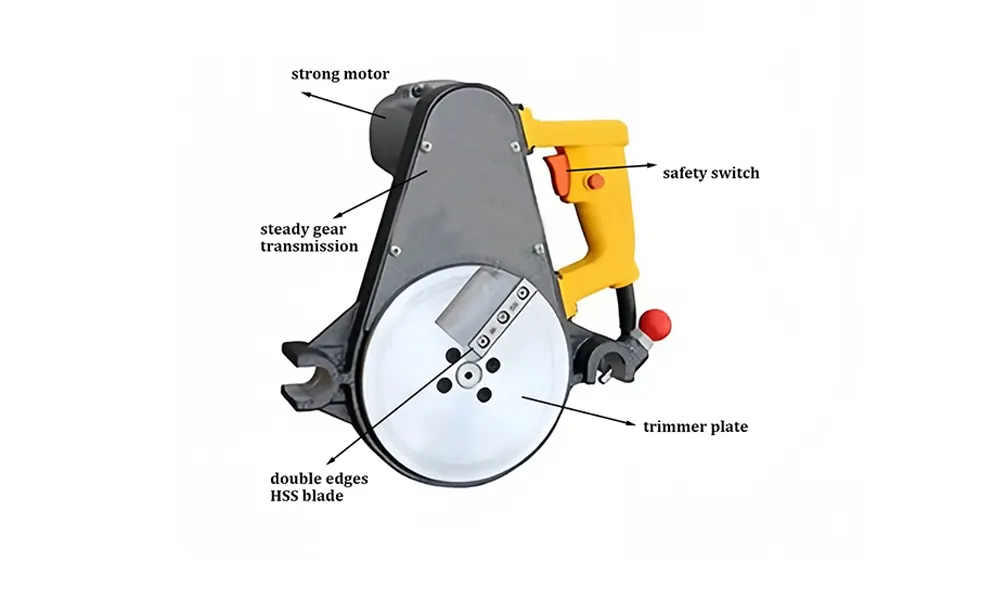
Trimmers and facing tools that produce flat, clean joint surfaces—important for integrity in pressurized water and gas systems.
-
Clear control interfaces or CNC options for repeatable, documented weld cycles on long pipelines.
Recommended Models & Typical Applications
The following model guide helps select machines according to pipe diameter and project type:
| Model | Type | Pipe Range (mm) | Best For |
|---|---|---|---|
| JQH160 | Hydraulic | 63 – 160 | Rural water networks, small distribution lines |
| JQH400 | Hydraulic | 200 – 400 | Municipal supply lines, medium industrial loops |
| JQH1000 | Hydraulic / Large-Diameter | 630 – 1000+ | Mining slurry pipelines, major conveyance projects |
| JQA250 | Automatic CNC | 110 – 315 | High-volume municipal or gas distribution with documented weld records |
Local Considerations: Logistics, Workforce & Standards
Project planners in the DRC should account for long transport legs, customs clearance at ports and inland movement on river barges. Machines with compact frames and removable accessories simplify logistics and reduce handling costs. Training local technicians is essential—on-site operator courses and clear fusion procedure documentation produce consistent weld quality and reduce rework.
Ensure weld procedures align with international standards and local regulations; documented cycles and simple data logging are helpful when presenting compliance to municipal authorities or miners financing pipeline projects.
Maintenance & Spare Parts Strategy
-
Keep a basic spare kit: heating cartridge, thermocouples, clamps and hydraulic seals.
-
Perform daily checks on hydraulic fluid, alignment and heater surfaces before each fusion run.
-
Schedule refresher training every 6–12 months for operators in field conditions.
Next Steps for Procurement and Support
For reliable butt fusion solutions tailored to Congolese projects, source equipment that balances portability with robust hydraulic control and accessible spare parts. JQ-Fusion is a professional manufacturer specializing in HDPE pipe welding machines, offering manual, hydraulic and CNC automatic butt fusion systems suitable for water supply, gas distribution, mining and industrial pipelines.
Tip: When requesting quotes, include expected pipe diameters, project site access conditions and whether you require training or certified weld documentation—this ensures a solution matched to on-the-ground realities in the DRC.



