
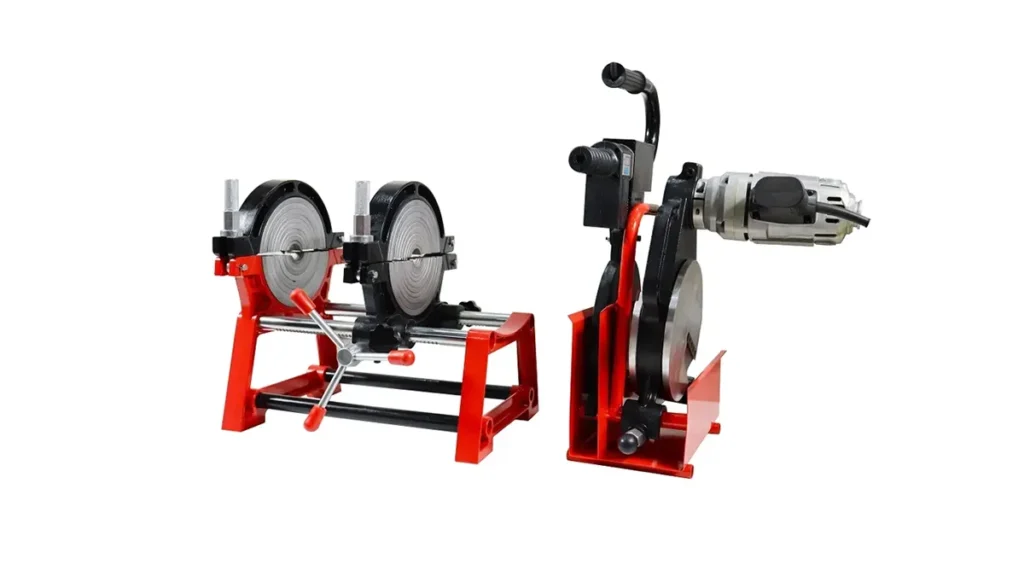
France’s infrastructure projects demand durable, efficient HDPE welding equipment that meets strict EU standards and performs reliably across urban, rural, and industrial environments. This guide explains how modern butt fusion machines support French pipeline installation and maintenance—from municipal water networks to agricultural irrigation and gas distribution.
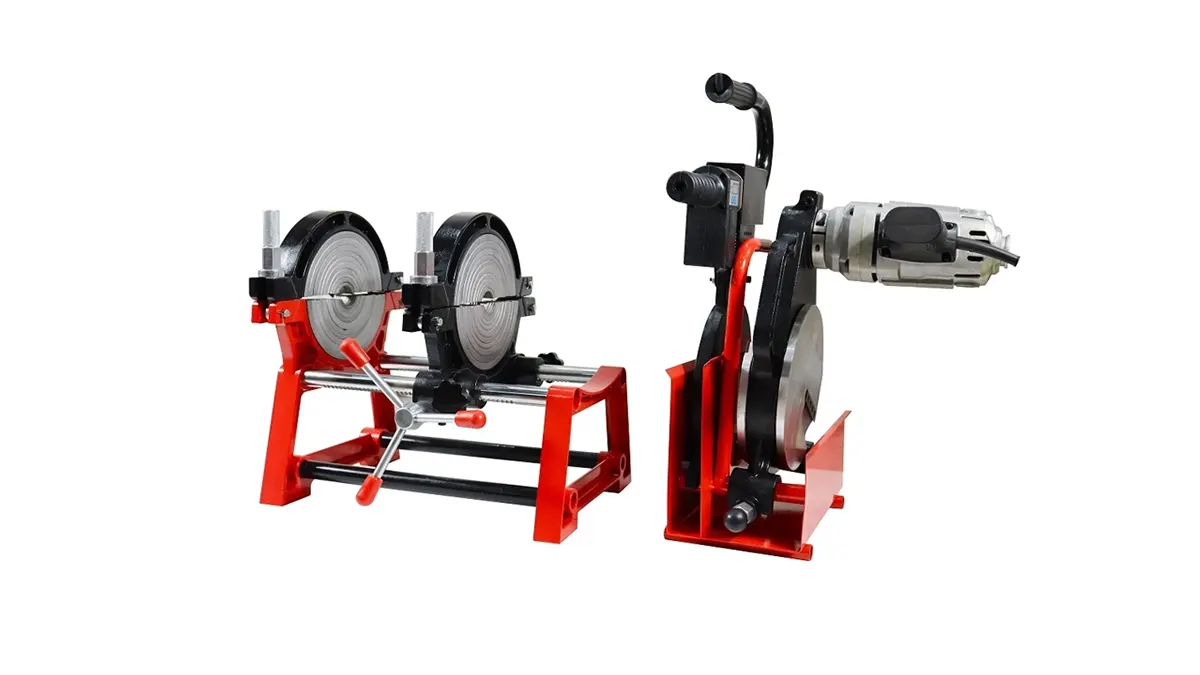
Why HDPE Butt Fusion is the Preferred Choice in France
HDPE piping is favored for its corrosion resistance, flexibility, and long service life—qualities essential for French climates and regulatory expectations. Butt fusion welding creates homogenous joints that are stronger than the pipe itself, reducing leak risks in potable water, sewerage systems, and buried gas networks.
Key Benefits for French Projects
Durability: Resistant to chemicals and frost. Low maintenance: Fewer repairs reduce downtime on public works. Compliance-ready: Compatible with CE norms and EU pipeline standards.
Machine Types and Applications
Selecting the right fusion machine depends on pipe diameter, site conditions, and crew skill level. Manufacturers provide manual, hydraulic, and CNC automatic butt fusion machines to cover diverse needs from small urban repairs to large-diameter trunk lines.
Typical Use Cases Across France
Urban utilities often use automatic systems for speed and data logging; rural contractors prefer portable manual or hydraulic units for field repairs and irrigation works; heavy civil projects—such as long-distance water transfer lines—require large-diameter hydraulic or CNC machines for precision and throughput.
How to Choose the Right Fusion Machine
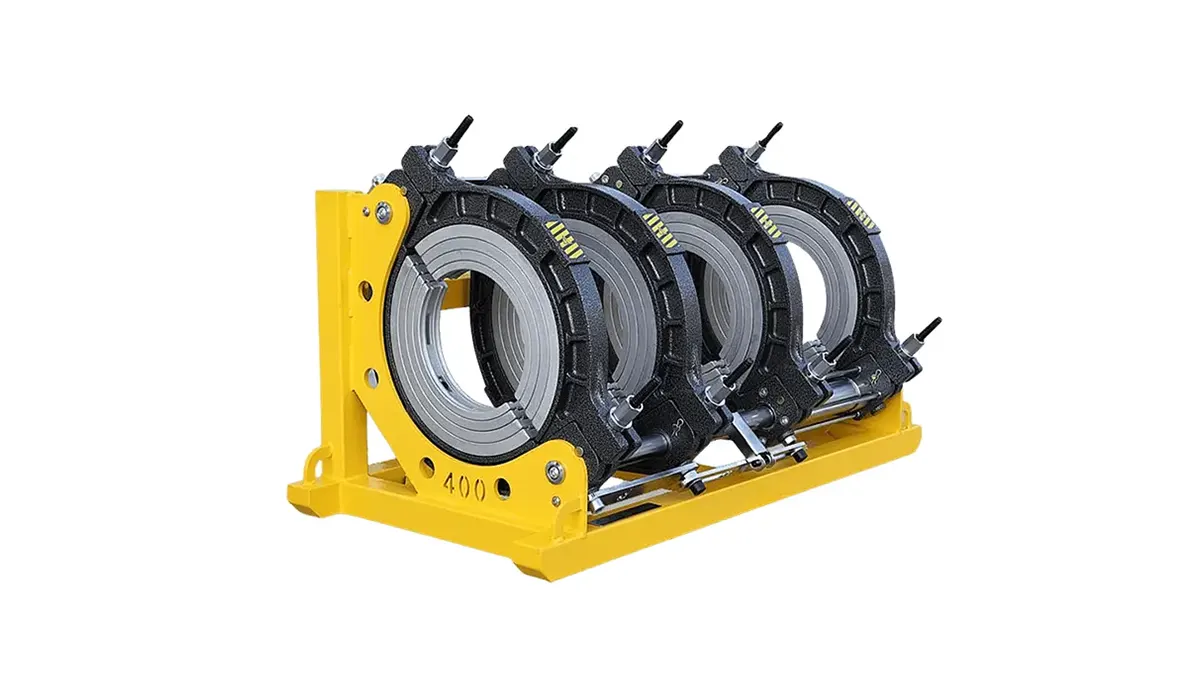
Assess the following to match equipment to project goals: expected pipe size range, frequency of use, portability requirements, power availability, and required documentation for compliance. Training and after-sales service are especially important for French contractors operating under tight project timelines.
Quick Selection Tips
For city distribution networks choose automated systems for traceability. For remote sites prioritize compact hydraulic units with battery or generator compatibility. For large infrastructure works, consider CNC-controlled welders that ensure repeatability and generate weld reports.
Comparison Table: Common Models & Ranges
| Machine Type | Typical Pipe Range (mm) | Primary Advantage |
|---|---|---|
| Manual Butt Fusion | 20 – 315 | Portable, cost-effective for repairs |
| Hydraulic Butt Fusion | 63 – 1600+ | High force for large-diameter pipes |
| CNC / Automatic Systems | 63 – 1200+ | Precision, data logging, repeatability |
Installation, Training & Local Support in France
Successful welds combine correct equipment choice with trained operators. French contractors benefit from on-site commissioning, operator training in French or English, and access to spare parts. Ensure delivered machines include clear operation manuals and traceability functions for compliance with project audits.
Quality, Certification & After-sales
Look for machines with robust frames, reliable heating plates, and safety interlocks. CE marking and material conformity make permitting smoother for public tenders. Warranty and responsive technical support reduce downtime on urgent repairs or seasonal work like irrigation installation.
Why Work with a Specialized Manufacturer
Choosing an experienced manufacturer ensures tailored solutions—whether you need compact portable units for vineyard irrigation in Provence or large hydraulic machines for municipal trunk lines in Île-de-France. For reliable butt fusion equipment and tailored project support, explore solutions from JQ-Fusion.
Next Steps for French Buyers
Request a specification sheet, confirm pipe diameter coverage, and arrange a demonstration or trial. Prioritize suppliers who provide documentation, training, and parts availability within the EU to keep projects on schedule.



