
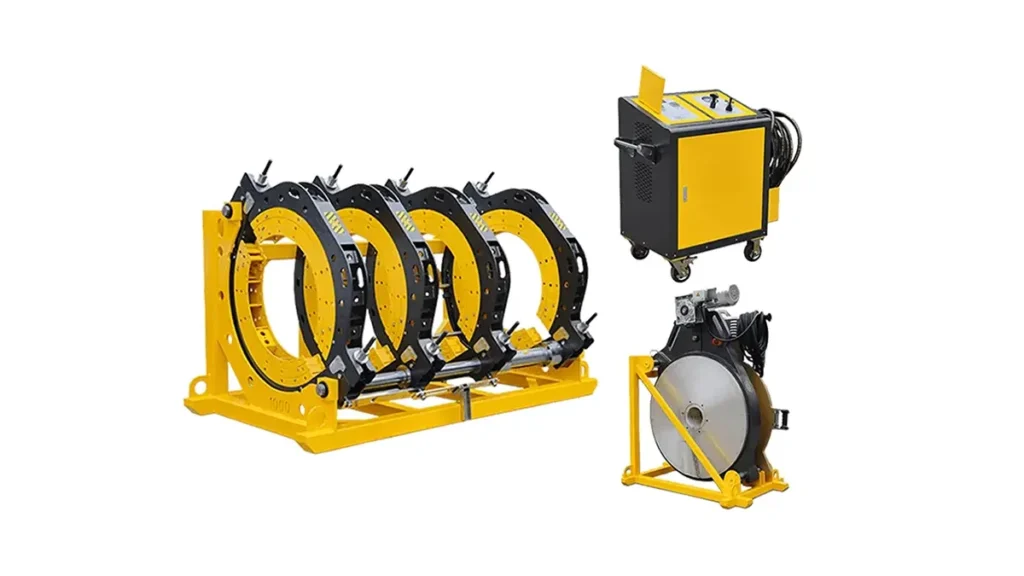
HDPE pipe fusion equipment plays a critical role in modern infrastructure projects, delivering reliable, long-lasting joints for water, gas, mining, and industrial pipeline systems. This guide highlights key machine types, practical selection tips, and value-driven features to help contractors and procurement teams choose the best solution for their projects.
Overview of HDPE Fusion Machines
Butt fusion and electrofusion technologies remain the industry standard for joining high-density polyethylene (HDPE) pipes. Machines range from compact manual frames to full-featured CNC automatic units and heavy-duty hydraulic systems for large-diameter pipelines. Each class balances portability, automation level, and production speed to match on-site constraints and project budgets.
Common Applications
Water supply networks: Long-distance mains and distribution lines demand leak-free joints and durability.
Gas distribution: High-safety joints and traceable welding records are essential for regulatory compliance.
Mining & industry: Robust machines that tolerate harsh sites and heavy usage reduce downtime and maintenance costs.
Key Advantages by Machine Type
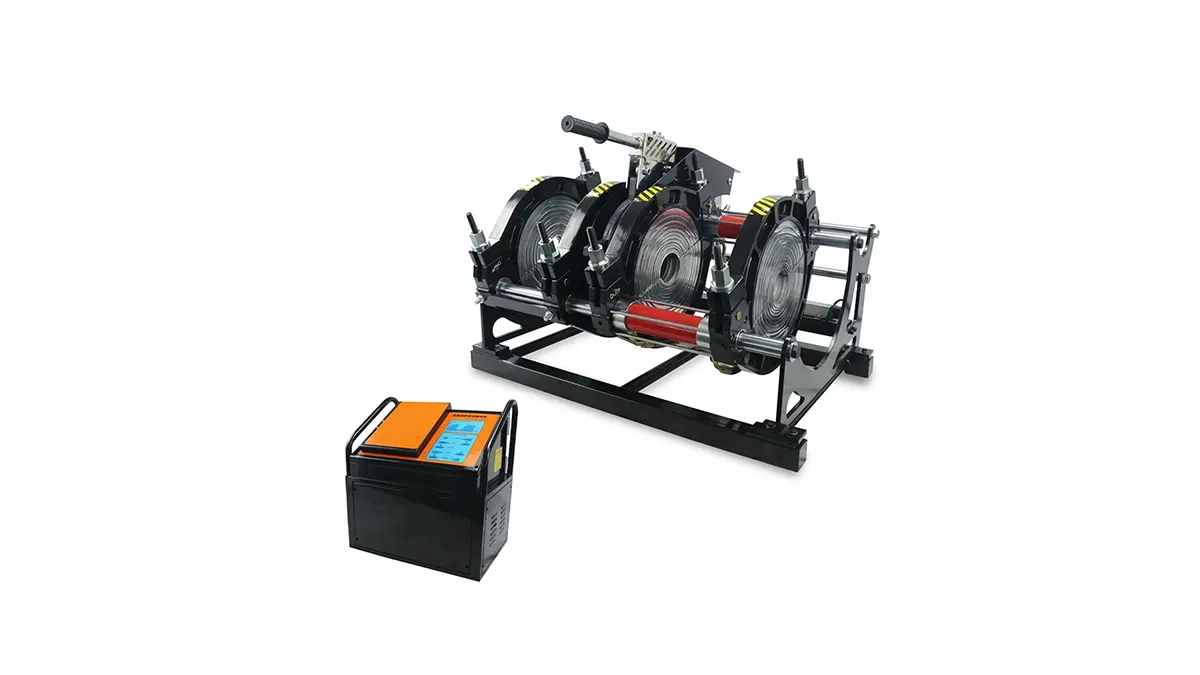
Manual machines — Cost-effective, lightweight, ideal for small-diameter pipes and remote jobs.
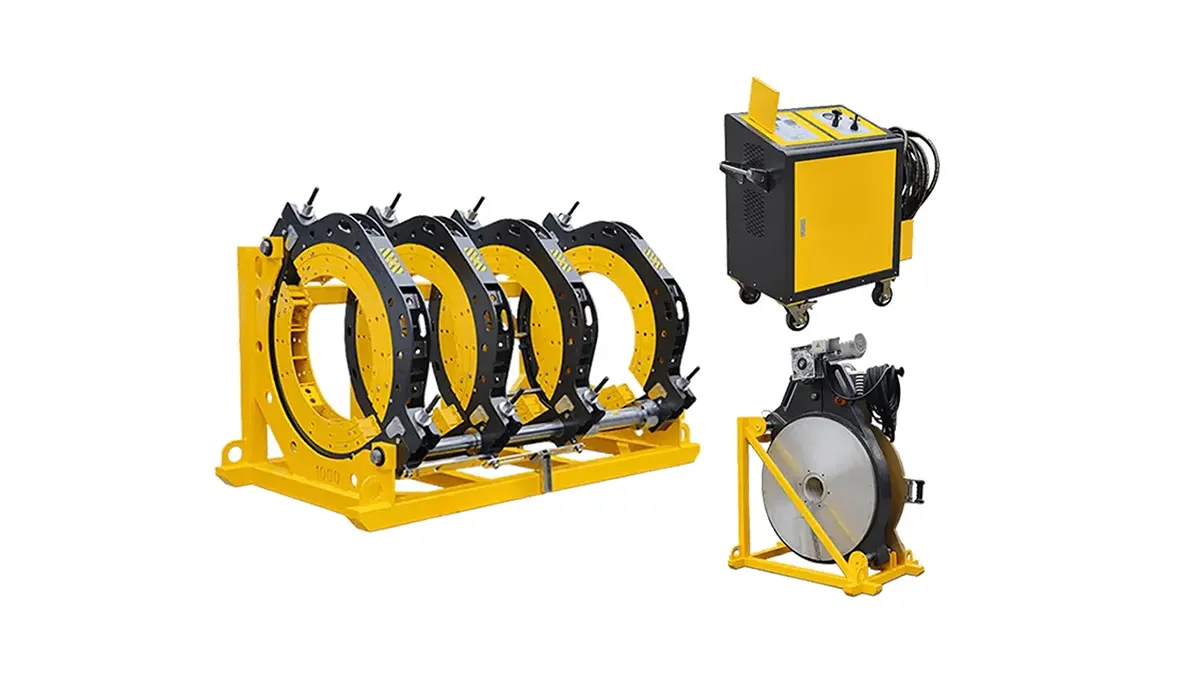
Hydraulic machines — High clamping force for medium to large pipes, consistent pressure control, suited to pipeline contractors.
Automatic / CNC units — Precision-controlled heating and fusion cycles, best for high-volume or quality-sensitive projects.
Model Comparison at a Glance
| Model | Type | Pipe Range (mm) | Ideal Use |
|---|---|---|---|
| JQH1000 | Hydraulic | 160 – 1000 | Medium to large municipal mains |
| JQA315 | Automatic / CNC | 20 – 315 | Factory prefabrication & high-precision projects |
| Manual Frame | Manual | 20 – 160 | Small-scale repairs and rural installations |
How to Choose the Right Fusion Machine
Start by matching machine capacity to your largest expected pipe diameter and expected daily joint count. Evaluate the required level of automation: choose automatic units for repeatable, documented welds in prefabrication shops; select hydraulic units when field conditions require robust clamping and simple controls.
Consider portability, local serviceability, and spare parts availability. For contractors working across multiple regions, prioritize modular designs and widely supported components to minimize downtime.
Operational Best Practices
Adhere strictly to welding parameters: heating time, pressure, and cooling period. Use calibrated equipment and maintain trace logs for each weld when working on critical infrastructure. Proper pipe alignment and clean, squared ends are essential to prevent weak joints.
Maintenance, Training, and After-Sales Support
Regularly inspect heaters, clamps, and hydraulic elements. Scheduled calibration and preventive maintenance extend machine life and ensure consistent weld quality. Provide operator training focused on safety, parameter selection, and record-keeping to maximize productivity and compliance.
Certifications & Quality Assurance
Look for machines with quality control documentation, CE or other regional certifications where applicable, and test records that demonstrate consistent fusion performance under varied conditions.
Ready to optimize your pipeline projects? Visit JQ-Fusion at https://jq-fusionwelding.com/ to explore product lines and request technical specifications tailored to your application.



