
Investing in a high-quality HDPE electrofusion welding machine ensures leak-free joints, consistent fusion performance, and long-term reliability for water, gas, and industrial piping systems. This guide explains the key benefits, technical considerations, and practical tips for selecting a dependable electrofusion supplier and getting the most from your pipe fusion operations.
What Is an HDPE Electrofusion Welding Machine?
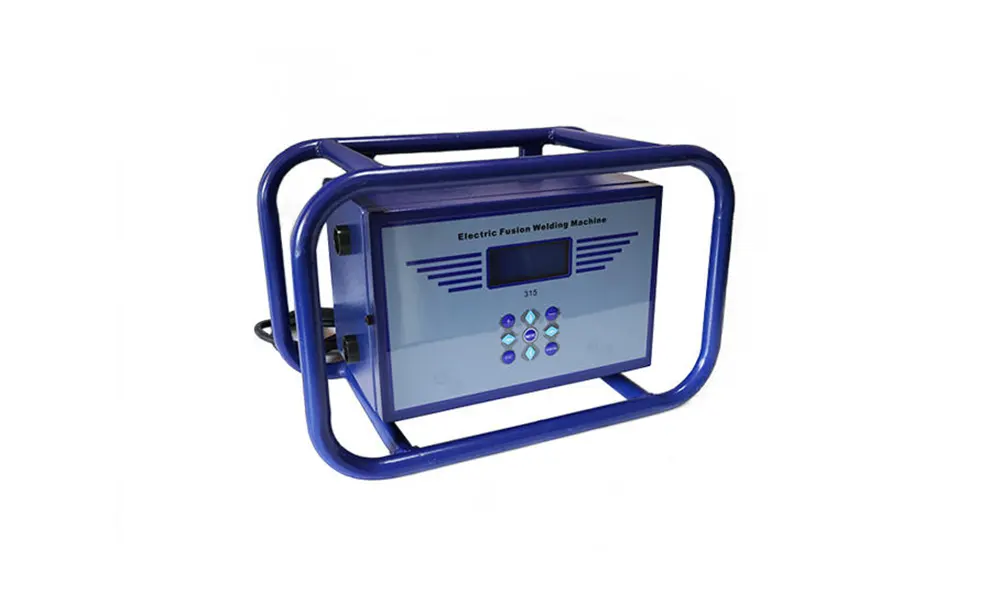
An HDPE electrofusion welding machine uses controlled electrical heating to activate embedded heating elements in electrofusion fittings. The process creates uniform melt across the fitting and pipe surfaces, producing a strong, pressure-rated joint. Electrofusion is favored for complex connections, repair work, and where precise mechanical alignment matters.
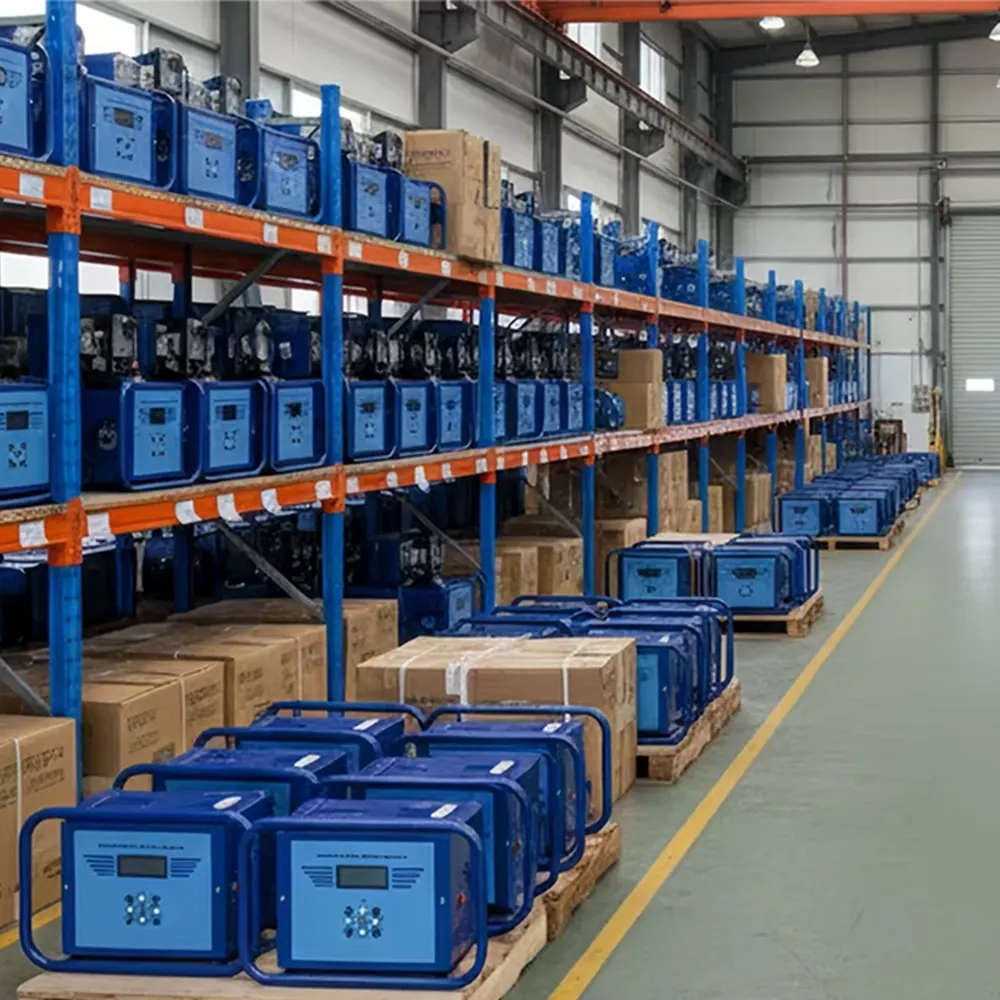
Key Advantages of Electrofusion for HDPE Pipes
Reliability: Electrofusion provides consistent heat distribution and controlled cooling for robust joints.
Ease of Use: Many modern electrofusion units include intuitive controls and diagnostics to simplify field operations.
Versatility: Ideal for service taps, fittings, repairs, and connections in confined spaces or rough terrain.
Critical Features to Look For
When comparing machines, prioritize:
-
Accurate voltage/current control and pre-programmed welding cycles.
-
Built-in logging or digital traceability for QA/QC compliance.
-
Portable, rugged design with weather-resistant controls for outdoor sites.
-
Safety features such as automatic shutoff, error detection, and clear operator prompts.
Technical Specs Snapshot
| Model | Pipe Range | Power | Control | Use Case |
|---|---|---|---|---|
| JQEA-160 | 20–160 mm | 230 V / 50–60 Hz | Digital, preset cycles | Service connections, repairs |
| JQEB-315 | 160–315 mm | 230/400 V | Touchscreen, logging | Medium distribution networks |
| JQEA-800 | 315–800 mm | 400 V / 3-phase | PLC control, remote diagnostics | Large-diameter mains & industrial |
Applications by Industry
Electrofusion welding is widely used across several sectors:
-
Water Supply: Pressure-rated, corrosion-free joints for potable networks.
-
Gas Distribution: Safe, traceable joints in low- and medium-pressure systems.
-
Mining & Industrial: Durable repairs and complex fittings in harsh environments.
-
Municipal Infrastructure: Quick repairs, lateral connections, and service upgrades.
Installation & Quality Tips
To ensure consistent fusion quality, follow these best practices:
-
Keep surfaces clean and dry; remove oxidation and contaminants.
-
Use manufacturer-specified fittings and match the welding profile to the logged parameters.
-
Document every weld with time, operator, and environmental conditions for QA records.
-
Train operators on both machine controls and proper handling of HDPE materials.
Maintenance and Support
Routine maintenance ensures safe operation and long equipment life: check connectors and cables for wear, keep firmware updated, and store the unit in dry, temperature-controlled conditions when not in use. Choose a supplier that offers spare parts, calibration, and timely technical support to minimize downtime.
Selecting the Right Supplier
Look for a supplier with proven manufacturing experience in HDPE fusion technology, robust quality control, and a responsive service network. Verify product certifications, user testimonials, and after-sales training options. For reliable butt fusion and electrofusion solutions tailored to infrastructure projects, consider contacting JQ-Fusion via their website at https://jq-fusionwelding.com/.
Next steps: evaluate machine ranges against your pipe sizes, request welding cycle logs, and arrange an on-site demo where possible to validate performance under real working conditions.



