
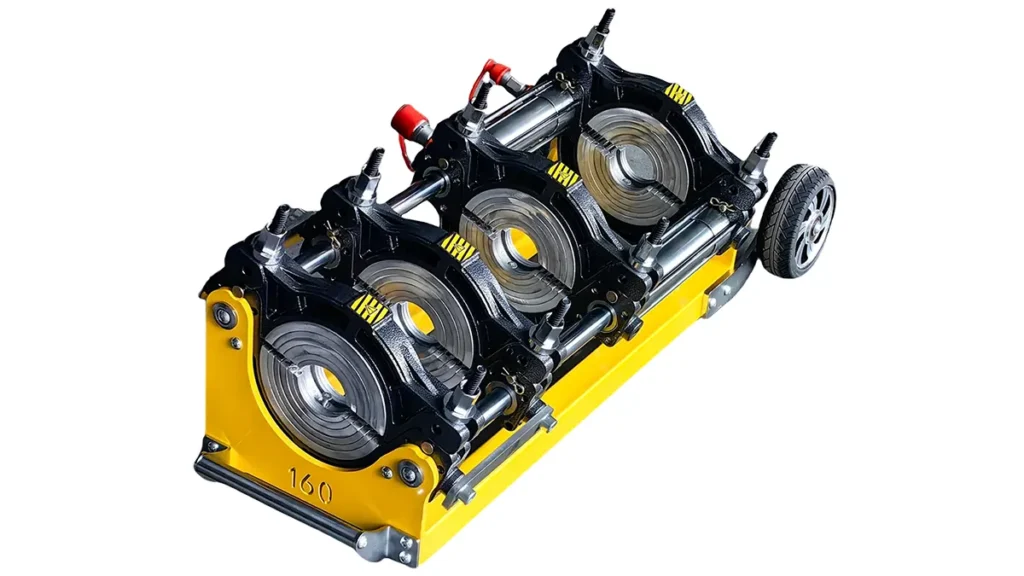
Reliable welding equipment is the backbone of successful gas pipeline projects across Mexico — from urban gas distribution upgrades in Mexico City to remote pipeline installations in the northern and southern states. Choosing the right machines improves weld quality, reduces rework, and keeps projects on schedule and within budget.
Why dependable equipment matters for Mexican pipeline projects
Gas distribution networks in Mexico face a variety of challenges: diverse terrains, hot and humid coastal climates, and construction sites with limited infrastructure. For municipal contractors, energy companies, and civil works firms, welding equipment must deliver consistent fusion strength, clear process control, and easy maintenance in the field.
Core welding technologies for gas lines
Selecting the right welding method depends on pipe material, diameter, site constraints, and production rate. The most commonly used technologies for HDPE gas pipelines include:
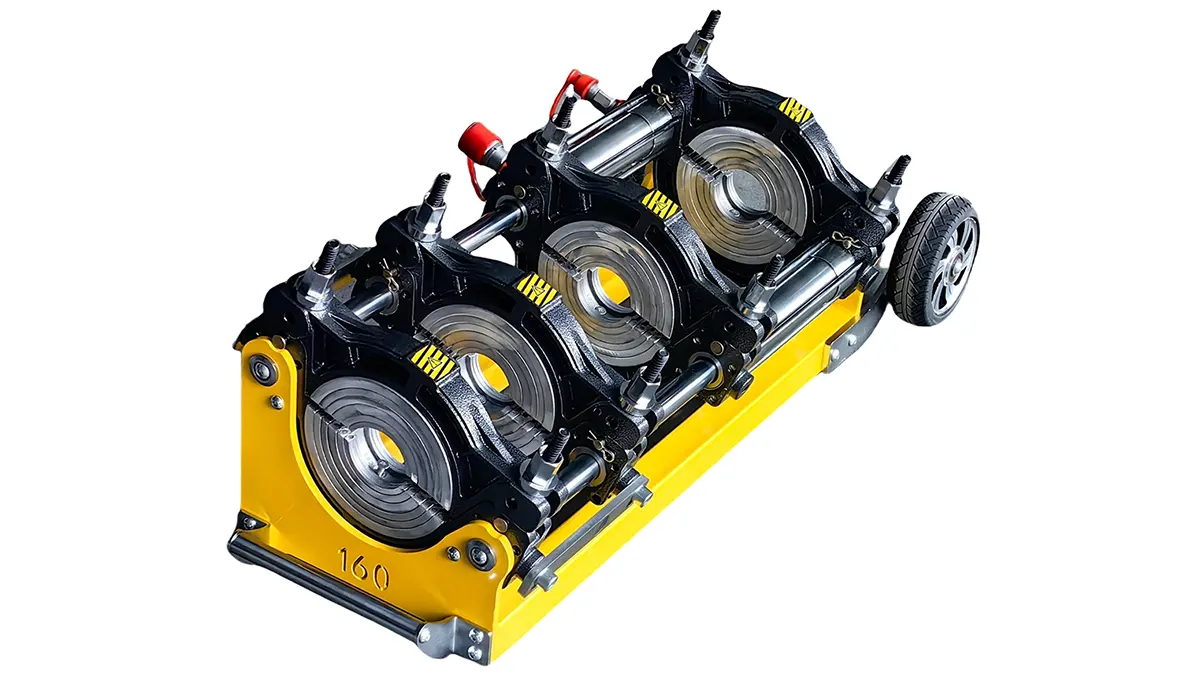
- Butt fusion — ideal for continuous line welding, available in manual, hydraulic, and fully automatic systems for diameters from small to very large.
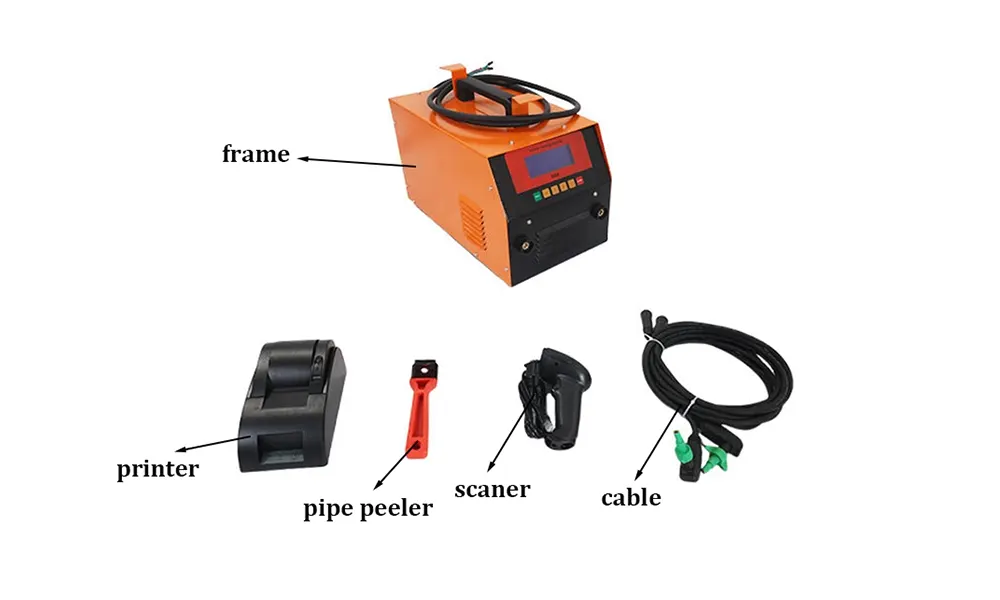
- Electrofusion — preferred for fittings, repairs, and connections where mechanical access is limited.
- Multi-angle fitting machines — efficient for prefabricated assemblies and branch connections.
What Mexican contractors prioritize
Local teams typically evaluate equipment on these practical criteria:
- Durability in dusty or coastal sites and resistance to corrosion.
- User-friendly controls and clear weld logs for quality assurance and regulatory checks.
- Portability for projects in remote areas — machines that can be moved easily between sites.
- Availability of spare parts and timely technical support, preferably with Spanish-speaking assistance.
- Compatibility with local PE grades (PE63, PE80, PE100) and common gas pipe diameters used in Mexico.
Product comparison — choose the right machine for your gas line project
| Machine Type | Typical Diameter Range | Ideal Application | Key Features |
|---|---|---|---|
| Manual Butt Fusion | 20mm – 160mm | Small repairs, low-volume installations | Lightweight, low cost, easy field use |
| Hydraulic Butt Fusion | 63mm – 1600mm+ | Mainline welding, medium to large diameter pipes | High clamping force, consistent pressure control |
| Automatic Butt Fusion | 110mm – 630mm (typical) | High-volume production, urban network roll-outs | Programmed cycles, digital weld records, faster cycle times |
| Electrofusion Units | Fittings: small to medium | Fittings, tees, repairs, confined spaces | Precise heating, digital control, portable models |
Installation, training & local support
Successful welding programs in Mexico combine the right equipment with practical training. Look for suppliers who offer on-site commissioning, bilingual manuals, and operator training tailored to common local workflows. A supplier network that can deliver spare parts quickly to major Mexican hubs reduces downtime and helps maintain production schedules.
Maintenance & safety best practices
Regular calibration of heating plates and pressure systems, routine inspections of clamping frames, and strict adherence to welding procedures are essential. Maintain weld traceability with digital logs and enforce PPE and gas-safety protocols during hot works. These practices protect crews and safeguard pipeline integrity.
About the manufacturer
JQ-Fusion — a professional manufacturer of HDPE pipe welding machines — offers a full range of manual, hydraulic, and CNC automatic butt fusion equipment suitable for Mexico’s gas distribution and infrastructure projects. Visit https://jq-fusionwelding.com/ for product details and contact options.
Need help selecting equipment for a Mexico-based gas pipeline project? Focus on reliability, local service availability, and machines designed for the operating conditions you face. The right choice reduces risk and delivers long-term value for your network.



