
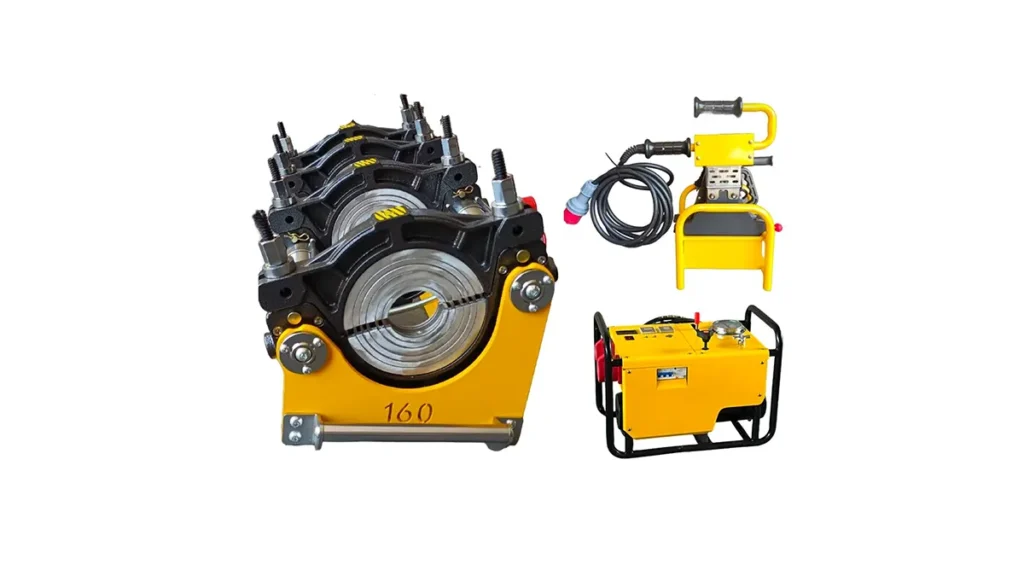
Indonesia’s rapid infrastructure growth and expanding gas distribution networks demand dependable welding equipment for HDPE gas lines. Contractors, utility companies, and EPC firms working across islands from Sumatra to Papua need machines that perform reliably in humid, remote, and variable-site conditions.
Why Reliable Gas Line Welders Matter in Indonesia
Safety, longevity, and leak-free joints are non-negotiable for gas pipelines. In Indonesia, projects face tropical humidity, salt air near coastlines, and long mobilization distances between islands — all factors that increase the premium on robust welding machines and straightforward field maintenance.
Primary Welding Technologies for Gas Distribution
Butt fusion is the most common method for large-diameter HDPE gas mains because it creates strong, homogeneous joints. Electrofusion provides precise, controlled connections for fittings and repair work. CNC-driven automatic welders combine repeatability and data logging for high-volume urban and industrial pipeline projects.
Recommended Machine Types for Indonesian Projects
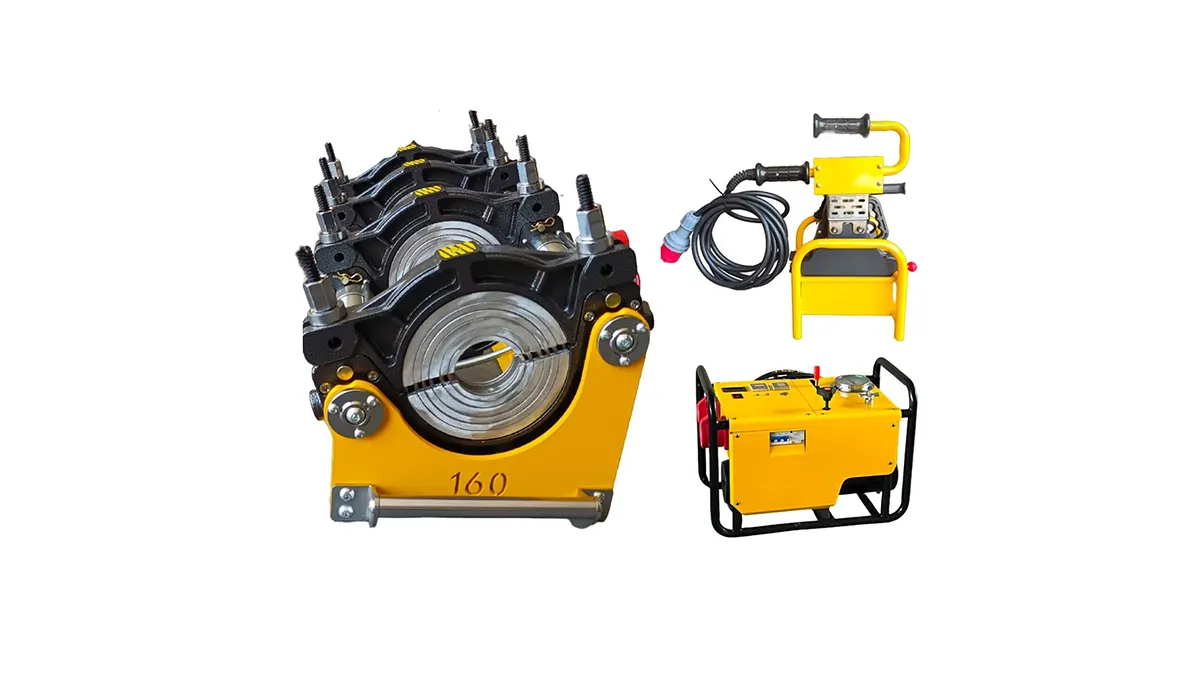
Choosing the right machine depends on project scale, access, and workforce skills. Below is a comparative reference to help Indonesian buyers match machines to field needs.
| Machine Type | Best for | Strengths |
|---|---|---|
| Manual Butt Fusion | Small rural mains, repairs | Portable, low cost, easy to service |
| Hydraulic Butt Fusion | Medium to large mains | High clamping force, stable in-field performance |
| Automatic/CNC Butt Fusion | Urban distribution, high-volume contracts | Consistency, data logging, minimal operator variance |
| Multi-Angle Fitting Machines / Electrofusion | Complex fittings, lateral connections | Precision for tees/branches, ideal for distribution networks |
What to Look For When Purchasing
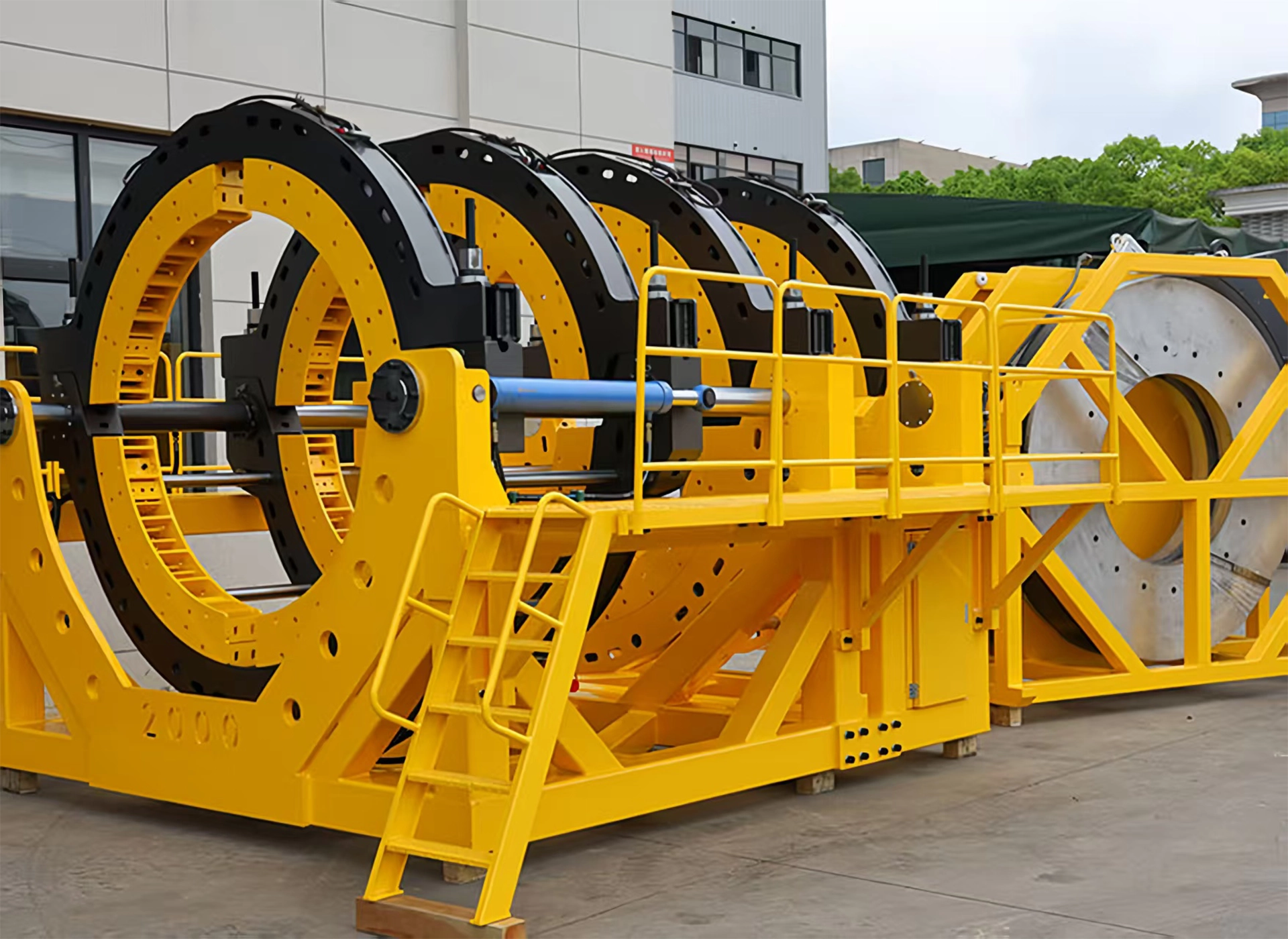
Inspect build quality of the clamp frames, availability of aluminum clamps for corrosion resistance, heating plate uniformity, and ease of calibration. For island deployments, prioritize machines with modular spare parts and simple hydraulic power units.
Field Support, Training & Compliance
Local training in Bahasa and on-site commissioning reduce installation risk. Seek suppliers who provide detailed welding procedures and can support compliance with Indonesian pipeline guidelines and quality control documentation. For product and service details visit JQ-Fusion.
Maintenance Tips & Best Practices
Keep heating plates clean and scratch-free, bleed hydraulic circuits of moisture, and document each weld with time/temperature/pressure logs. In coastal regions, apply protective coatings to exposed fasteners and keep electronics sealed during monsoon seasons.
Quick Buying Checklist for Indonesian Buyers
Confirm: clamp range vs. pipe diameters, spare part kit availability, training offering, warranty and export documentation, and ease of carrying to remote sites. Prioritize machines proven for gas line integrity and long-term field serviceability.
Selecting the right gas line welder in Indonesia means balancing portability, weld quality, and support — choose equipment that simplifies field workflows and protects pipeline safety over decades of service.



