
When planning or upgrading gas distribution infrastructure in Mauritius, choosing the right gas line welder is a critical decision. Island projects—from urban pipeline upgrades in Port Louis to resort and industrial developments across Rodrigues and the outer islands—demand reliable, safe, and efficient welding solutions for HDPE and other thermoplastic gas pipes. This guide helps contractors, utility operators, and project managers select the best butt fusion welding equipment for local conditions and long-term performance.
Why Reliable Gas Line Welders Matter in Mauritius
Gas pipeline integrity is directly tied to public safety, regulatory compliance, and project longevity. Mauritius faces unique challenges: tropical climate effects on installation sites, limited on-island inventory for specialized equipment, and a diverse set of customers—including municipal utilities, hotel and resort developers, and light industrial operators. Selecting welders that deliver consistent fusion joints reduces leak risks and decreases costly rework in remote islands where logistics and downtime are expensive.
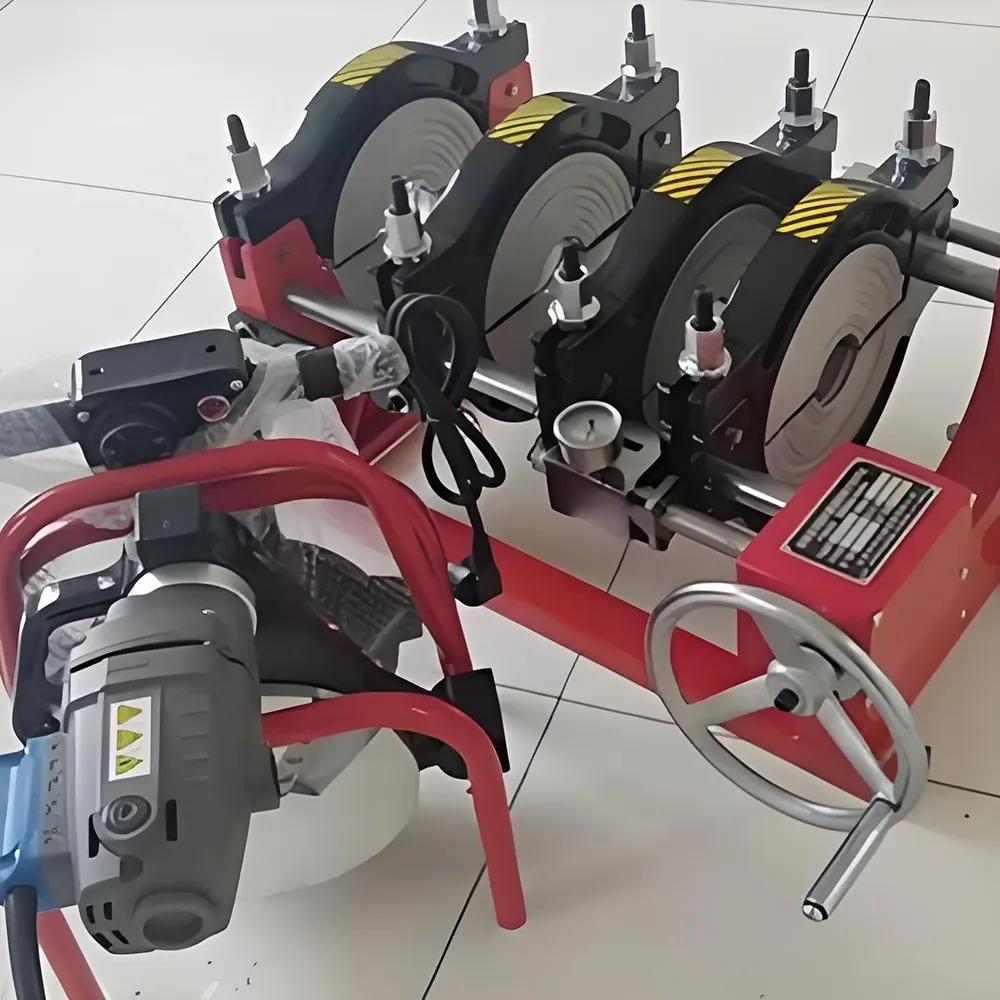
Types of Butt Fusion Welders for Gas Lines
There are three main categories of butt fusion machines used for gas pipelines in Mauritius:
- Manual: Lightweight and portable — ideal for small-diameter repairs and rural installations.
- Hydraulic: Offers higher clamping force and stability for medium to large diameter HDPE pipes.
- Automatic/CNC: Provides precise, repeatable welds for high-volume projects and critical trunk lines where traceability matters.
Quick Comparison
| Model Type | Best For | Pipe Range | Key Benefit |
|---|---|---|---|
| Manual Butt Fusion | Small repair teams, remote sites | 20–160 mm | Portable and cost-effective |
| Hydraulic Butt Fusion | Municipal & industrial mains | 160–800 mm | Stable, durable welds in varied site conditions |
| Automatic/CNC Butt Fusion | High-volume or critical trunk pipelines | 63–630 mm (typical) | High repeatability and data logging |
Safety, Standards & Certification
For gas distribution projects, adherence to industry fusion standards and third-party testing is essential. Choose machines that support documented weld parameters, allow traceable records, and are compatible with certified HDPE gas pipe materials. Local authorities and utility operators in Mauritius expect clear documentation of welding procedures and test results—especially for urban and commercial installations where public safety is paramount.
Maintenance, Training & Local Support
Reliable after-sales support matters more on islands. Prioritize suppliers that provide parts availability, remote technical assistance, and operator training so local teams can perform consistent welds and routine maintenance. Well-trained operators lower failure rates and extend machine life—important when servicing scattered sites across Mauritius and nearby islands.
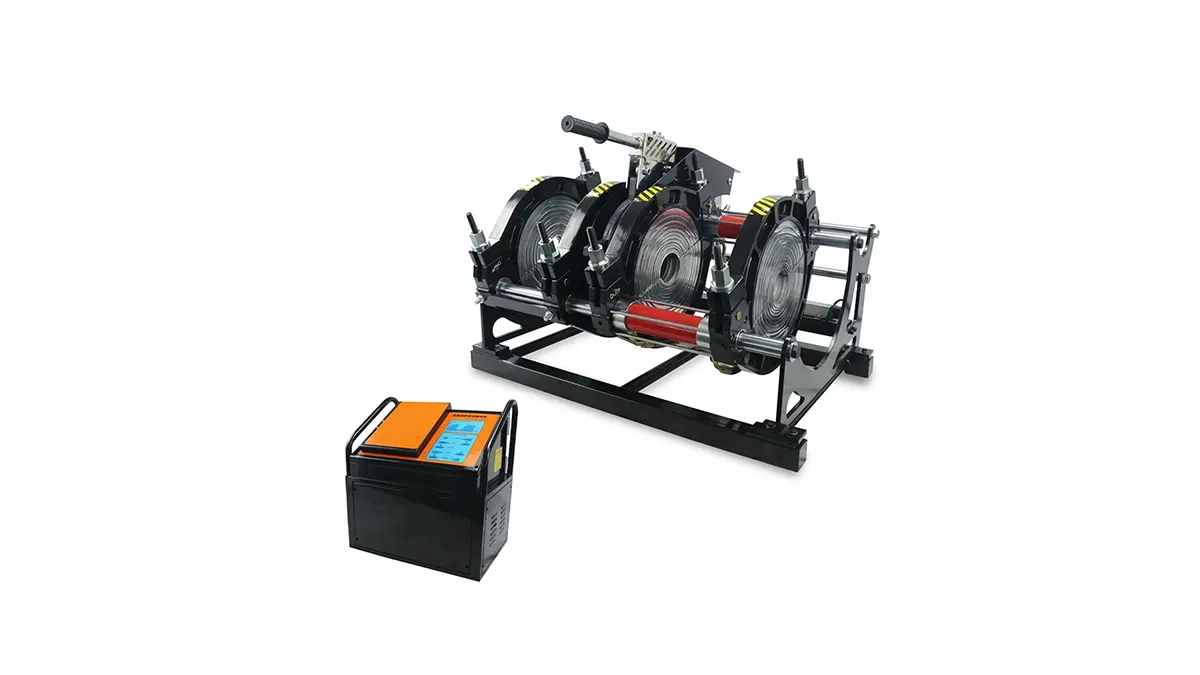
Selecting the Right Partner
For turnkey solutions, consider manufacturers with experience supplying manual, hydraulic, and automatic butt fusion welders for gas distribution, along with responsive logistics and service. JQ-Fusion (https://jq-fusionwelding.com/) offers a wide range of HDPE pipe welding equipment and can support projects across diverse sectors in Mauritius.
Next Steps for Project Teams in Mauritius
Start by specifying pipe material, typical diameters, expected project scale, and on-site conditions. Request equipment datasheets, weld procedure documentation, and references for similar island or coastal projects. A short equipment trial and operator training session will help ensure optimized performance before full production welding begins. For contractors and utility managers in Mauritius, investing in the right welding equipment and training program pays back through improved safety, fewer field reworks, and predictable lifecycle costs.



