
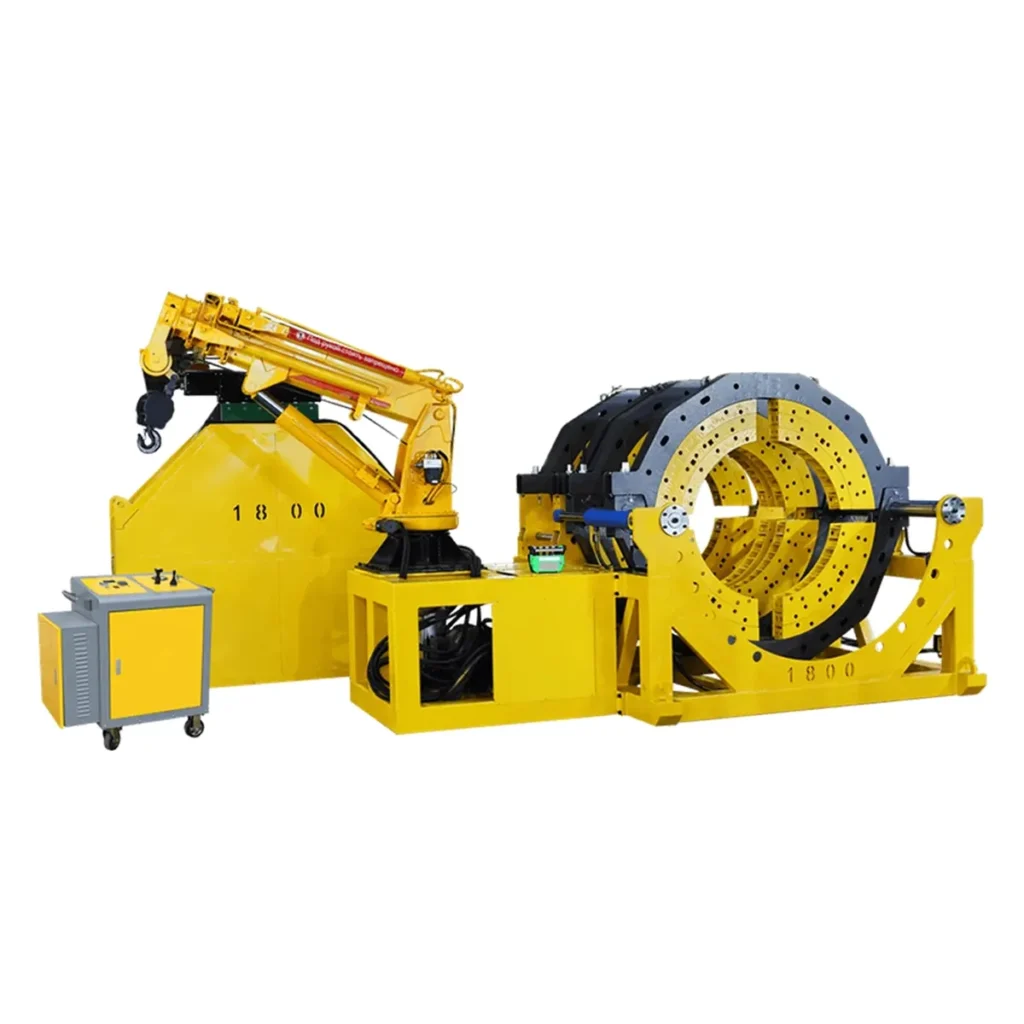
As Egypt accelerates infrastructure growth—from urban gas network expansions in Greater Cairo to rural pipeline upgrades across the Nile Delta and new developments around the Suez and Sinai—reliable HDPE gas line welding equipment becomes essential. JQ-Fusion is a professional manufacturer specializing in HDPE pipe welding machines that deliver consistent butt fusion performance for gas distribution, municipal projects, and industrial pipelines across Egypt.
Why HDPE Butt Fusion Is the Preferred Method for Gas Lines in Egypt
Durability: HDPE joints created by butt fusion resist corrosion, chemical attack and soil movement—critical for pipelines crossing varied Egyptian terrains from desert sands to irrigated farmland.
Leak-Free Performance: Properly fused HDPE delivers homogenous joints with high integrity, reducing gas leakage risk in urban neighborhoods, petrochemical sites, and remote communities.
Adaptability: Butt fusion equipment can be deployed for small-diameter distribution lines to large-diameter transmission mains that support major projects and new cities.
Product Range Tailored to Egyptian Needs
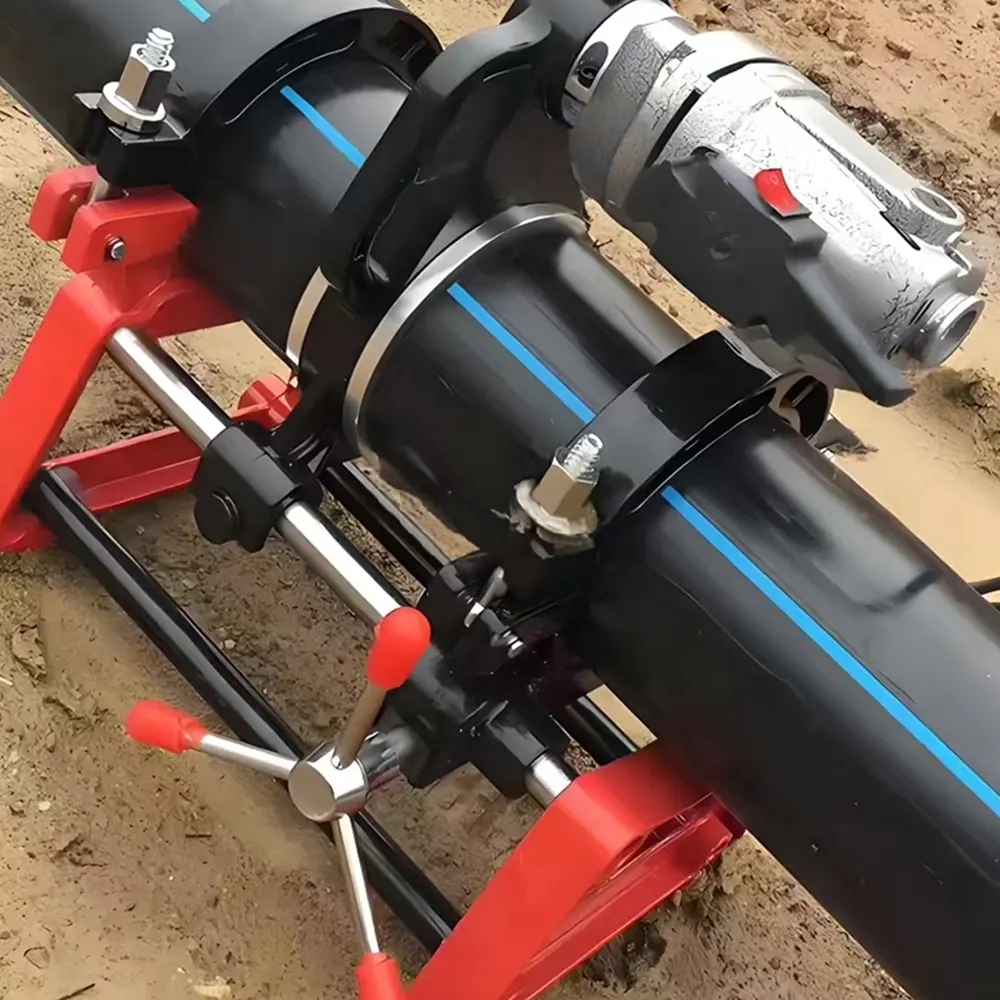
Manual Machines: Cost-effective for local contractors and on-site crews performing smaller diameter connections in peri-urban and rural projects.
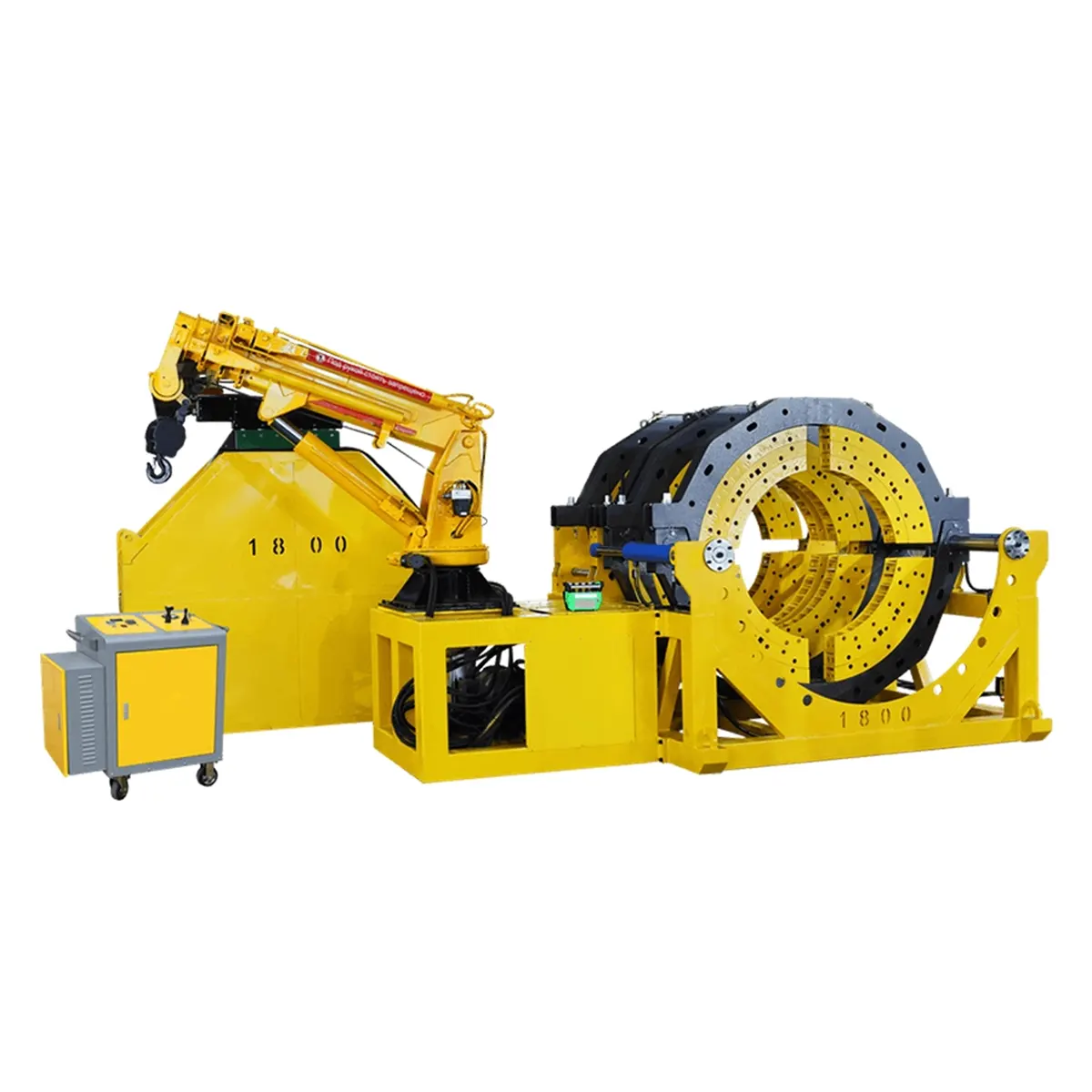
Hydraulic Stations: Robust units for medium to large pipelines where repeatable pressure and alignment are required—well-suited to long-distance distribution corridors.
CNC / Automatic Systems: High-precision solutions used by pipeline contractors on large-scale government or oil & gas installations requiring digital control and data logging.
Key Features & Local Benefits
High Temperature & Dust Resistance: Machines are engineered to operate reliably under Egypt’s hot, dusty conditions and long field shifts.
Portable Options: Mobile models help field teams reach remote Delta villages, desert gas tie-ins, or Suez corridor worksites with minimal logistics hassle.
Localized Support: Spare parts, training programs, and technical documentation are available to speed up deployment and minimize downtime for Egyptian contractors and utilities.
Model Comparison (Representative)
| Model | Welding Range (mm) | Type | Ideal For |
|---|---|---|---|
| Manual Series (e.g., JQM-4M) | 20–630 | Manual | Local distribution, maintenance crews |
| Hydraulic Series (e.g., JQH-800/1800) | 63–2250 | Hydraulic | Medium & large transmission mains |
| Automatic/CNC Series (e.g., JQA-160–630) | 20–630 | Automatic | High-volume contractors, data-driven projects |
On-Site Training, Certification & After-Sales in Egypt
Contractors, utility technicians, and municipal crews in Egypt benefit from hands-on training that covers fusion procedure, equipment calibration, and quality assurance. On-request technical support and spare parts shipping to major Egyptian ports (Alexandria, Damietta, Suez) help keep projects moving—especially during critical pipeline rollouts in new urban developments.
Safety and Compliance Considerations
Industry Standards: Machines support internationally recognized fusion procedures and can be integrated with project QA/QC protocols to meet safety demands for natural gas and LPG distribution.
Operator Safety: Clear controls, guards, and recommended PPE ensure safe operation for field crews working in confined urban trenches or exposed desert sites.
Selecting the Right Welder for Your Egyptian Project
Assess project scale, pipe diameter range, field conditions (heat, sand, mobility), and the level of automation required. For many local contractors, a mix of portable manual units for small jobs and hydraulic or CNC solutions for larger, long-term projects offers the best balance of cost, speed, and weld quality.
If you’re specifying equipment for gas distribution or industrial pipelines in Egypt, explore the manufacturer’s website for detailed specifications, manuals, and contact options to arrange demonstrations and local support: manufacturer’s website.



