
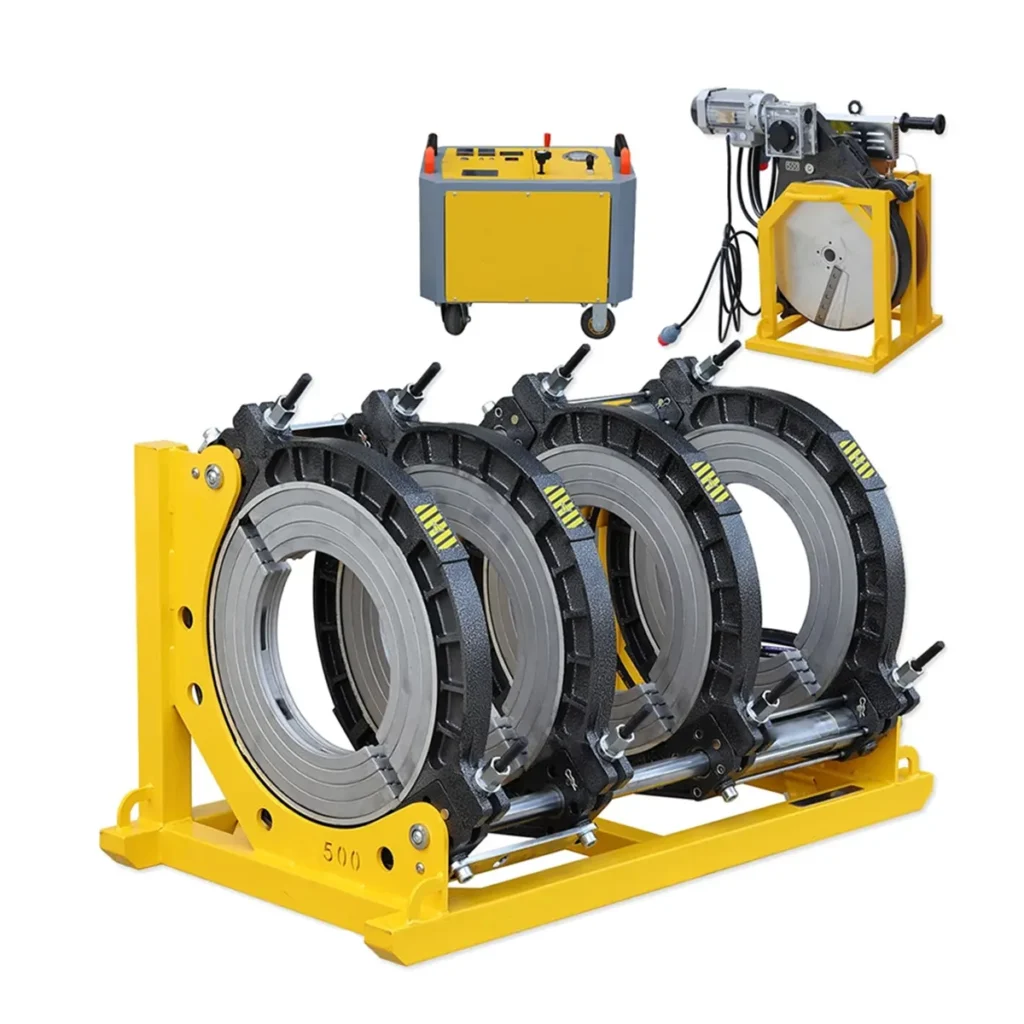
The safety and reliability of gas distribution networks in South Korea depend heavily on skilled welding and proper fusion techniques. From urban mains in Seoul to industrial pipelines in Busan and Incheon, experienced gas line welders ensure leak-free joints and long-term integrity for HDPE and other plastic piping systems.
Why Choose Professional Gas Line Welders in South Korea
South Korea’s dense cities and modern infrastructure require welders who understand local codes, seasonal conditions, and site constraints. Trained welders reduce risk by following approved welding procedures, documenting fusion parameters, and performing thorough inspections. Certified workmanship not only protects communities but also extends the service life of pipelines.
Key local considerations include adherence to standards enforced by Korea Gas Safety organizations, navigating narrow urban workspaces, and coordinating with municipal utilities. Welders familiar with these conditions can complete projects faster while maintaining strict quality control.
Core Skills and Certifications to Look For
When hiring a gas line welder in South Korea, prioritize candidates who demonstrate:
• Proven experience with HDPE butt-fusion and electrofusion techniques.
• Knowledge of Korean gas safety procedures and local permitting process.
• Ability to document weld records, including temperatures, pressures, and heating times.
• Familiarity with site safety, trenching protocols, and environmental protection measures.
Welding Technologies Used on Korean Pipelines
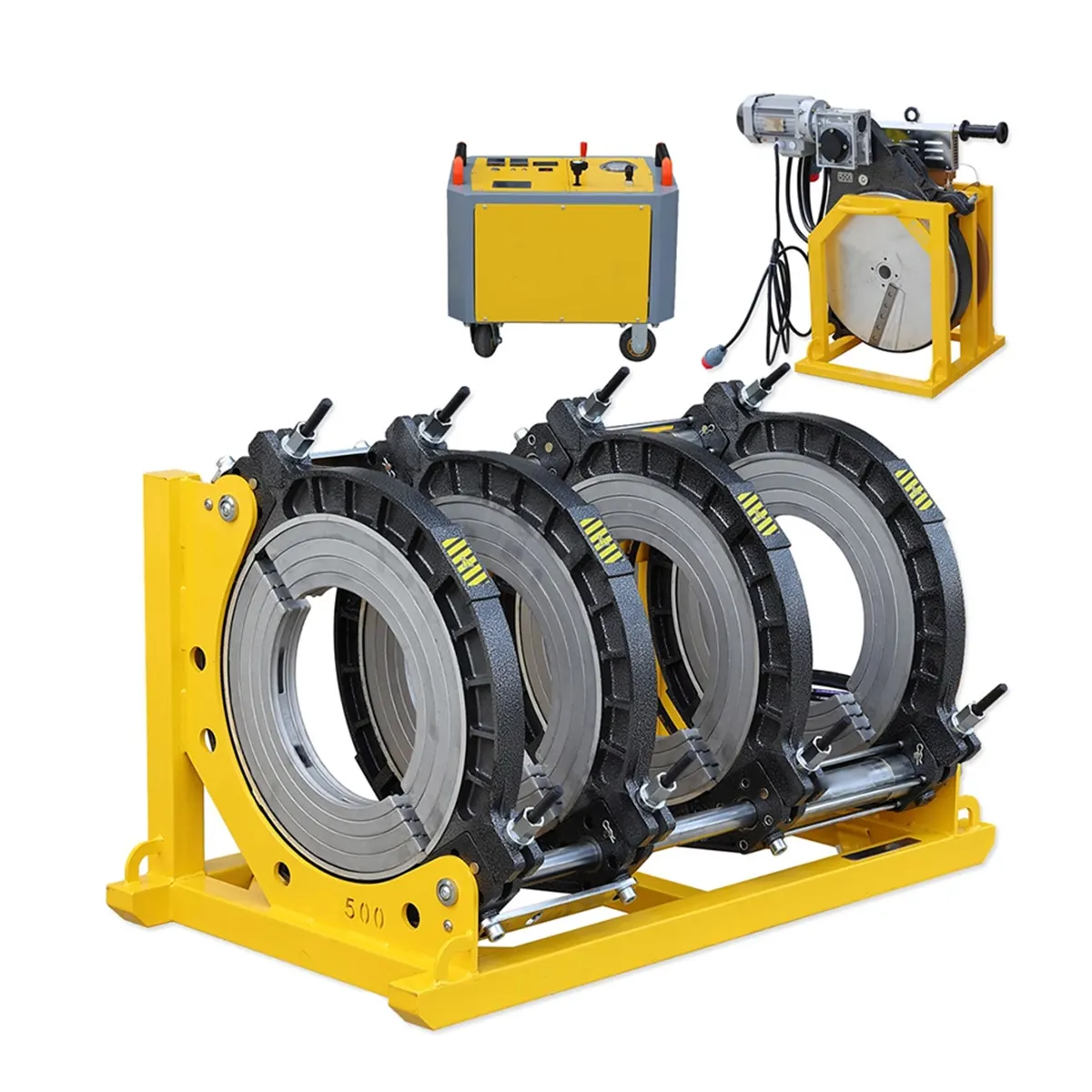
Choosing the right welding equipment affects weld quality and project efficiency. Below is a quick comparison of common machine types used across South Korea’s gas projects:
| Machine Type | Best For | Advantages |
|---|---|---|
| Manual Butt Fusion | Small jobs, remote sites | Portable, low cost, flexible |
| Hydraulic Butt Fusion | Medium to large diameter pipelines | High consistency, faster cycle times |
| Automatic CNC Butt Fusion | Large-scale, high-production projects | Precise control, full data logging |
Safety Practices and Weld Documentation
Reliable welds begin with pre-weld inspection: material verification, pipe cleaning, and facing. Properly trained welders execute fusion cycles and record weld logs to provide traceability. In South Korea, clear documentation helps with regulatory inspections and future maintenance planning.
Optimizing Pipeline Projects in South Korea
To maximize safety and efficiency on Korean gas projects:
• Use machines matched to pipe diameter and project scale.
• Employ welders with local experience and proper certification.
• Maintain detailed fusion records for QA and regulatory compliance.
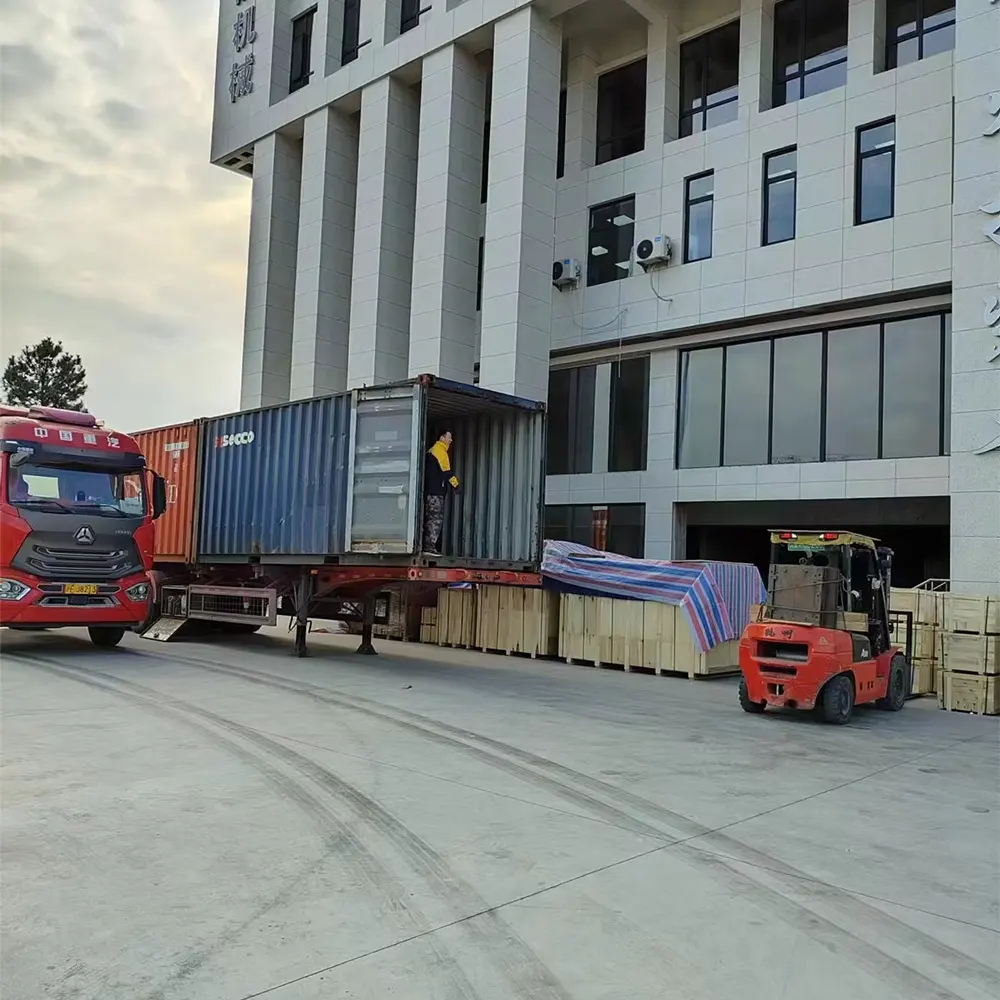
• Plan logistics for urban work zones and minimize public disruption.
How JQ-Fusion Supports Gas Line Welding
JQ-Fusion (https://jq-fusionwelding.com/) manufactures a wide range of HDPE butt fusion machines — manual, hydraulic, and automatic — designed to meet the demands of gas distribution and infrastructure projects. Their equipment helps Korean contractors achieve consistent, documented welds across pipe sizes and site conditions.
Contact a local welding team with proven HDPE fusion experience to ensure your gas pipeline installation is safe, compliant, and durable.



