
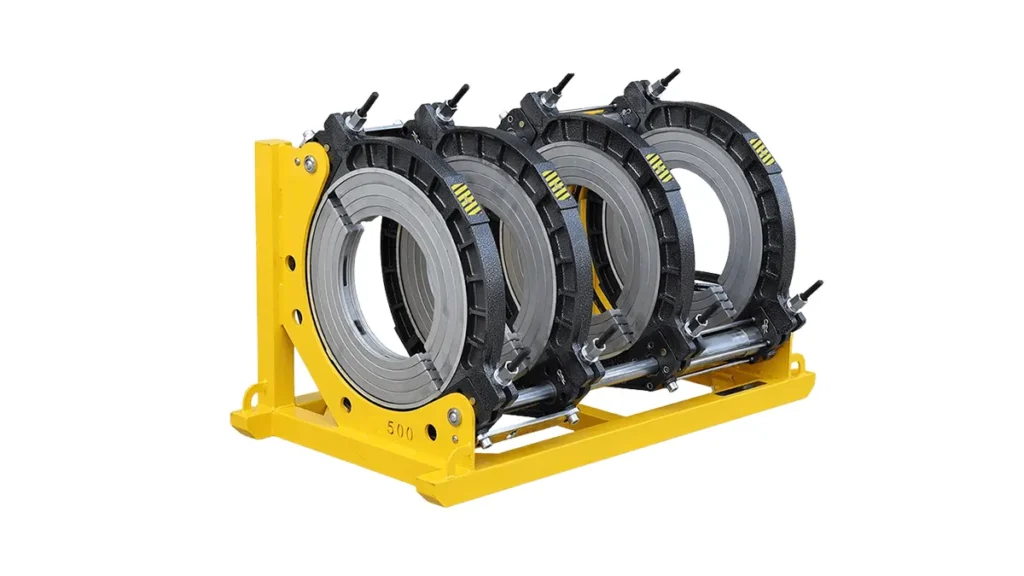
Algeria’s expanding infrastructure — from coastal cities like Algiers and Oran to desert mining and irrigation projects across the Sahara — requires dependable pipe-joining solutions. Fusion welding machines for HDPE and PE pipes deliver leak-free joints, high durability, and fast installation cycles. This guide helps contractors, municipal engineers, and procurement teams find reliable fusion welding machine suppliers and select the right equipment for Algerian projects.
Why Fusion Welding Is Ideal for Algerian Pipelines
Butt fusion and electrofusion processes create homogeneous joints that match the pipe material, avoiding corrosion and reducing long-term maintenance costs. For Algeria, where gas distribution, drinking water networks, irrigation, and mining pipelines face harsh climates and remote locations, fusion welding offers:
– Robust, flexible joints that withstand temperature swings and soil movement.
– Reduced risk of leaks compared with mechanical fittings or solvent joints.
– On-site adaptability: manual, hydraulic, and CNC automatic machines cover everything from small-diameter service lines to large-diameter trunk mains.
Popular Machine Types and Typical Use Cases
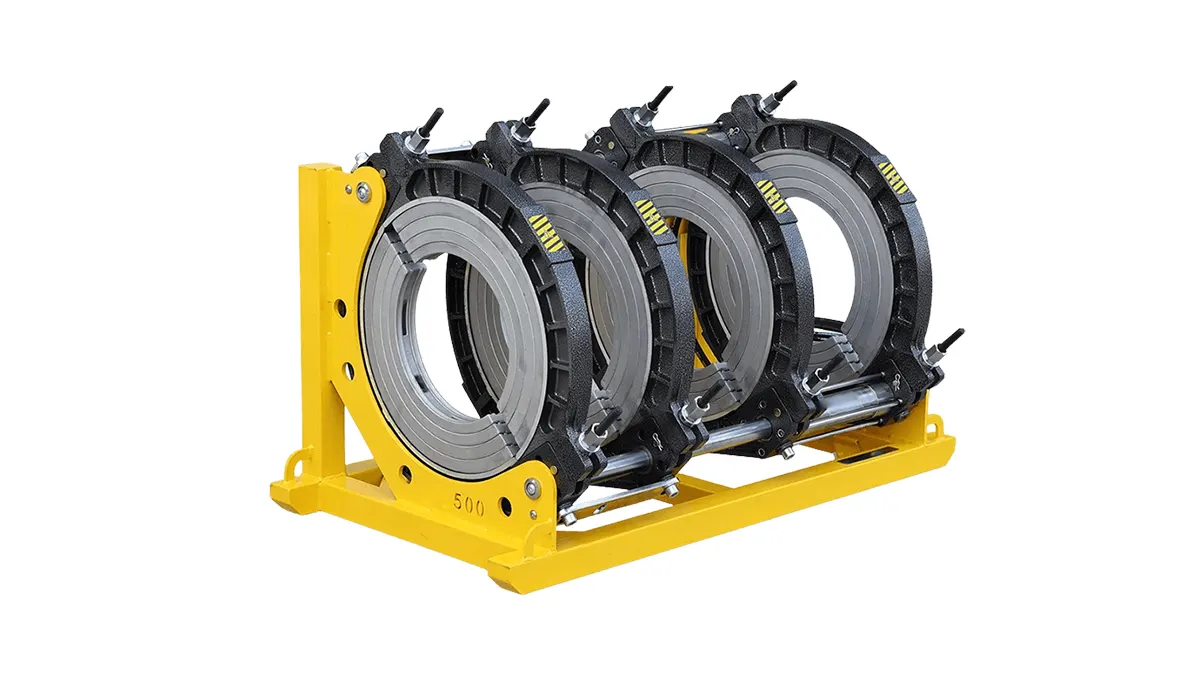
Manual Butt Fusion Machines — Ideal for small-diameter pipes and remote sites where portability and simplicity matter.
Hydraulic Butt Fusion Machines — Provide higher clamping force and speed for mid-to-large diameter pipelines used in municipal water and gas distribution.
Automatic & CNC Butt Fusion Machines — Best for high-volume, precision welding in factory or large-scale field projects like regional trunklines and industrial networks.
| Machine Type | Typical Diameter Range | Best For |
|---|---|---|
| Manual Butt Fusion | 20mm – 315mm | Rural service lines, small contractors |
| Hydraulic Butt Fusion | 63mm – 1250mm | Municipal water, gas mains, industrial pipelines |
| Automatic / CNC Butt Fusion | 160mm – 1250mm+ | High-precision trunklines, factory welding |
Local Advantages and Project Fit in Algeria
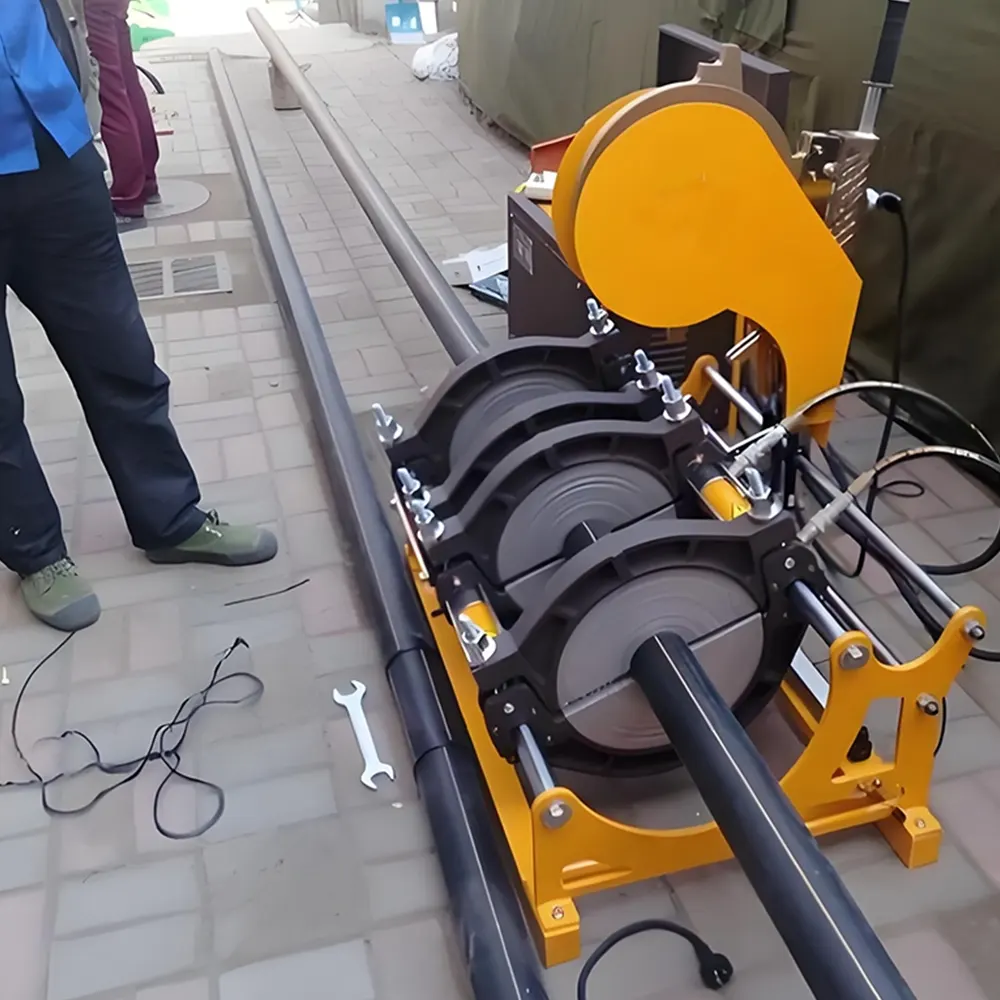
Algerian projects have varied demands: coastal desalination and municipal networks require corrosion-resistant, long-life joints; inland oil and gas distribution networks demand reliability under pressure; and irrigation systems need cost-effective, fast installation. Fusion welding addresses all these by offering uniform weld strength, field-tested performance in high temperatures, and scalability for both small repair jobs and extensive pipeline corridors across the Sahara.
Service, Training & Spare Parts
For success on Algerian sites, suppliers should provide on-site training for local crews, rapid spare parts access, and technical documentation. Consider machines with modular components and local service partner networks to minimize downtime. For turnkey supply, inspection, and commissioning support, look for vendors who commit to long-term aftersales support.
Buying Tips for Algerian Buyers
– Choose machines sized for your most common pipe diameters, not just the maximum capability.
– Verify power source options (diesel/hydraulic/electric) suitable for remote sites.
– Ensure compliance with international standards and request welding procedure documentation for QA.
– Ask about operator training, maintenance kits, and warranty coverage.
How to Request Quotes and Technical Details
When requesting quotations, include the pipe material and SDR, typical joint counts per day, site power availability, and temperature ranges. This helps suppliers recommend manual, hydraulic, or automatic models optimized for Algerian conditions. For an experienced manufacturer specializing in HDPE butt fusion equipment, consider contacting JQ-Fusion (https://jq-fusionwelding.com/) for machine options, specifications, and support tailored to your project.
Ready to specify fusion welding equipment? Provide your project scope and pipe sizes to receive a tailored recommendation and competitive quote from experienced suppliers.



