
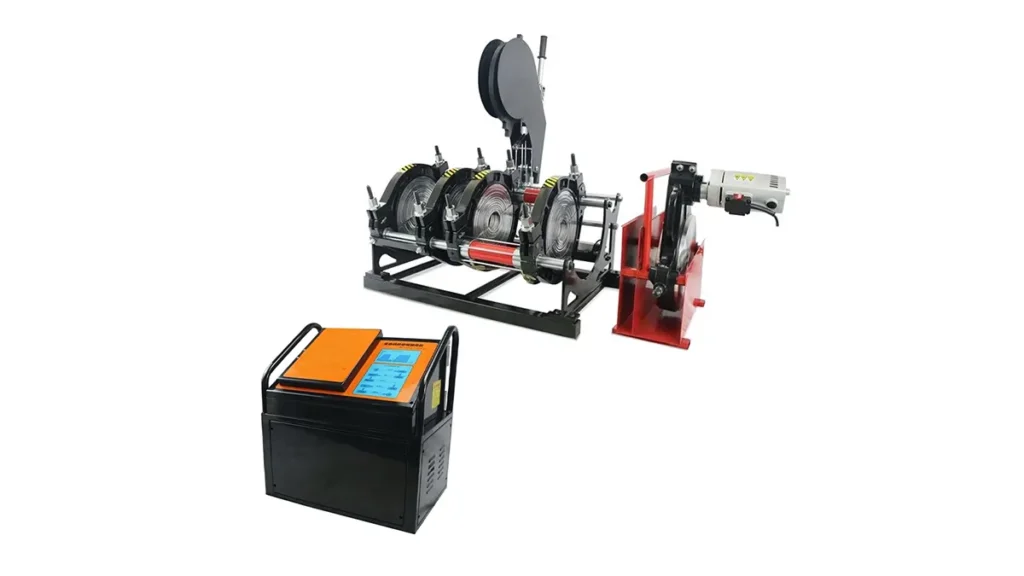
Morocco’s infrastructure growth — from municipal water networks and large-scale irrigation projects in the Souss-Massa region to mining and gas distribution near Khouribga and Casablanca — demands durable, leak-free pipe connections. Reliable HDPE and plastic welding solutions are essential for long-term performance in the country’s varied climates and terrains.
Why Butt Fusion Is the Preferred Method in Morocco
Butt fusion welding creates homogenous, full-strength joints ideal for potable water, irrigation canals, sewage systems, and industrial pipelines. In Morocco, where projects often must meet strict durability and regulatory requirements, butt fusion reduces maintenance costs and minimizes leakage risks compared with mechanical fittings.
Local Needs and Practical Advantages
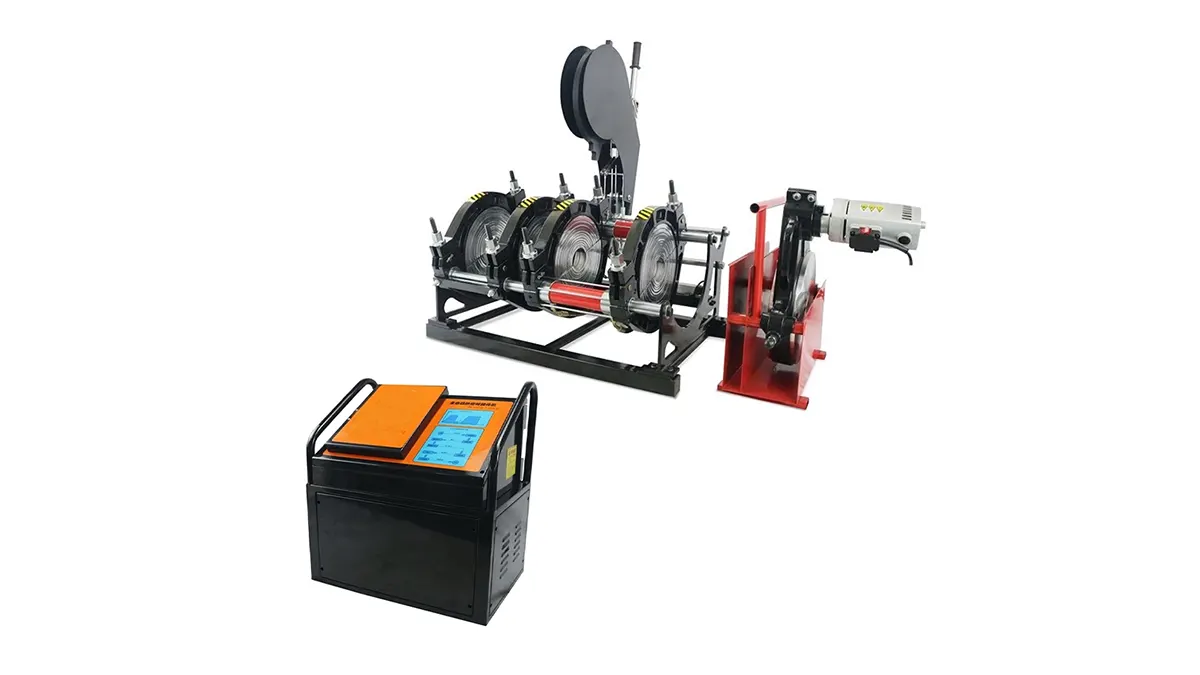
Durability: HDPE joints resist corrosion and chemical attack — important for coastal ports like Tangier and Agadir. Efficiency: Fast fusion cycles mean contractors can meet tight delivery schedules across rural and urban sites. Adaptability: Machines range from compact manual units for remote irrigation works to CNC automatic systems for large municipal pipelines.
Machine Comparison — Choose According to Project Scale
| Machine Type | Typical Size Range | Key Benefit | Common Moroccan Applications |
|---|---|---|---|
| Manual Butt Fusion | 20–315 mm | Portable, cost-effective | Small irrigation networks, repairs |
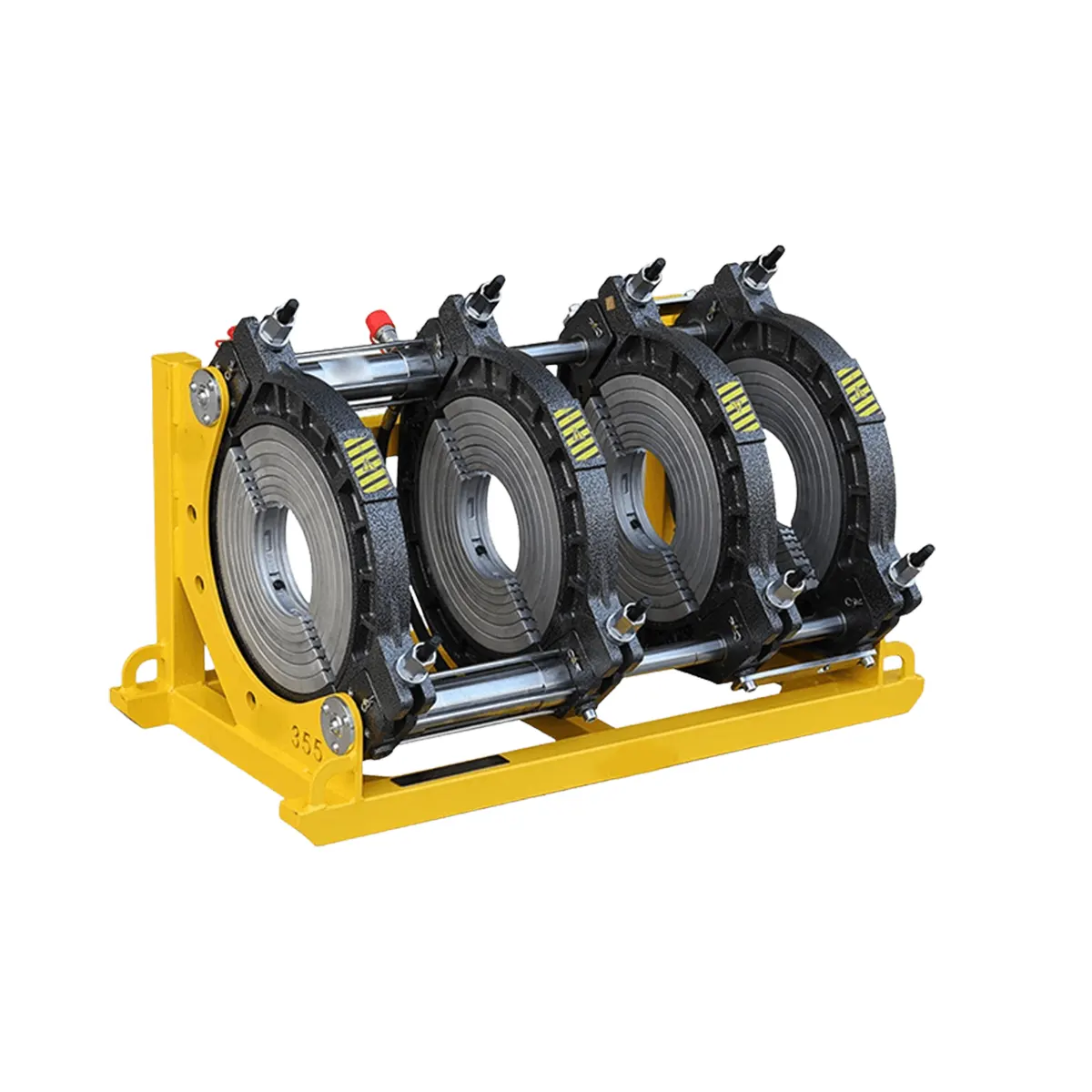
| Hydraulic Butt Fusion | 160–2250 mm | High force, precise alignment | Municipal water, sewer mains |
| Automatic/CNC Fusion | 200–1600+ mm | Repeatable precision, digital control | Large pipeline projects, EPC contractors |
| Multi-Angle Fitting Machines | Fittings up to large diameters | Specialized angles and tee welding | Complex distribution networks, factories |
Key Features Moroccan Buyers Should Prioritize
Portability: For remote agricultural works in the Souss and Draâ basins, light and easy-to-transport units are crucial.
Power Options: Machines with flexible power inputs or diesel-driven hydraulic units perform reliably in sites with limited grid access.
Automation & Traceability: CNC and automatic units with digital records help meet international QA/QC standards used by Moroccan utilities and international funders.
Installation, Training and Support in Morocco
Successful deployment depends on local training in French or Arabic, on-site commissioning, and timely spare parts. Morocco’s major ports—Casablanca, Tangier Med, and Agadir—facilitate fast logistics. Look for suppliers who provide operator training, welding procedure specification (WPS) guidance, and maintenance plans suited to Morocco’s project timelines.
Service & Warranty Snapshot
| Service | What to Expect |
|---|---|
| Operator Training | On-site sessions in French/Arabic, practical fusion certification |
| Parts & Spare Kits | Consumables, heating plates, and hydraulic seals stocked for quick replacement |
| Technical Support | Remote troubleshooting and documentation for local contractors |
Selecting the Right Supplier
When sourcing fusion welding equipment for Moroccan projects, evaluate supplier experience in HDPE pipe welding, ability to deliver tailored solutions for project scale, and readiness to provide training and after-sales support. One professional manufacturer with global infrastructure experience and a wide product range is available to support Morocco’s pipeline initiatives: JQ-Fusion.
Final Tips for Moroccan Contractors
Plan for climate and terrain: Choose machines with corrosion-resistant components for coastal works and robust transportability for mountainous or rural sites.
Prioritize certification: Ensure welding records and procedures meet local authority and international standards to simplify approvals and funding compliance.
Ready to upgrade pipeline reliability? Match your project needs—manual, hydraulic, or automatic fusion systems—and secure skilled training to maximize lifetime performance.



