
Georgia’s booming infrastructure and utility projects demand reliable fusion welding solutions for HDPE pipelines — from municipal water upgrades in Atlanta to large agricultural and industrial installations around Savannah and Augusta. For contractors and engineers seeking proven butt fusion equipment and technical support, JQ-Fusion offers a range of machines engineered for accuracy, durability, and field reliability.
Why Butt Fusion Welding Is the Right Choice for Georgia Projects
Butt fusion creates homogeneous, leak-free joints ideal for Georgia’s variable climate and soil conditions. Municipal utilities, gas distributors, and irrigation contractors prefer this method because it delivers consistent strength and excellent chemical resistance for HDPE systems. Lower lifecycle costs and minimal maintenance make butt fusion a practical investment for long-term infrastructure performance.
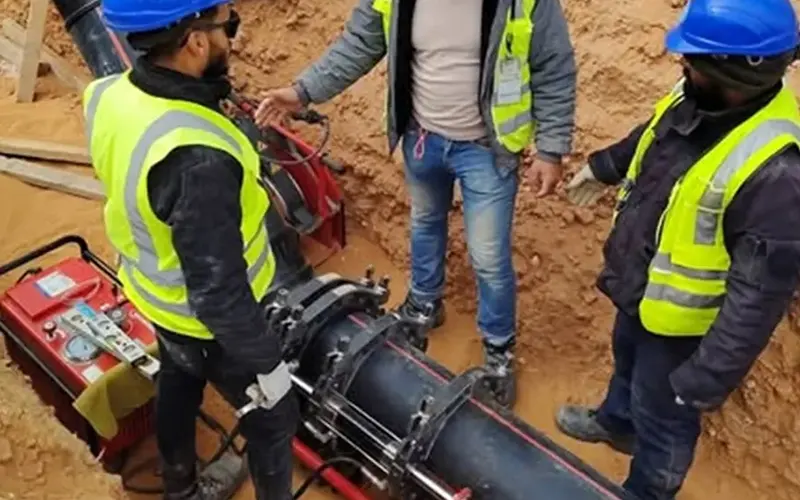
Machine Types Suited to Local Needs
Different Georgia applications require different machine categories. Manual units are perfect for small-diameter repairs and tight urban sites, hydraulic models speed up medium to large pipeline installations, and CNC automatic machines bring precise control for industrial or long-run projects. Choosing the right class reduces onsite rework and speeds project delivery.
Quick Comparison
| Machine Type | Typical Pipe Range | Best For |
|---|---|---|
| Manual Butt Fusion | 20mm–630mm | Small repairs, constrained sites |
| Hydraulic Butt Fusion | 63mm–2250mm | Municipal pipelines, long runs |
| Automatic/CNC Fusion | 160mm–1600mm+ | Industrial projects, precision welds |
Key Features to Prioritize
Alignment precision — prevents weak joints and reduces scrap. Stable heating plates — ensure uniform melt and strong fusion. Look for machines with clear controls, robust clamps, and easy-to-service components to keep downtime minimal on busy Georgia job sites.
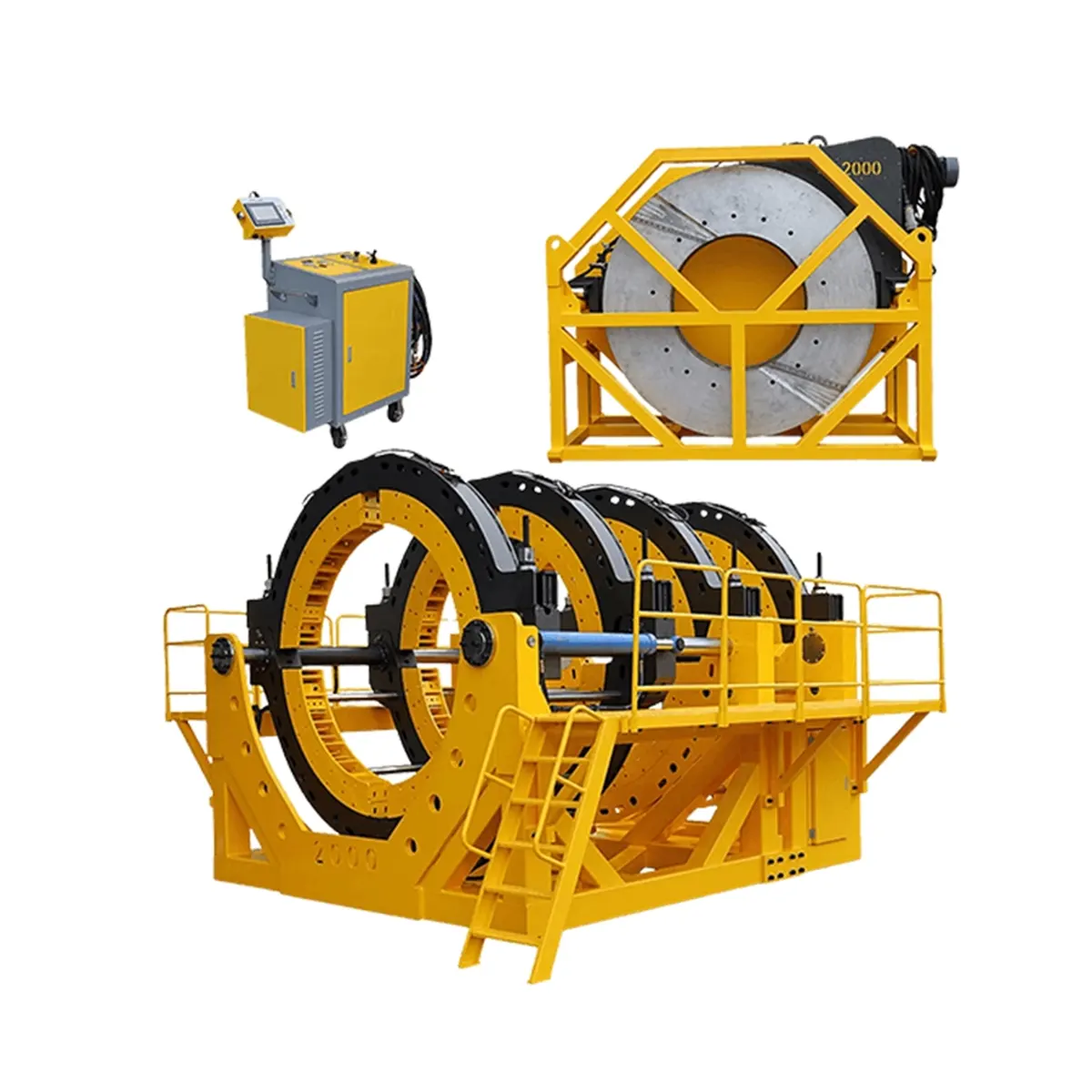
Considerations for Georgia Contractors and Utilities
Georgia projects vary from urban replacement works to coastal and agricultural networks. For contractors working in humid coastal zones or cold-season repairs in northern parts of the state, choose equipment with corrosion-resistant finishes and reliable hydraulic systems. Port and industrial installations often require large-diameter machines and precise automation to meet tight tolerance standards.
Service, Training & Spare Parts
Local crews benefit from hands-on training and accessible spare parts. Prioritize suppliers who provide operation training and timely technical assistance to minimize schedule risks. Machines designed for easy field servicing reduce project delays and keep crews productive across multiple sites.
Technical Snapshot — Typical Model Capabilities
| Model Example | Pipe Diameter | Control Type | Ideal Application |
|---|---|---|---|
| JQH Series | 160mm–2250mm | Hydraulic | Large municipal & industrial |
| JQA Series | 160mm–630mm | Automatic/CNC | Precision production & long runs |
| Manual Series | 20mm–250mm | Manual | Repair & small-diameter work |
Final Tips for Buyers in Georgia
When selecting fusion equipment for projects across Georgia, weigh machine capacity against typical job sizes, confirm local support options, and verify training availability for crew certification. Investing in the right fusion welding system yields faster installations, longer pipeline life, and measurable cost savings over time.
If you’d like product details, specifications, or assistance selecting the best fusion welding machine for a specific Georgia project, visit the manufacturer’s website for model brochures and support resources.



