
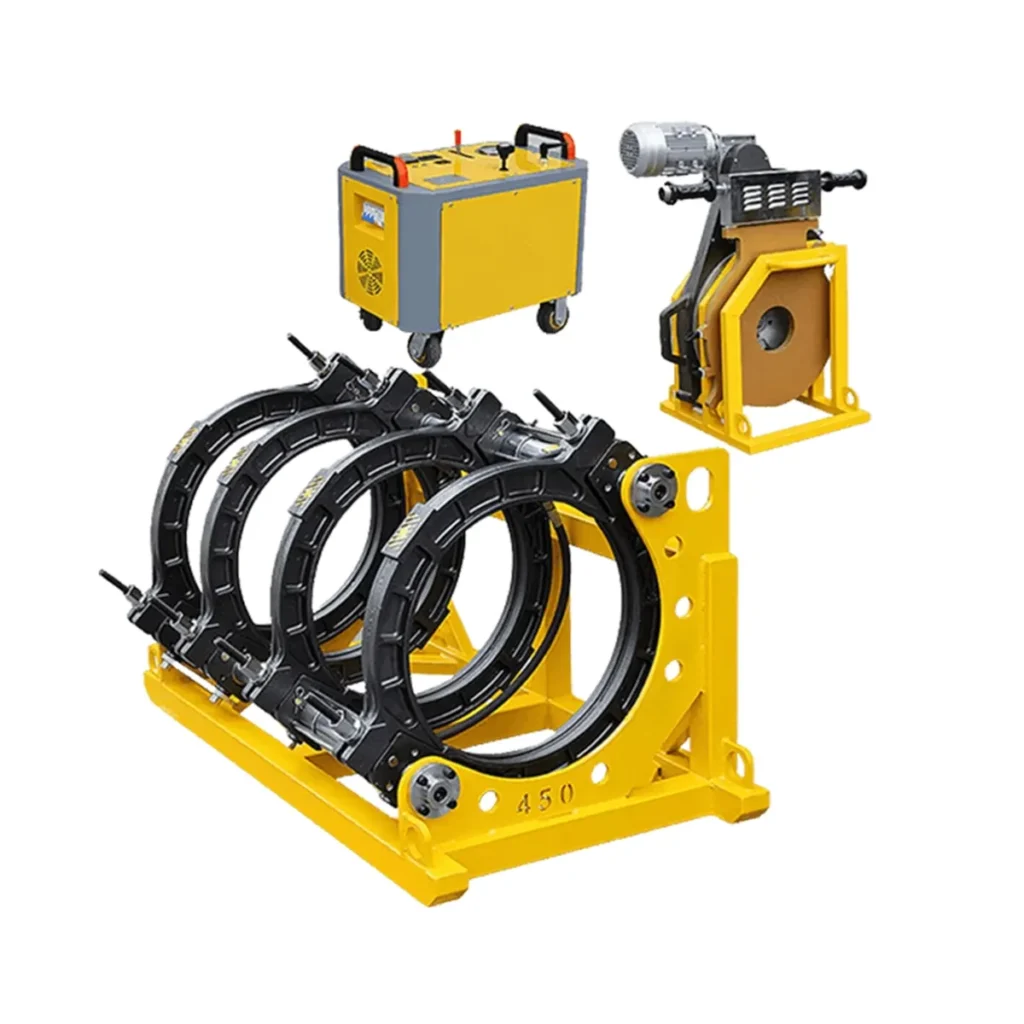
In Canada’s booming infrastructure market, choosing the right fusion welding equipment is critical for durable, leak-free HDPE pipeline joints. From municipal water mains in Ontario to remote oil and gas feeder lines in Alberta, reliable butt fusion machines reduce downtime, improve safety, and ensure long-term performance in harsh climates and rugged terrains.
Why Butt Fusion Matters for Canadian Pipeline Projects
HDPE joints formed by butt fusion offer superior resistance to corrosion, chemical exposure, and freeze-thaw cycles — all key concerns for Canadian engineers. Well-executed fusion welding creates homogeneous, leak-proof connections that minimize maintenance over decades, which is essential for long-distance mains, buried services in cold regions, and mining operations in the north.
Common Applications Across Canada
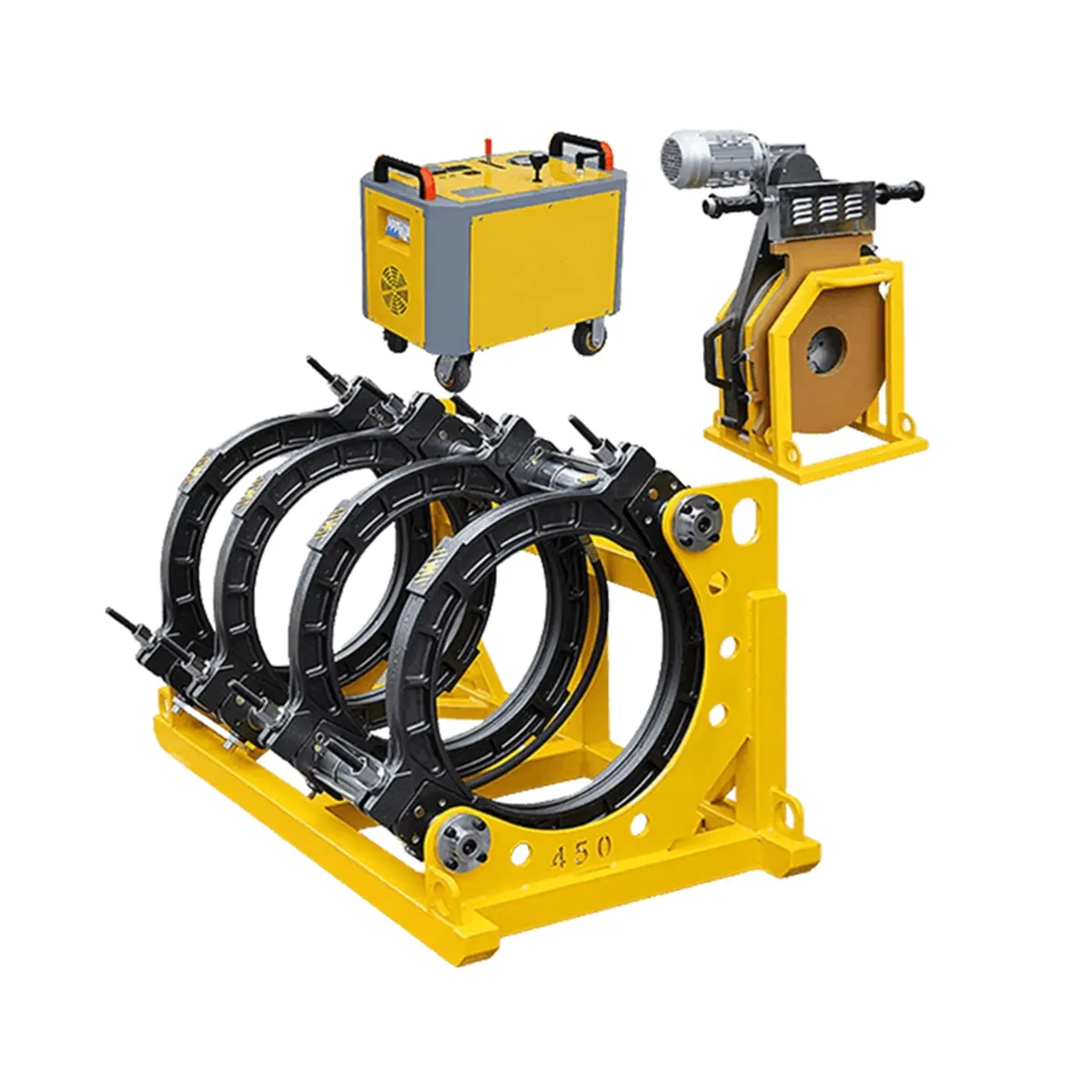
Municipal water distribution, gas distribution networks, industrial process piping, mine dewatering, and renewable energy installations all benefit from precision butt fusion. Remote work sites and seasonal access restrictions make machine reliability and ease-of-use top priorities for Canadian contractors.
Equipment Types & Advantages
Project size and site conditions determine the best welding machine choice. Basic manual units suit small-diameter repairs, while hydraulic and CNC automatic machines boost throughput for large-diameter mains and high-volume fabrication yards.
Quick Comparison Table
| Model / Type | Pipe Diameter Range | Ideal Use |
|---|---|---|
| Manual Butt Fusion | Small to Medium (up to 315mm) | Service repairs, small site works |
| Hydraulic Butt Fusion | Medium to Large (160mm–1600mm+) | Municipal mains, industrial lines |
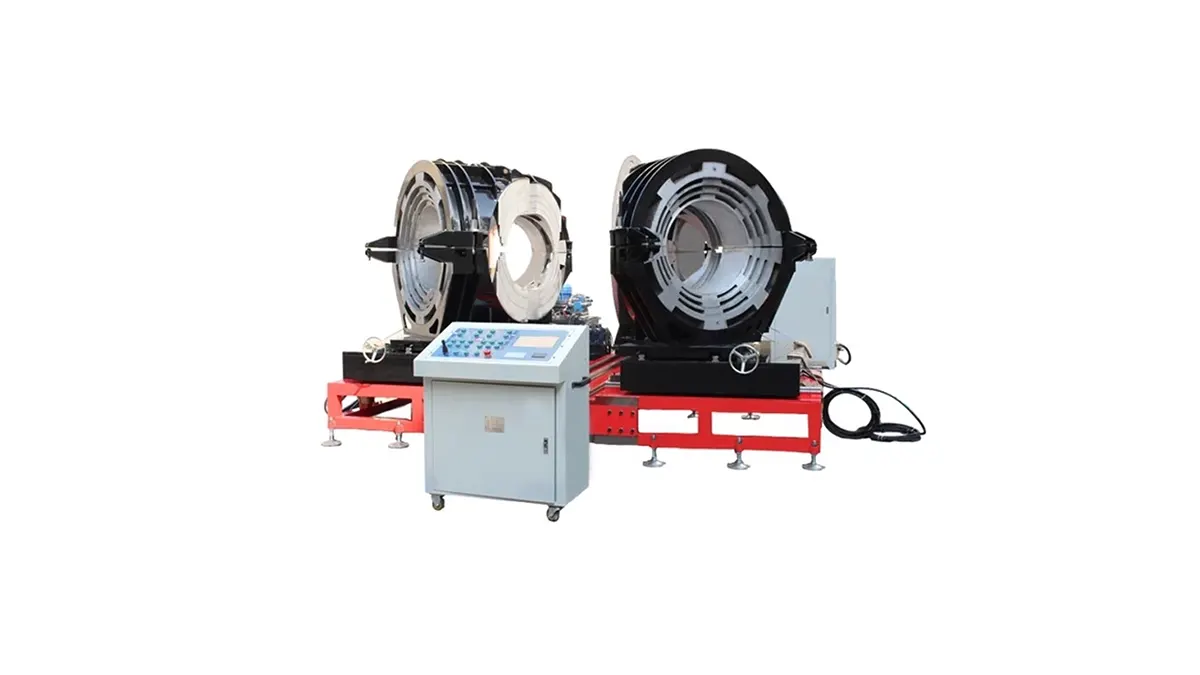
| CNC Automatic Fusion | Wide range; high precision | High-volume fabrication, quality-controlled plants |
| Multi-Angle Fittings Machine | Fittings for varied diameters | Complex fitting assemblies, prefabrication |
Trusted Manufacturer Profile
JQ-Fusion is a professional manufacturer specializing in HDPE pipe welding machines, offering manual, hydraulic, and CNC automatic butt fusion solutions that support water supply, gas distribution, mining, and industrial pipeline systems worldwide. Visit their site: https://jq-fusionwelding.com/
Selecting the Right Machine for Canadian Conditions
- Cold-weather readiness: Choose machines and heating plates rated for low-temperature startup and insulated transport cases for winter projects.
- Mobility: Trailer or skid-mounted units simplify access to remote sites common in northern provinces.
- Certification & Documentation: Ensure welding logs, traceability, and operator training records meet provincial and federal procurement requirements.
Field Support & After-Sales Considerations
Local availability of spare parts, on-site commissioning, and operator training shorten schedules and improve weld quality. For Canadian projects, prioritize vendors offering remote support and comprehensive service kits to reduce downtime in remote or seasonal-access locations.
Procurement Checklist
Before purchase, confirm: power options (diesel/generator/electric), transport dimensions, maximum pipe diameter, warranty terms, and availability of training or certified technicians to operate the equipment safely and in compliance with local regulations.
Next steps: Evaluate machine types against your project scope, seasons, and logistics. For competitive tenders and long-term pipeline programs across Canada, choosing the right fusion welding solution early saves cost and risk during construction and operation.



