
Electrofusion welding machines are essential for reliable HDPE pipe joining across Pakistan’s expanding water, gas and irrigation networks. From busy urban projects in Karachi and Lahore to remote irrigation pipelines in Sindh and Punjab, choosing the right electrofusion equipment improves joint integrity, reduces leak risk, and speeds up installation under local site conditions.
Why Electrofusion Works Well for Pakistani Infrastructure
Electrofusion offers consistent, high-strength joints that are ideal for Pakistan’s varied climate and infrastructure demands. Contractors, municipal agencies and rural irrigation authorities benefit from:
- Leakproof connections — critical for water conservation and gas safety in urban networks managed by WASA and regional gas companies.
- Fast, on-site welding — reduces downtime on road and pipeline projects, especially important during tight construction windows.
- Compatibility with standard HDPE fittings used in municipal, agricultural and industrial projects across Pakistan.
- Reduced need for skilled labor at every joint when using user-friendly, portable electrofusion units.
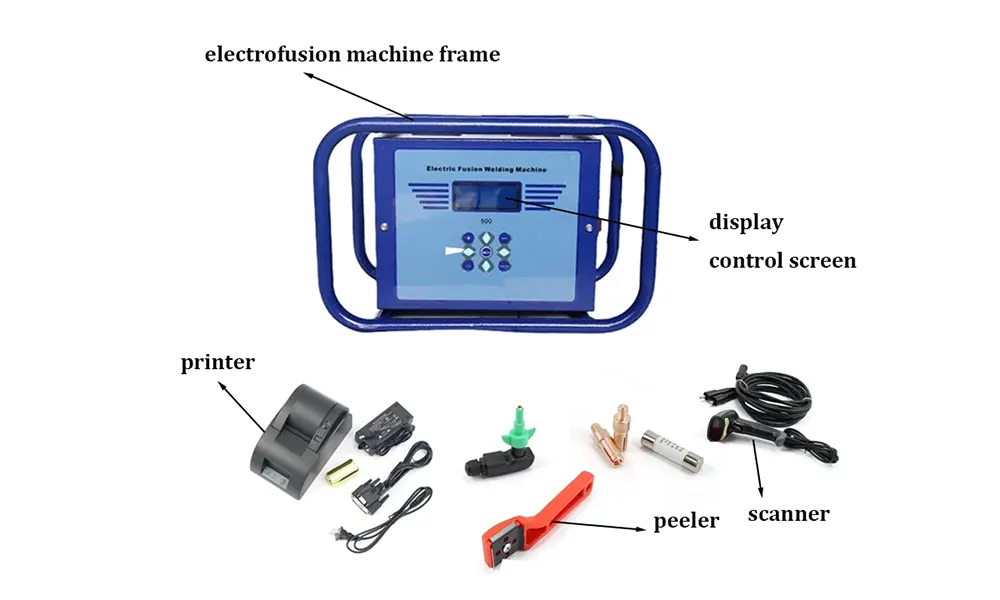
Types of Electrofusion Welding Machines and Typical Uses
Choosing the right machine depends on pipe diameter, site power availability and project scale. Below is a quick comparison tailored to common Pakistani applications:
| Machine Type | Best For | Key Advantage |
|---|---|---|
| Portable Electrofusion Unit | Small-diameter urban repairs, field teams | Battery operation and easy transport |
| Benchtop / Stationary Units | Control-room or workshop welding of fittings | High precision and repeatability |
| Automatic / Integrated Systems | Large-diameter lines, utility-scale projects | Faster cycle times and automated records |
Selecting the Right Electrofusion Machine for Pakistan
When evaluating machines for use in Pakistan, consider:
- Local power stability — prefer models with battery-backup or low-voltage tolerance for rural sites.
- Portability — many maintenance crews need compact units for roadside or agricultural pipeline repairs.
- Service and spare parts availability — minimize downtime with accessible support and consumables.
- Compliance with local utility specifications — ensure weld records and fusion parameters meet standards required by municipal and gas authorities.
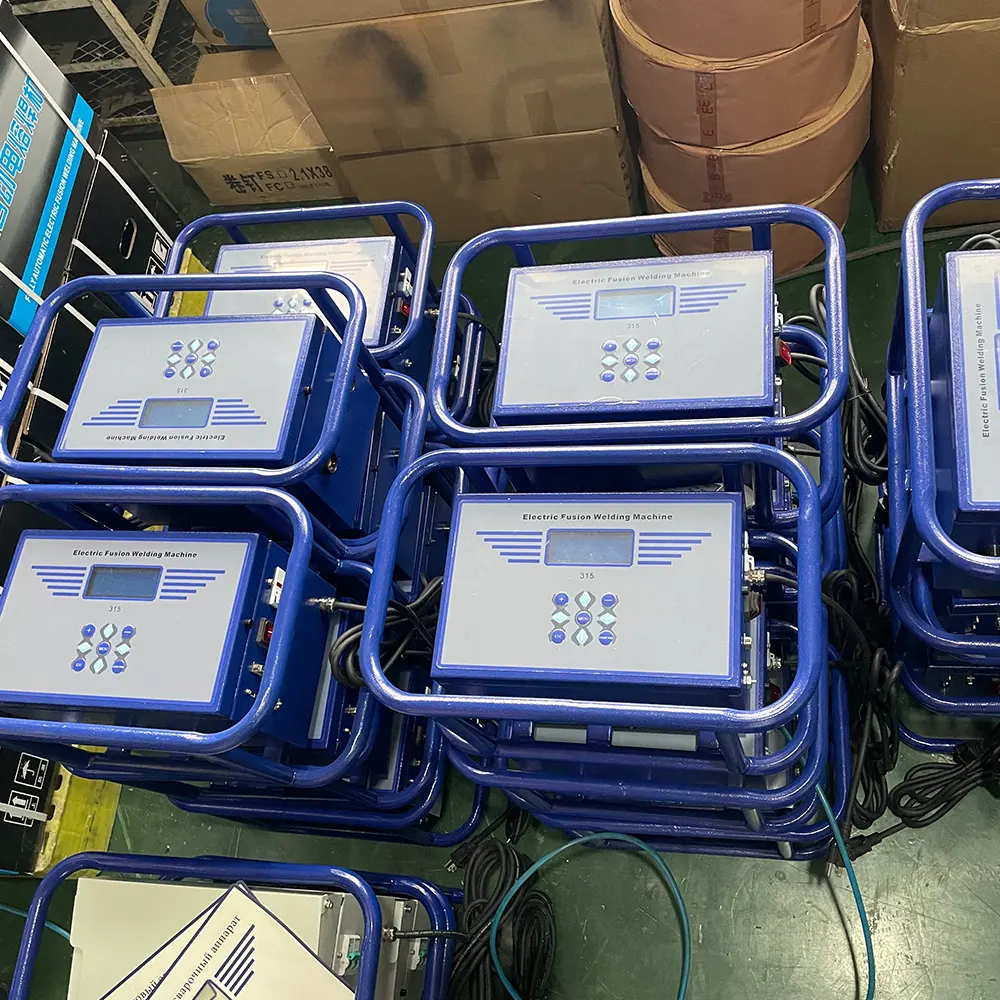
Installation Best Practices for Pakistani Conditions
To maximize joint life and reliability on Pakistan projects:
- Keep fusion surfaces clean and dry; dust and fine sand (common in many regions) reduce joint quality.
- Follow precise fusion parameters for time and current — modern electrofusion machines often log these automatically.
- Train local crews on inspection, fusion procedure and record keeping to satisfy utility auditors.
- Plan for UV exposure in open fields: proper burial depth or protective conduits extend pipe life.
Maintenance, Training and Support
Regular calibration, access to certified training and a reliable supply chain for fittings and control modules are vital. Manufacturers that provide clear documentation and international shipping options simplify procurement and long-term maintenance. For detailed product lines, technical data and export support, visit JQ-Fusion.
Next steps: prioritize a machine that matches your typical pipe diameters, verify power and site logistics, and invest in operator training to ensure consistently strong electrofusion joints across Pakistan’s infrastructure projects.



