
Electrofusion welding machine factories serving Russia play a critical role in building and maintaining HDPE pipeline networks for water supply, gas distribution and industrial projects. Choosing the right manufacturers and suppliers requires attention to equipment durability in cold climates, compliance with local standards, and reliable after‑sales support across vast distances from Moscow to Siberia.
Why electofusion welding matters for Russian infrastructure
Electrofusion offers precise, leak‑proof joins for polyethylene (PE) fittings and pipes used in municipal water systems, gas mains and industrial pipelines. In Russia, where temperature extremes and remote project locations are common, consistent weld quality and machines that tolerate low temperatures are non‑negotiable.
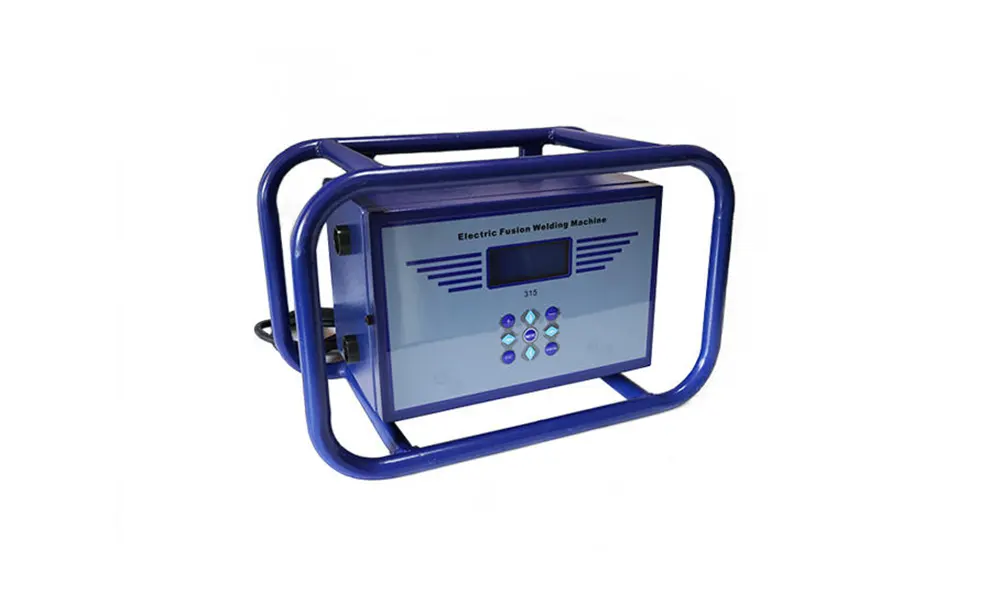
Key features Russian contractors look for
• Robust power modules that operate reliably with variable grid conditions and portable generators.
• Intuitive control panels and multi‑language interfaces to speed operator training on site.
• Compact, portable designs for access to urban trenches and remote field pipelines.
• Integrated data logging and weld traceability for compliance with construction standards and client audits.
Technical requirements and standards
Electrofusion machines destined for Russian projects should support commonly used standards (including GOST where applicable) and provide clear documentation for weld procedures. Machines that export weld logs in universal formats simplify acceptance testing and reduce project delays.
Model comparison at a glance
| Model | Pipe Range | Automation | Best for |
|---|---|---|---|
| Compact Handheld Unit | 20–160 mm | Manual initiation | Urban maintenance & small works |
| Portable Bench Unit | 63–315 mm | Semi‑automatic | Rural installations & service crews |
| Industrial Electrofusion Station | Up to 800 mm | Automatic data logging | Large municipality & pipeline projects |
Selecting reliable manufacturers and suppliers
When sourcing from a factory, Russian buyers prioritize:
• Proven factory testing and QA processes that ensure consistent fuse profiles.
• Local or regional spare parts availability to minimize downtime during winter months.
• Training programs in Russian or on‑site mentoring to upskill welding crews.
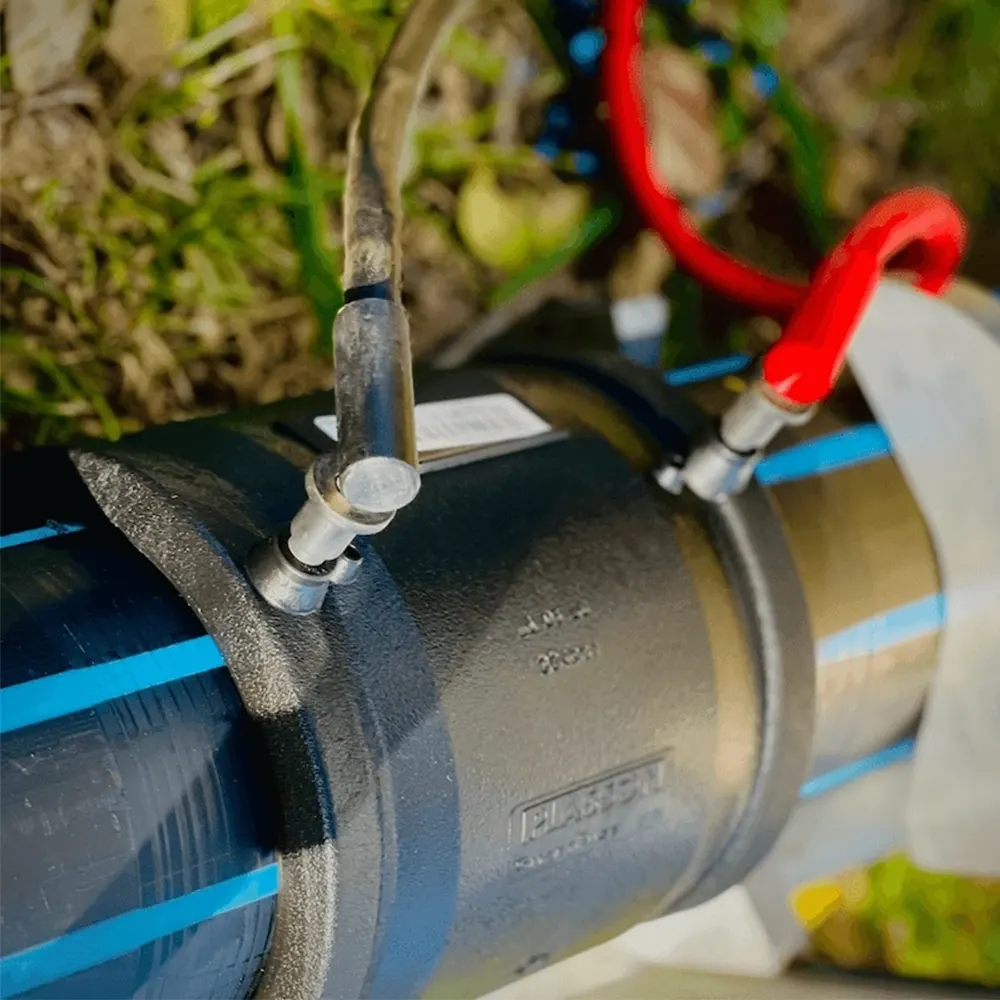
Logistics and after-sales in the Russian context
Russia’s geography means lead times and transport costs vary widely. Reliable suppliers offer clear export documentation, phased deliveries and regional service partners. For long‑term network reliability, choose vendors that provide remote diagnostics, firmware updates and training bundles that reduce the need for repeated site visits.
Cost vs. value: what to budget for
Initial machine cost is only one component. Consider lifecycle value: spare parts, consumables (electrofusion fittings), calibration, and warranty response times. Investing in machines with robust warranty policies and accessible technical support typically yields lower total cost of ownership for Russian contractors.
Practical tips for procurement teams
• Request weld sample records and factory quality certificates before purchase.
• Confirm compatibility with local clamps, fittings and pipe SDR classes.
• Schedule operator training as part of the procurement contract to ensure first‑month productivity.
Reliable partner example
JQ-Fusion manufactures a broad range of HDPE pipe welding machines including electrofusion solutions suitable for demanding infrastructure projects, offering customization, testing and global shipping support.
Conclusion
For Russian projects—from municipal waterworks in the European west to gas pipeline builds in Siberia—selecting an electrofusion welding machine factory that understands cold‑climate operation, local standards and logistics will ensure safer, more durable pipelines and fewer costly reworks.



