
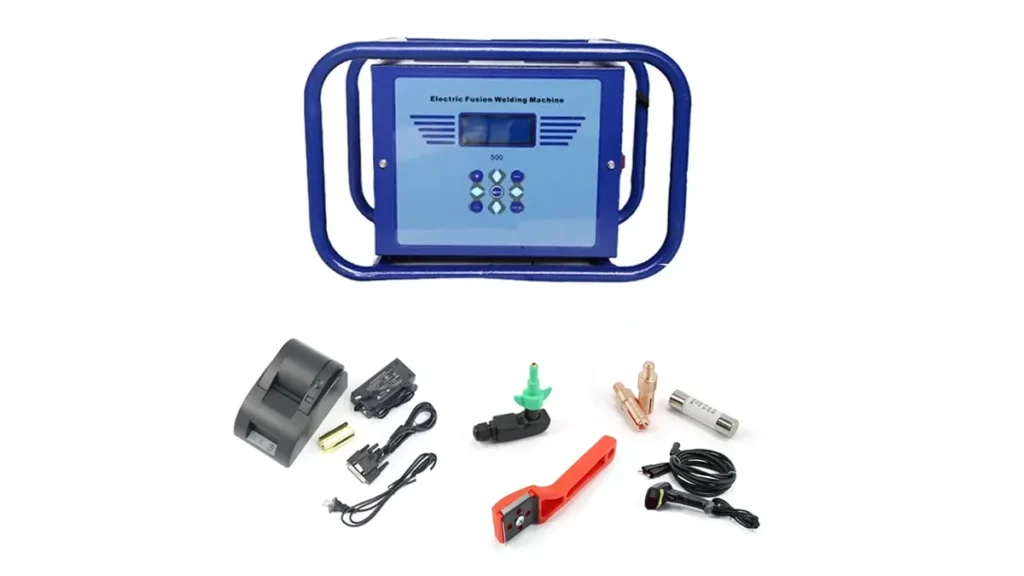
Electrofusion welding is a critical method for joining HDPE and other thermoplastic pipes in water, gas, and industrial networks. This guide explains what an electrofusion welder is, how it functions, and practical tips to choose the right unit for your projects.
What Is an Electrofusion Welder?
An electrofusion welder is a machine that provides controlled electric current to fusion fittings containing embedded heating coils. When the fitting is clamped around pipe ends and the welder delivers the correct power and time, the coils melt the thermoplastic and form a homogeneous, pressure-resistant joint.
Common Uses
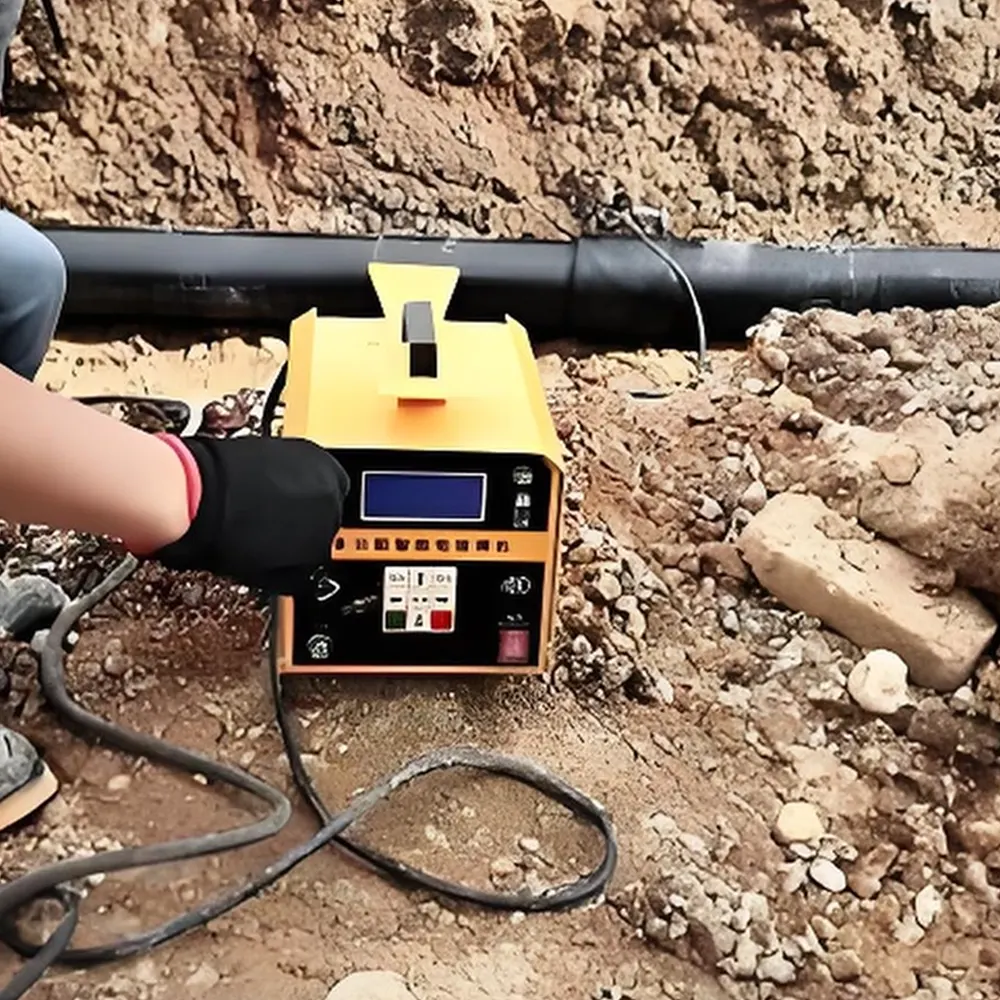
Electrofusion is widely used for gas distribution, potable water mains, sewer and drainage systems, and industrial pipeline repairs. Its reliability in producing leak-proof joints makes it a preferred method for underground and critical infrastructure applications.
How Electrofusion Welding Works
The process has a few repeatable steps that ensure consistent results:
1. Preparation
Clean and bevel the pipe ends, remove any dirt or oxidation, and accurately align the fitting. Proper surface prep is essential for a good molecular bond.
2. Clamping and Connection
Secure the fitting and pipes in a fusion frame or clamp to prevent movement during heating. Connect the welder’s leads to the fitting terminals.
3. Program and Weld
Most modern welders use a control interface to select fitting type, material, and welding program. The machine applies current to the embedded coils for a preset time and temperature profile.
4. Cooling and Inspection
Allow the joint to cool under clamp pressure. Visual inspection and, where required, non-destructive testing confirm joint integrity.
Key Components of an Electrofusion Welder
Understanding components helps when comparing models:
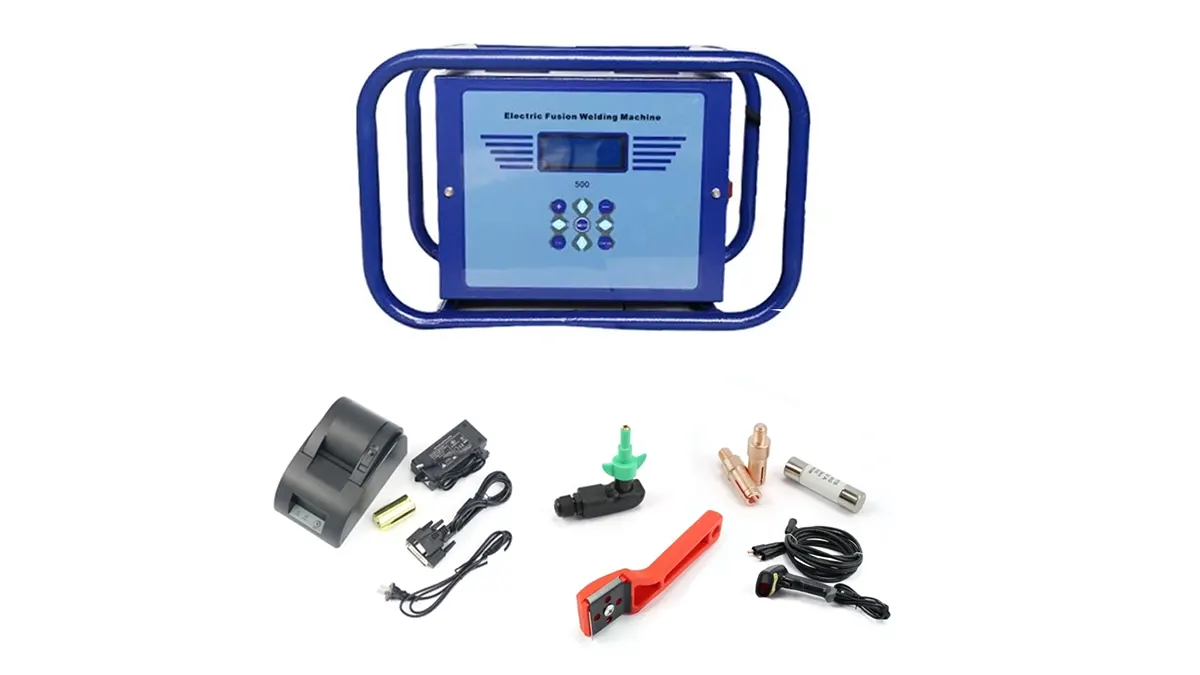
- Control Unit: Programs and monitors the weld cycle (time, current, voltage).
- Power Supply: Stable AC/DC source with overload protection.
- Clamp/Frame: Holds pipes and fittings in accurate alignment.
- Cables & Connectors: Robust leads and clamps that ensure consistent electrical contact.
Types of Electrofusion Welders
Choose between portable handheld units and bench or cart-mounted systems depending on site conditions and pipe sizes:
Portable Welders
Lightweight and battery-capable for remote field repairs and smaller diameter piping. Ideal for service teams and emergency fixes.
Industrial/Bench Welders
Higher power capacity and advanced control features for large fittings and production environments. They often include data logging and printer output.
Quick Comparison Table: Choosing the Right Electrofusion Welder
| Feature | Portable Units | Industrial Units |
|---|---|---|
| Typical Pipe Range | 20–315mm | 50–1200mm+ |
| Power Source | Battery/AC | AC with higher capacity |
| Data Logging | Optional | Standard |
| Durability | Field-rated | Industrial-grade |
How to Choose the Right Electrofusion Welder
Match the tool to the job by evaluating these criteria:
- Pipe diameter and fitting types: Verify the welder supports the diameter and specific fittings (couplers, saddles, reducers).
- Power and duty cycle: For high-volume or large-diameter welding, choose higher continuous power and robust cooling.
- Control and traceability: Data logging, barcode/QR scanning of fittings, and exportable reports are essential for compliance-driven projects.
- Portability vs. capacity: Balance field mobility with power requirements.
- Standards compliance: Ensure compatibility with regional standards (ISO, ASTM, or local gas/water authority codes).
Installation, Safety & Maintenance Tips
Safety First
Follow PPE rules, ensure proper grounding, and never bypass safety circuits. Electrofusion involves high currents — correct training is mandatory.
Routine Maintenance
Periodically inspect cables, connectors, and frame alignment. Keep connectors clean and verify calibration of the control unit to maintain weld quality.
Pros and Cons — Quick Summary
Pros: Reliable, repeatable joints; excellent for repairs and new installations; strong mechanical and pressure performance.
Cons: Requires correct tooling and trained operators; slower for very large production runs compared with some automated butt-fusion processes; dependency on power supply.
FAQ — Practical Answers
Can electrofusion be used underground?
Yes. With proper site preparation, fitting selection, and protection, electrofusion joints are commonly used underground for gas and water mains.
How important is data logging?
Crucial for regulated projects. Data logs provide traceability, showing welding parameters and proof that each joint met the required cycle.
Where to Buy and Who to Trust
Choose reputable manufacturers with clear technical support and regional service options. For example, JQ-Fusion provides a range of electrofusion and butt fusion equipment designed for infrastructure projects worldwide and offers technical support for selecting the right machine.
Final Tip
Test the chosen welder in a controlled setting on representative materials before field deployment. Validated procedures, trained operators, and a matched welder/fitting system deliver the best long-term performance.



