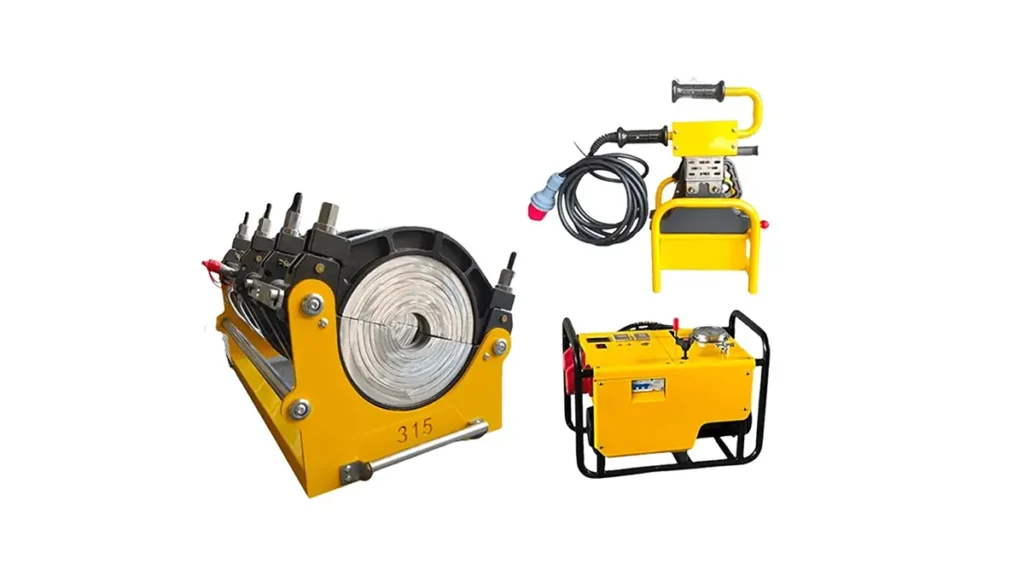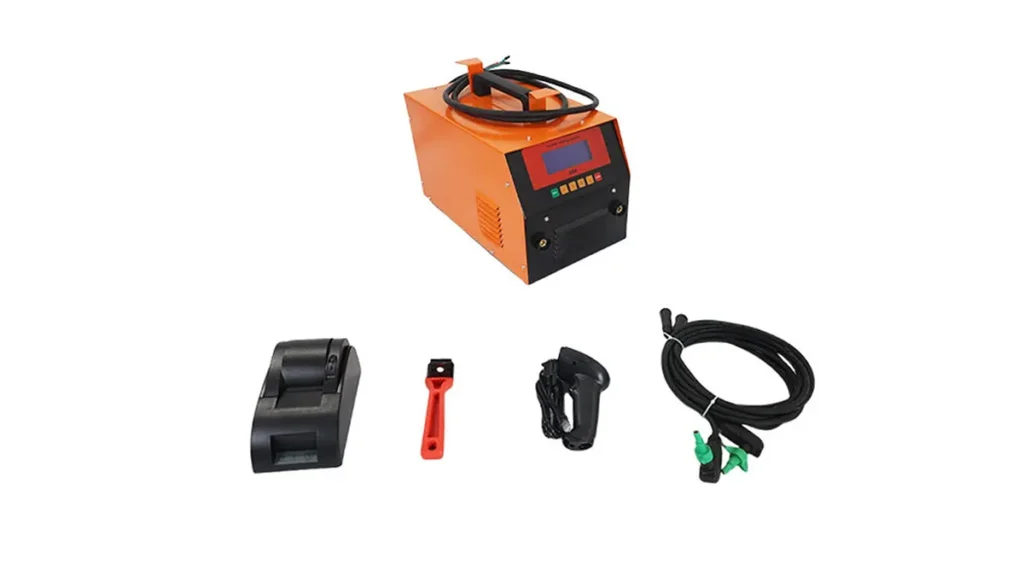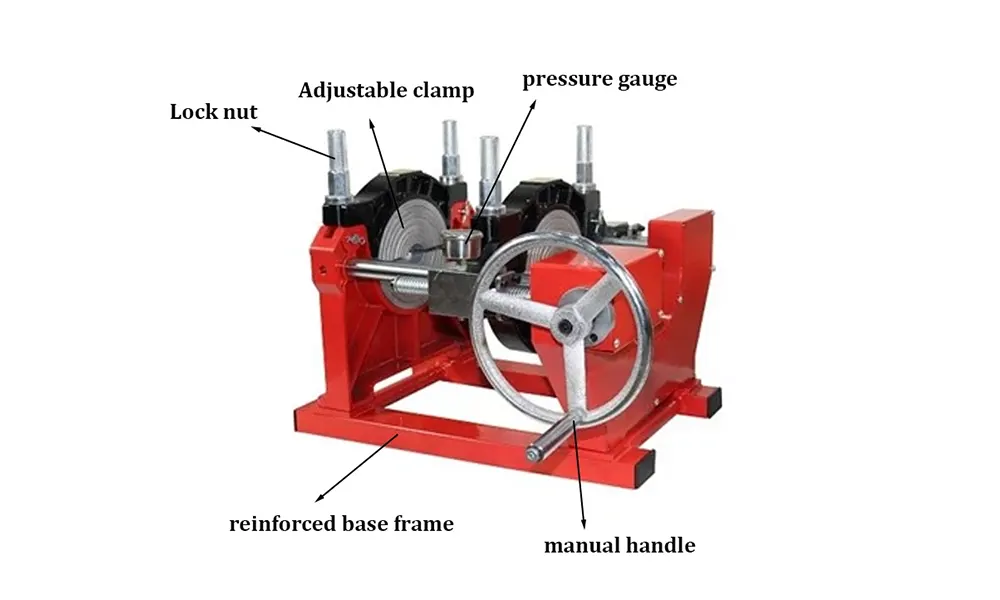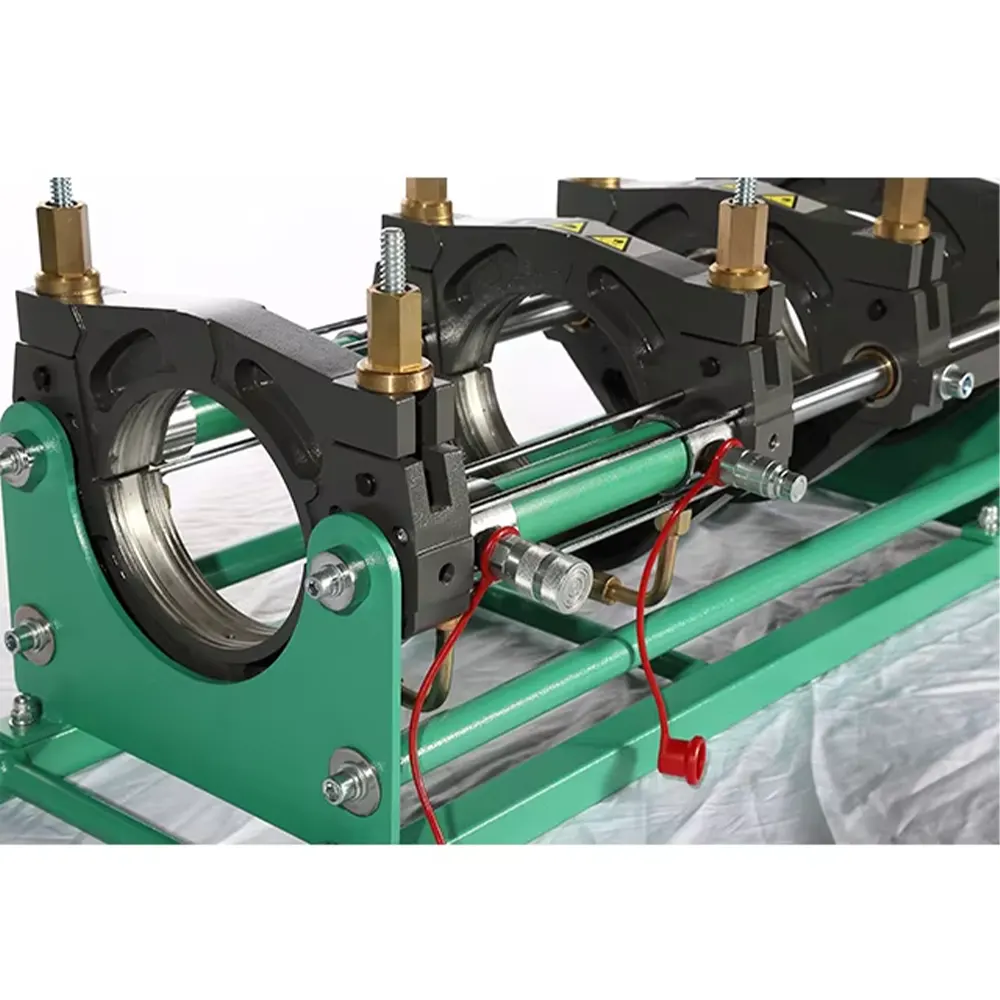
When it comes to constructing and maintaining gas distribution networks, the integrity of every joint is non-negotiable. An electrofusion welder for gas pipelines provides the precision, repeatability, and safety essential for joining polyethylene pipes in critical fuel gas applications. Unlike mechanical fittings, electrofusion creates a homogeneous, leak-proof bond by melting the pipe and fitting together under controlled parameters, effectively eliminating the risk of joint failure over the pipeline’s service life.
Modern gas utility projects demand equipment that conforms to rigorous international standards. Whether you are installing a new distribution line or performing a live tie-in on an existing network, selecting the right electrofusion equipment is the single most impactful decision you can make for long-term system reliability. The process itself is deceptively straightforward, but the technology behind the control unit, data logging, and barcode recognition ensures every weld meets the required fusion parameters without operator guesswork.
Why Gas Pipelines Demand Specialized Electrofusion Technology
Gas distribution systems operate under specific pressure classes and must withstand environmental stress, soil movement, and thermal fluctuations. The PE gas piping systems used globally rely on fusion joining methods that are codified in standards such as ISO 4437 and ASTM D2513. Electrofusion is particularly valued in gas applications for several key reasons:
- Consistent Fusion Quality: The automatic control unit reads the fitting’s barcode and applies the exact energy required, removing human error from the equation.
- Full Traceability: Built-in data logging records every weld parameter — time, temperature, energy input, and operator ID — creating a permanent digital record for regulatory compliance.
- Compact and Portable Design: Electrofusion units are lightweight compared to butt fusion machines, making them ideal for trench work and repair operations in congested urban environments.
- No Internal Bead: Unlike butt fusion, electrofusion produces no internal weld bead, which is critical for maintaining smooth gas flow and facilitating pipeline pigging operations.
Key Components of a Reliable Electrofusion Welding System
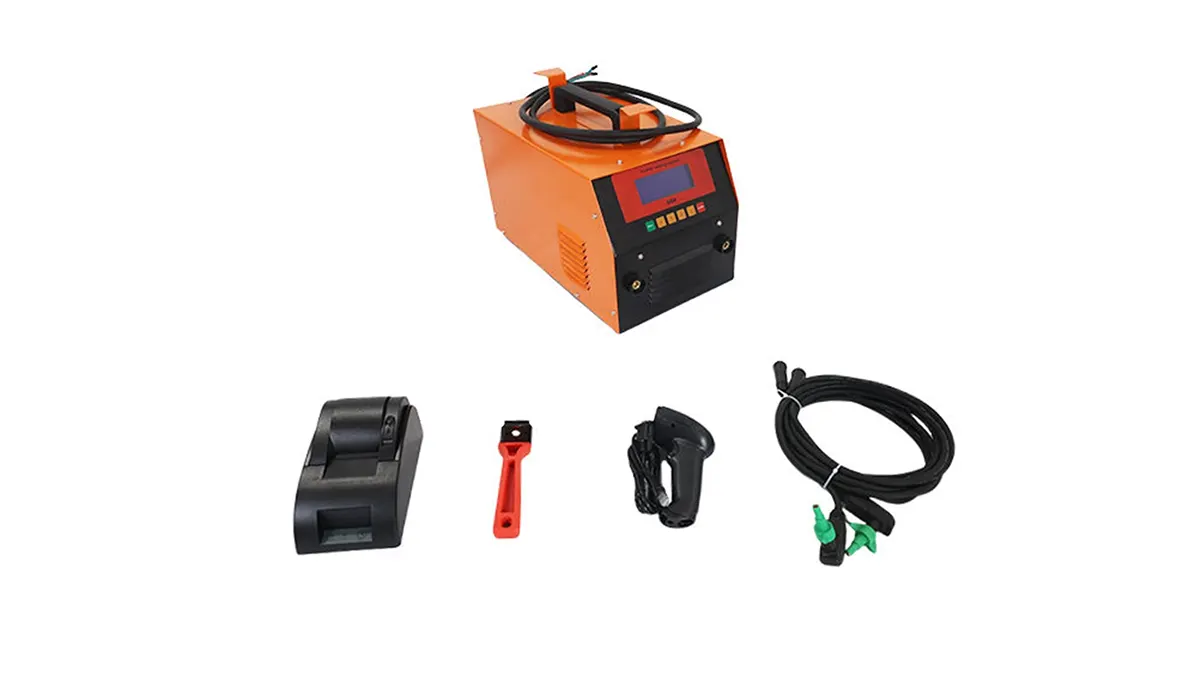
A complete electrofusion welder for gas pipelines is more than just a power supply. It integrates several critical subsystems that work together to ensure joint integrity. Understanding these components helps project managers and contractors make informed purchasing decisions when evaluating electrofusion equipment for their operations.
| Component | Function | Gas-Specific Requirement |
|---|---|---|
| Control Unit | Regulates voltage, current, and fusion time based on fitting specifications | Must support barcode recognition and automatic parameter setting |
| Data Logger | Records and stores weld data for QA/QC documentation | Essential for meeting PE fusion traceability mandates |
| Output Cables | Deliver power to the fitting’s embedded heating coils | Heavy-duty insulation required for wet or humid trench conditions |
| Input Power Protection | Circuit breaker and surge protection | Generator-compatible input for remote field operations |
International Standards Governing Gas Pipeline Electrofusion
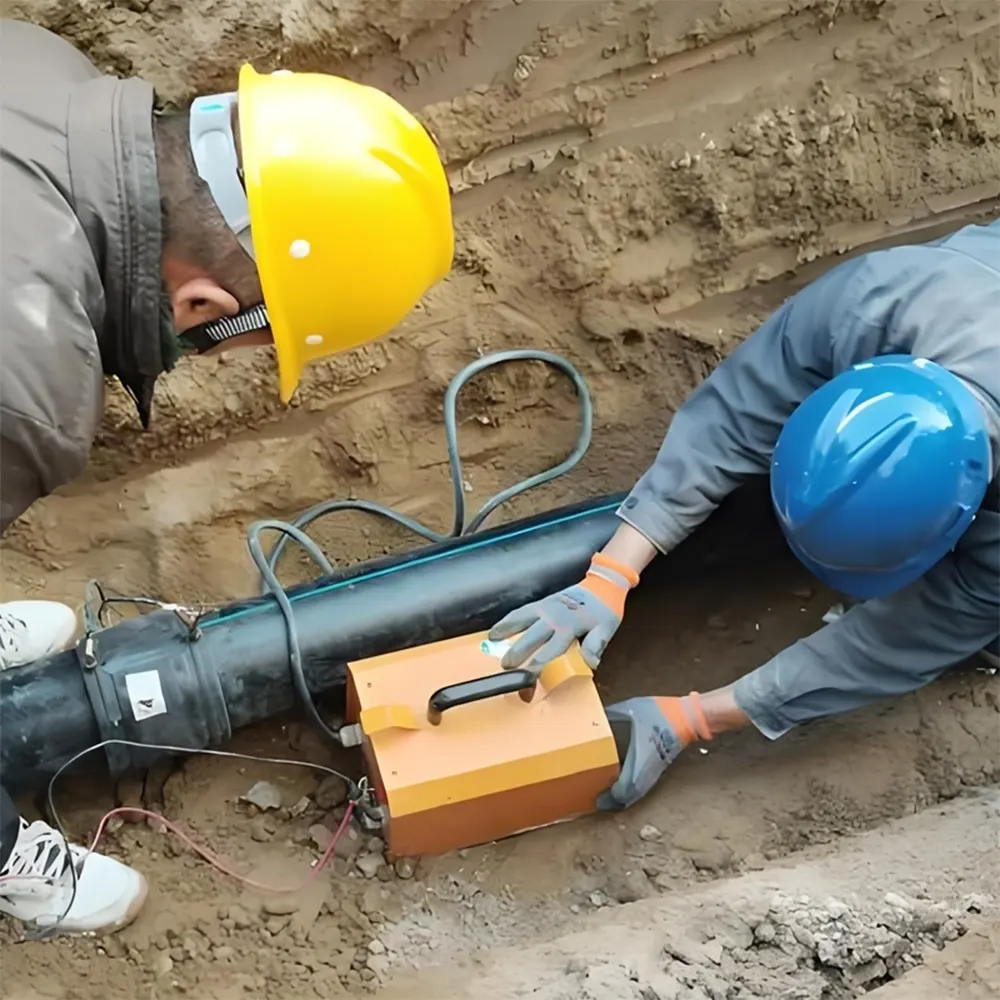
Compliance with industry standards is not optional in gas utility work — it is a contractual and legal requirement. The ASTM F1290 electrofusion standard and ISO 12176-2 provide detailed procedures for joining polyolefin pipes and fittings using electrofusion. These documents specify everything from surface preparation and scraping depth to fusion time tolerances and visual inspection criteria.
Operators must also be qualified per relevant standards. The PE fusion operator requirements outlined in ISO 12176-3 emphasize the importance of training, assessment, and periodic re-certification. Pairing a skilled operator with a properly calibrated electrofusion welder for gas pipelines significantly reduces the probability of defective joints and costly repairs down the line.
Best Practices for Gas Pipeline Electrofusion Joints
- Surface Preparation: Always scrape the pipe surface to remove oxidation layers before inserting into the fitting. Use a scraping tool that maintains consistent depth.
- Alignment and Clamping: Use proper alignment clamps to prevent movement during the fusion cycle. Even slight misalignment can cause leaks under gas pressure.
- Environmental Protection: Shield the joint area from wind, rain, and extreme temperatures. Sudden cooling can introduce thermal stresses that compromise joint strength.
- Cool-Down Adherence: Never remove clamps or pressure-test before the full cool-down time indicated on the fitting label has elapsed.
Choosing the Right Electrofusion Machine for Your Gas Project
The market offers a wide range of electrofusion units, from basic manual models to fully automatic systems with GPS-enabled data logging. For gas pipeline work, we recommend prioritizing the following features when evaluating any electrofusion welder for gas pipelines:
| Feature | Why It Matters for Gas Work |
|---|---|
| Automatic Barcode Reading | Eliminates manual input errors that could result in under-fusion or over-fusion |
| Wide Voltage Tolerance | Accommodates generator power fluctuations common on remote construction sites |
| USB / Wireless Data Export | Simplifies reporting to gas utility inspectors and regulatory bodies |
| IP65 or Higher Rating | Reliable operation in wet, dusty, and harsh outdoor environments |
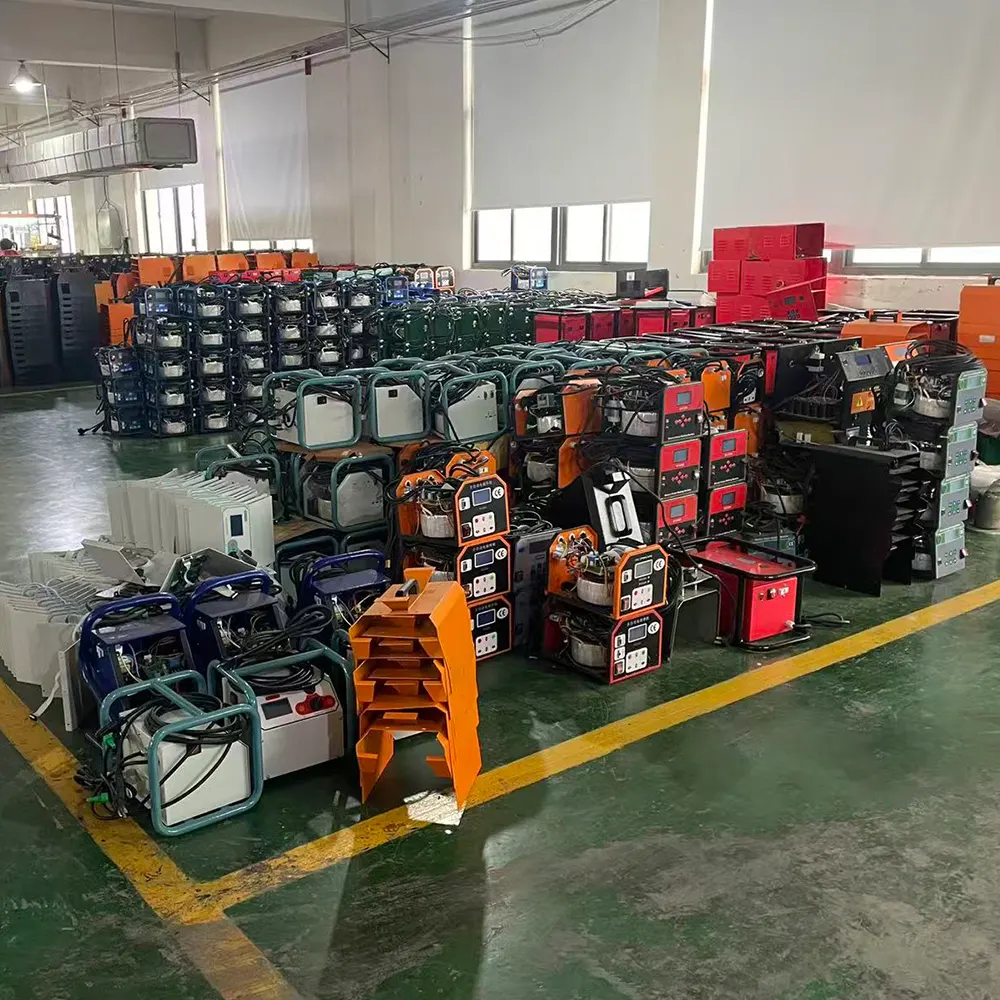
JQ-Fusion offers a comprehensive range of HDPE pipe welding machines, including advanced electrofusion units designed specifically for gas distribution contractors. Each machine is factory-tested and calibrated to deliver the stable, repeatable performance that gas utilities demand. From the compact JQEB series to the feature-rich JQEA models, our equipment supports a full spectrum of fitting sizes and project scales.
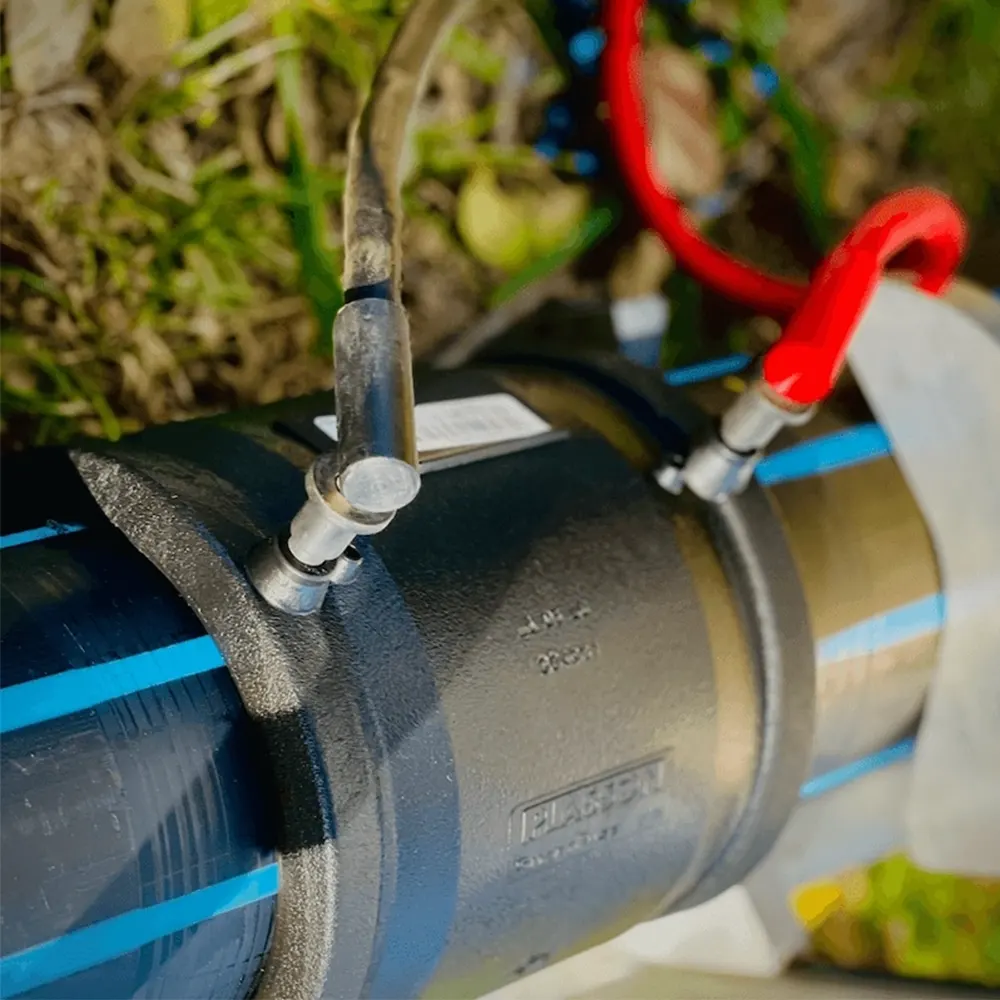
Common Gas Pipeline Applications for Electrofusion
Electrofusion technology is employed across a variety of gas infrastructure scenarios. Its versatility makes it indispensable for both greenfield construction and brownfield rehabilitation projects:
- Service Connections: Tapping into existing mains to supply individual residential or commercial properties.
- Branch Saddles: Installing branch connections on live or decommissioned mains using electrofusion saddle fittings.
- Tie-Ins and Repairs: Joining new PE pipe sections to existing networks during pipeline extensions or emergency repairs.
- Valve and Fitting Integration: Connecting valves, transition fittings, and other appurtenances into the pipeline system.
Safety Considerations Specific to Gas Work
Working on gas pipelines introduces additional safety protocols that go beyond standard PPI electrofusion guide recommendations. Always ensure the work area is free of flammable atmospheres, verify that the pipeline is properly isolated or depressurized according to permit requirements, and use intrinsically safe equipment where required by site classification.
Furthermore, all electrofusion welds on gas lines should be documented and linked to the specific operator, machine, and fitting lot number. This chain of accountability is a cornerstone of modern pipeline integrity management programs and is increasingly mandated by national regulations worldwide.
Maintaining Your Electrofusion Equipment for Consistent Performance
A electrofusion welder for gas pipelines is a precision instrument that requires regular calibration and maintenance. Contact pins should be inspected for wear or corrosion, output cables checked for insulation integrity, and the data logging system verified for accurate date and time stamps. Annual calibration by an authorized service center is strongly recommended to ensure the unit continues to deliver the exact energy output specified by fitting manufacturers.
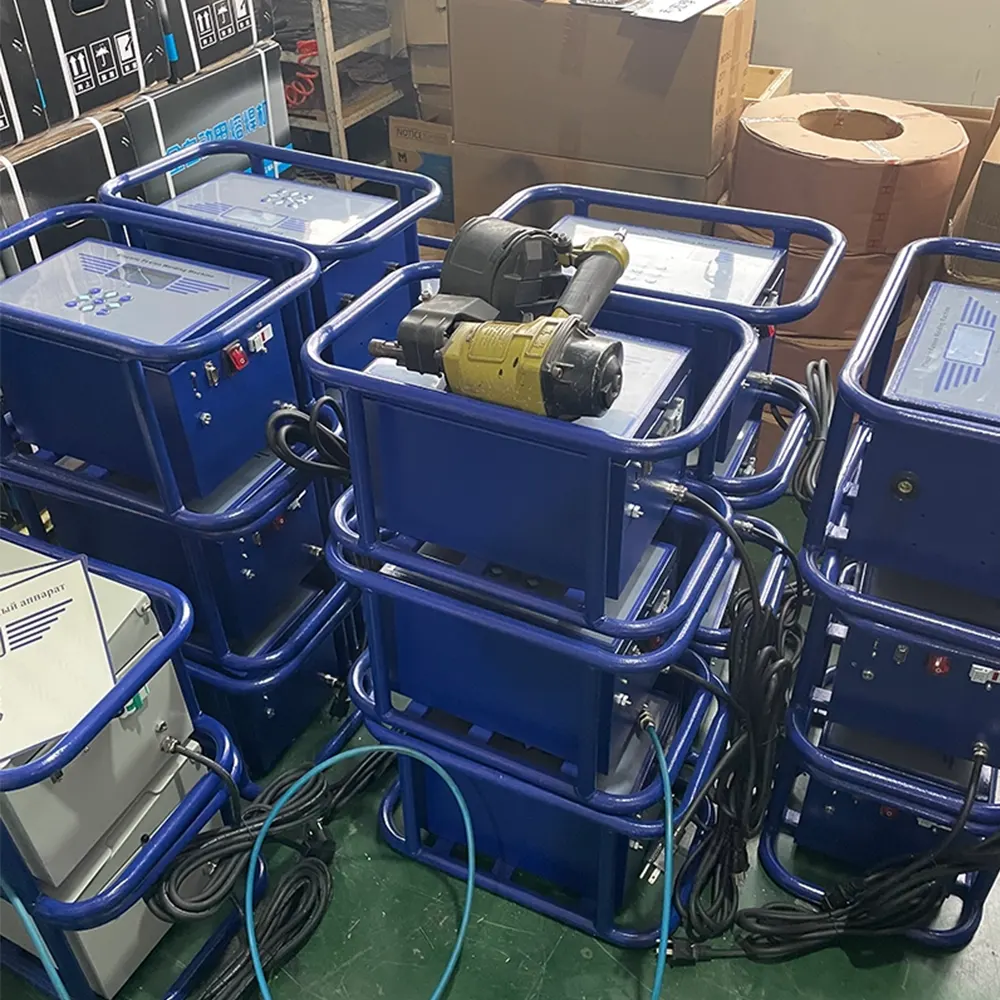
Whether you are outfitting a single crew or standardizing equipment across an entire utility fleet, investing in a proven electrofusion welding system pays dividends in safety, compliance, and long-term pipeline reliability. Select equipment that meets international standards, prioritize data traceability, and partner with a manufacturer that understands the unique demands of gas distribution infrastructure.