
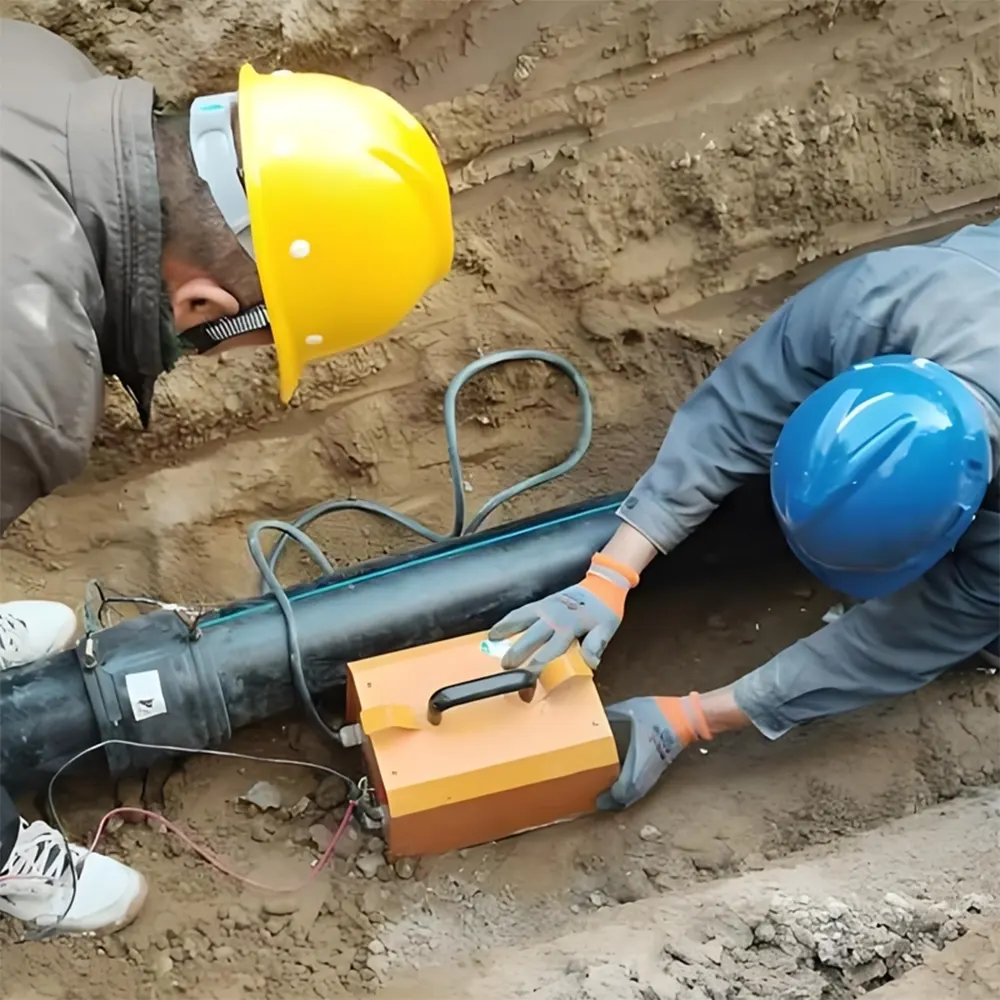
Electrofusion welder cable connections are a critical part of achieving reliable HDPE pipe joints. Proper wiring, correct cable selection, secure terminations, and safe installation practices ensure strong, repeatable electrofusion welds and reduce the risk of joint failure in water, gas, and industrial pipelines.
Key Principles for Electrofusion Welder Cable Connections
Always prioritize proper conductor size, low resistance contacts, and correct polarity. A poorly made connection raises electrical resistance, causes uneven heating of the fusion fitting, and can create weak or incomplete joints. Follow manufacturer specs and local electrical codes.
Cable Selection: Gauge, Insulation, and Length
Choose cables rated for continuous current and temperature ranges expected in the field. Shorter, thicker cables reduce voltage drop and improve consistent weld energy delivery. Avoid undersized or damaged cables — they increase welding time and risk overheating the connector.

Typical Cable Gauge Guide
The table below gives a quick reference for common electrofusion machines and cable pairings. Always confirm against your welder manual and local installation standards.
| Cable Cross-Section (mm²) | Approx. Max Current (A) | Recommended Fuse (A) | Typical Use |
|---|---|---|---|
| 2.5 mm² | 20–30 | 25 A | Small inline fittings & repairs |
| 4 mm² | 30–45 | 40 A | Medium fittings, most site welding |
| 6 mm² | 45–60 | 50–63 A | Large fittings, longer leads |
| 10 mm² | 60–90 | 80 A | Very large electrofusion or extended runs |
Connectors and Terminations
Use factory-approved connectors or heavy-duty crimp terminals rated for the current. Good contact between conductor and connector is essential — a cold or loose crimp raises resistance and causes hot spots. Where possible, use solderless crimping with inspection of the crimp barrel and conductor strands.
Polarity, Grounding, and Safety
Maintain correct polarity as indicated by the electrofusion machine and fittings. Ensure the welder chassis and metal clamps are properly grounded to prevent stray currents and to protect operators from shock. Isolate welding circuits from other power sources during operation.
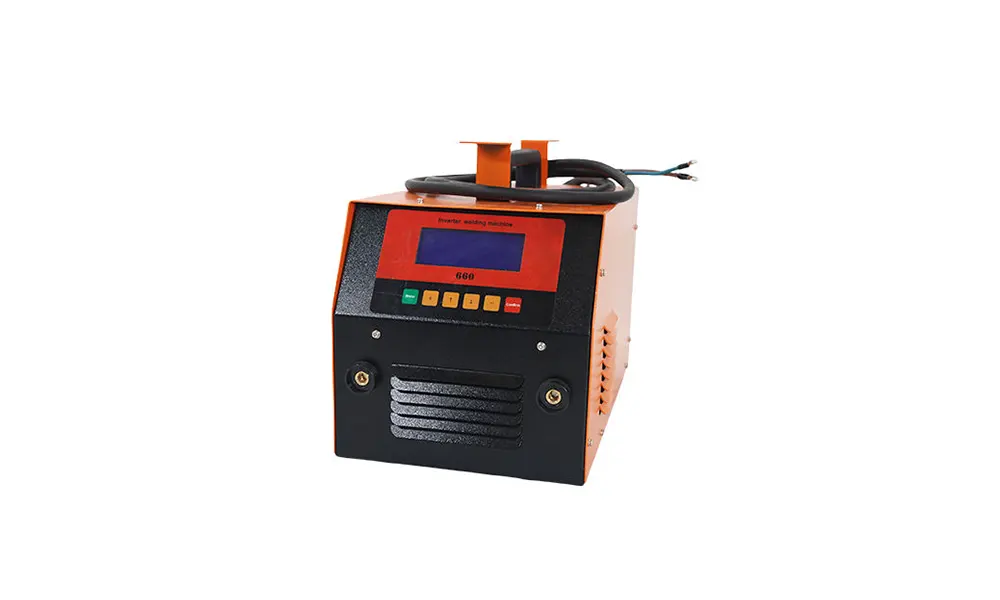
Installation Best Practices
– Keep cable routing short and direct; avoid kinks and tight bends.
– Use cable protectors or conduit through sharp edges and trenches.
– Label cable sets to match each weld job and clamp position.
– Replace cables showing overheating, frayed insulation, or exposed conductors.
Pre-Weld Checklist (Quick)
1. Verify correct cable gauge and connector type for the fitting.
2. Inspect connectors and crimps for corrosion, tightness, and cleanliness.
3. Ensure machine settings, voltage, and current match the fitting code.
4. Confirm clean mating surfaces and correct alignment of pipe/fitting.
5. Grounding and isolation confirmed; area clear of combustible materials.
Troubleshooting Common Cable-Related Problems
– Weak joints or partial melting: usually caused by high resistance due to poor crimps, undersized cable, or long cable runs.
– Intermittent welds or error messages: check for damaged insulation, broken conductor strands, or moisture in connectors.
– Overheated connectors: verify correct fuse rating, inspect for loose connections, and reduce cable length if feasible.
Tools & Consumables Recommended
Basic kit for reliable electrofusion cable work: quality hydraulic crimper, insulated cable cutters, heat-shrink tubing, corrosion-inhibiting terminal paste, labeled cable ties, and a multimeter to verify continuity and resistance.
| Tool | Purpose |
|---|---|
| Hydraulic Crimper | Consistent, high-quality crimps on larger terminals |
| Multimeter | Check continuity and resistance of cable-connector assemblies |
| Heat Shrink + Adhesive | Weatherproof and strain-relief terminations |
Maintenance and Record-Keeping
Keep a log of cable replacements, connector repairs, and welded joint records. Periodic resistance checks on cable assemblies help detect aging or hidden damage before it affects weld quality. Proper storage of cables coiled loosely and protected from UV and oil extends service life.
Compliance and Final Tips
Follow local electrical regulations and the electrofusion fitting manufacturer’s instructions. For regulated systems like gas or potable water, ensure certified installers perform critical joints and maintain traceable fusion records.
About JQ-Fusion
JQ-Fusion is a professional manufacturer specializing in HDPE pipe welding machines, providing reliable butt fusion solutions for global infrastructure projects. With years of industry experience, we focus on the development and production of manual, hydraulic, and CNC automatic butt fusion welding machines, covering a wide range of pipe sizes from small to large diameters. Our products are widely used in water supply, gas distribution, mining, and industrial pipeline systems.



