
Electrofusion Machine Wholesaler in Oman: Reliable Suppliers for Quality Fusion Equipment
Oman’s infrastructure and energy sectors increasingly rely on HDPE pipe systems for water distribution, gas networks, and industrial pipelines. For contractors, utilities, and EPC companies looking for dependable electrofusion equipment, sourcing from a reputable wholesaler in Oman ensures timely supply, local support, and machines suited to the region’s demanding projects. This guide helps buyers identify the right suppliers and choose electrofusion machines that deliver consistent weld quality under Oman’s climate and project conditions.
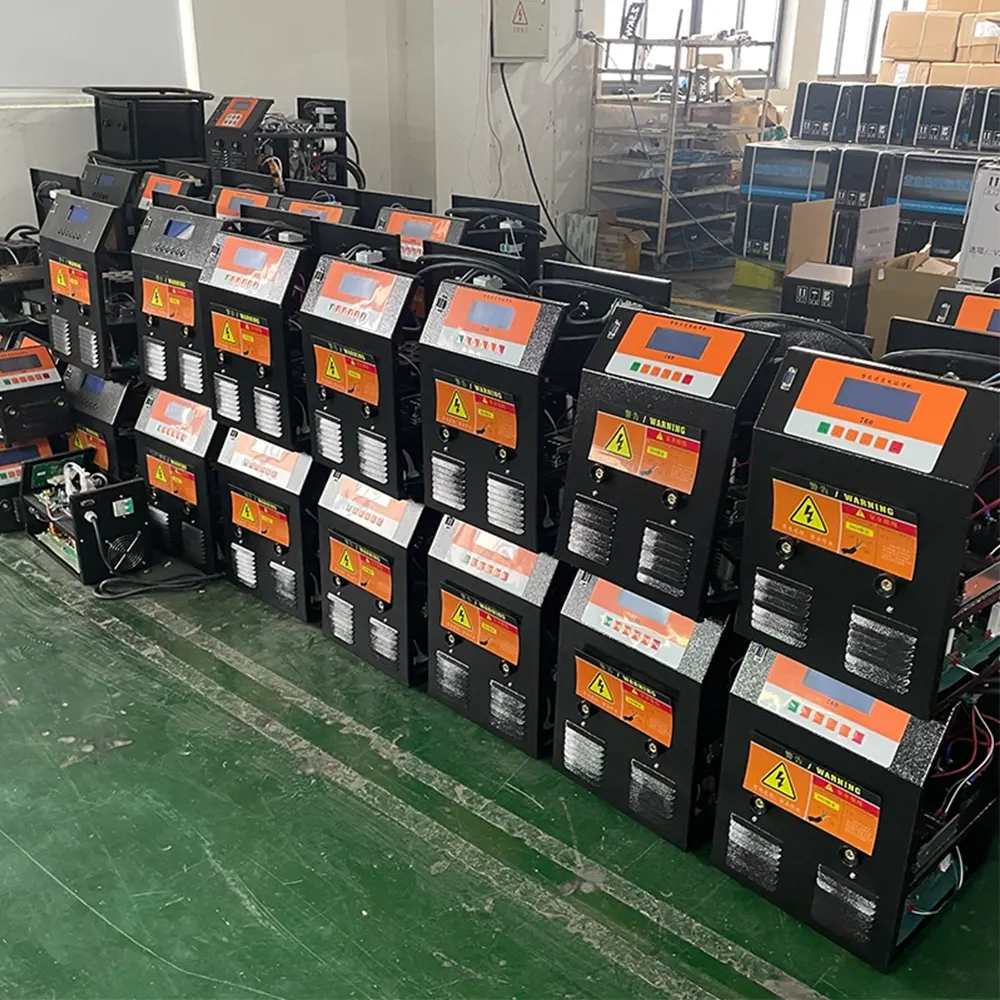
Why work with a local wholesaler in Oman?
Local availability reduces lead times for large orders and spare parts. Wholesalers familiar with Oman’s construction cycles understand seasonal demands—from municipal water projects to oil & gas pipeline maintenance—and can prioritize deliveries to ports like Sohar or Duqm. Local partners also navigate customs clearance and provide quicker technical response for on-site commissioning and training.
Important features to look for in electrofusion machines
When comparing suppliers, check for machines that combine accuracy, portability, and robust electronics. Key features include precise current control, easy-to-use displays for weld programs, integrated data logging for quality assurance, and durable housings to withstand heat and dust. Machines designed for HDPE electrofusion fittings should offer adjustable voltage/current profiles and clear weld reports.
| Machine Type | Recommended Use | Key Benefit |
|---|---|---|
| Portable Electrofusion Unit | Field repairs, small-diameter networks | Lightweight, battery-backed operation |
| Bench/Workshop Electrofusion Machine | Prefabrication shops, high-volume fittings | Stable power, repeatable cycle controls |
| Automated Data-Logging Units | Projects requiring traceability | Built-in reporting for QA/QC & audits |
For buyers in Oman, prioritize machines that offer local-language support, clear weld certification exports, and compatibility with common electrofusion fittings used in the region. Durability against coastal humidity and dusty desert conditions is also critical.
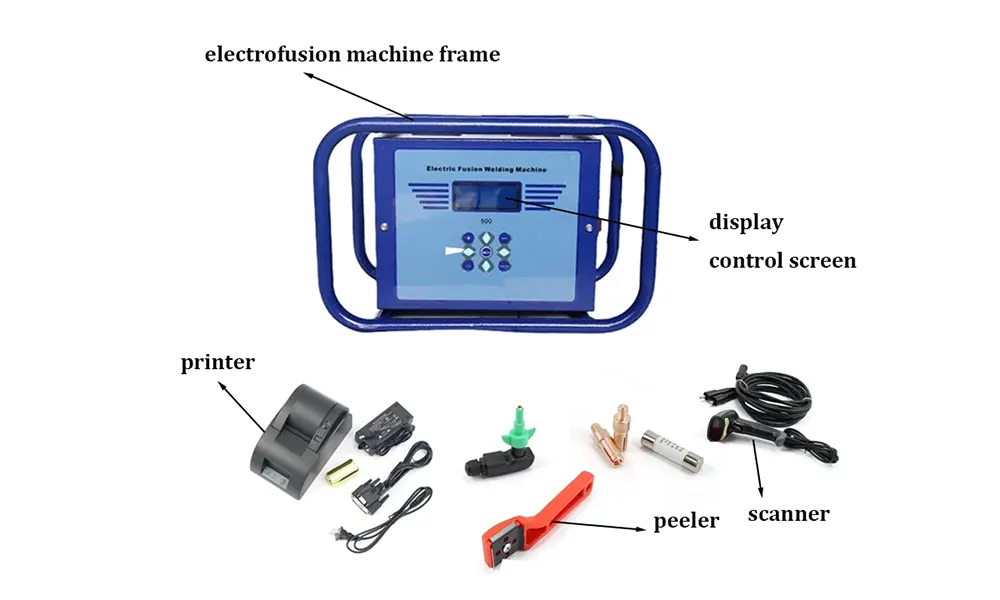
How to evaluate a wholesaler and supplier
Check the supplier’s inventory depth and lead times, ask for sample weld records, and request references from Omani projects. Ensure the wholesaler provides spare parts, calibration services, and operator training. Suppliers that maintain stock in regional warehouses or have established freight arrangements to Oman help minimize downtime for maintenance or urgent replacements.
Regulatory & project considerations in Oman
Omani projects often require documented quality control and traceability for pipeline welds. Confirm that the electrofusion equipment supports data export for project QA/QC and that the wholesaler understands local permitting and inspection protocols. Consider the logistical footprint—shipping to Muscat, Salalah, or industrial ports—and whether the supplier can support on-site commissioning in remote desert or coastal locations.
Buying tips and long-term value
Invest in machines with modular electronics and readily available spare parts to extend service life. Ask about warranty terms, calibration cycles, and training packages. For larger contractors and utilities, bundling machines with prefabrication fixtures and a spare-parts kit often reduces total project risk and lifecycle costs.
For reliable production-grade electrofusion equipment and global distribution experience, consider contacting JQ-Fusion at https://jq-fusionwelding.com/ for model options, custom configurations, and support tailored to Oman’s infrastructure needs.



