
Electrofusion machine solutions are transforming how contractors and utility operators in Libya join HDPE pipes for gas and water networks. In regions with expanding urban centers and large-scale water projects, reliable welding technology ensures leak-free, long-lasting pipelines that stand up to Libya’s harsh climate and remote worksite conditions.
Why Electrofusion Is Ideal for Libya’s Gas and Water Networks
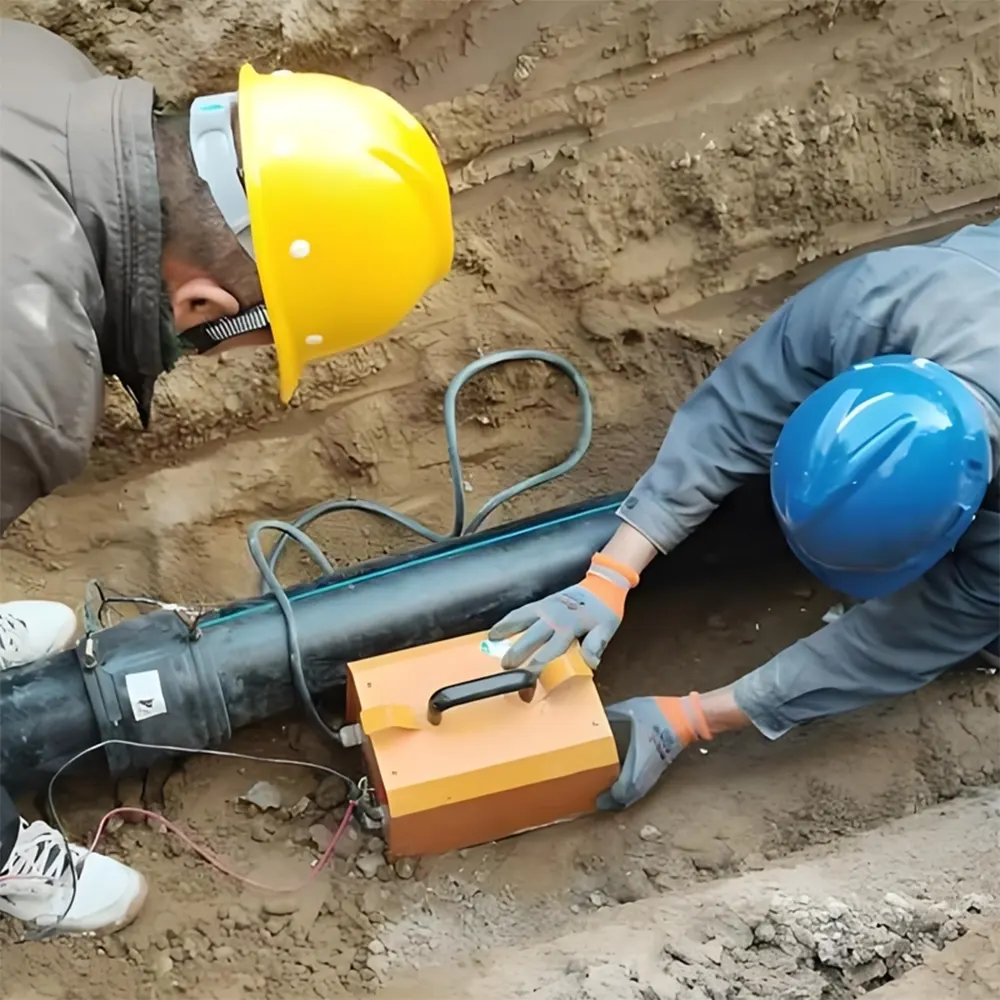
Electrofusion welding uses fittings with embedded heating elements to fuse pipe and fitting surfaces, producing joints with consistent strength and integrity. For Libya — where desert temperatures, coastal humidity, and variable site access challenge pipeline reliability — electrofusion offers predictable quality with minimal on-site adjustments. This makes it especially suitable for gas distribution in cities like Tripoli and Benghazi, and for rural water supply projects across arid regions.
Key Advantages for Local Projects
Consistent joint quality: Electrofusion machines control heating time and temperature for repeatable welds that meet pipeline operator standards.
Safety for gas applications: No naked flames or hot work permits are required on-site, reducing ignition risk in gas network installations.
Field-friendly: Portable electrofusion units and battery-backed controllers allow teams to work in remote or off-grid locations common in Libya.
Reduced rework: Digital readouts and programmable welding recipes lower human error and help contractors meet tight project timelines.
Essential Features to Look For
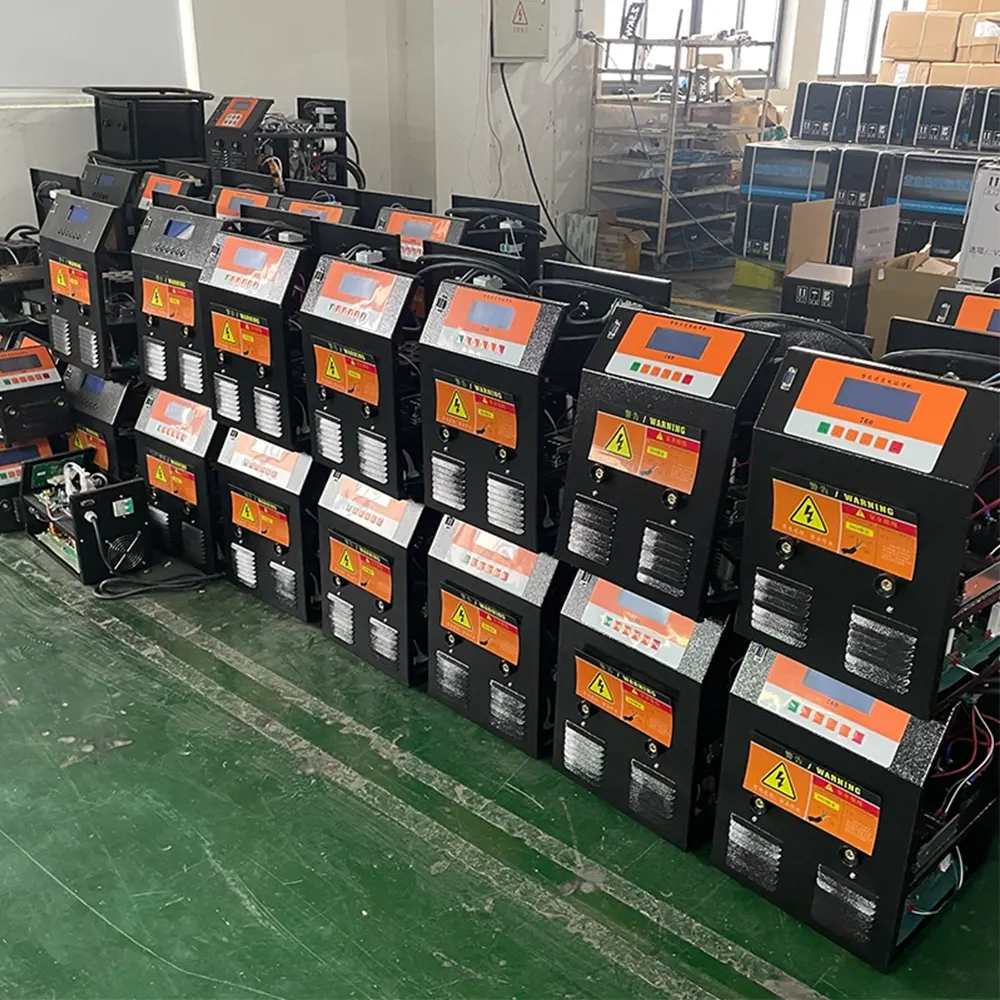
When selecting an electrofusion machine for Libyan pipeline projects, prioritize units with robust weatherproof housings, clear digital interfaces, and the ability to store welding records. Automatic current/voltage monitoring and fault detection help ensure each joint is verifiable — a major advantage when regulators or clients request traceability.
Selection Guide — Match Machine to Project Needs
| Pipe Diameter | Recommended Machine Type | Typical Libyan Use Case |
|---|---|---|
| 63–160 mm | Portable benchtop electrofusion unit | Urban service lines, small branch gas networks |
| 180–630 mm | High-current mobile electrofusion unit | Main water distribution, medium gas mains |
| >630 mm | Industrial electrofusion stations / automated systems | Large-diameter transmission mains and major irrigation projects |
Installation, Documentation & Quality Control
Best practice in Libya includes cleaning and scraping pipe surfaces, verifying fitting serial codes, and following the machine’s programmed welding profile. Keep welding reports and QR-code scans for each joint to support warranty claims and regulatory inspections — particularly important for gas network safety audits.
Safety, Training, and Local Compliance
Operators should receive hands-on electrofusion training and competence assessments. In Libya, project owners often require documented operator qualifications and adherence to pipeline authority specifications. Using machines with integrated safety interlocks and clear user prompts helps teams meet those expectations while reducing on-site risk.
Sourcing, Support & Spare Parts
Choose suppliers that provide spare heating elements, cable kits, and local technical support to shorten downtime on critical water or gas projects. For reliable electrofusion equipment and global project experience, consider contacting JQ-Fusion at https://jq-fusionwelding.com/ for machine options, service packages, and training resources.
Whether upgrading municipal water systems or expanding gas distribution, electrofusion machines deliver durable, verifiable joints that match Libya’s infrastructure needs. Investing in the right equipment, operator training, and quality documentation will pay dividends in pipeline longevity and public safety.



