
Poland’s infrastructure boom and EU-driven pipeline upgrades have pushed demand for reliable electrofusion machine suppliers. This article guides Polish contractors, municipal utilities, gas network engineers, and procurement teams through selecting electrofusion equipment that meets local standards, site conditions, and long-term service expectations.
Why Reliability Matters for Electrofusion Machines in Poland
Electrofusion welding for HDPE pipes is widely used across Poland for water distribution, gas networks, and industrial pipelines. Cold winters, strict EU quality regulations (EN standards), and dense urban worksites require machines that deliver consistent fusion cycles, clear traceability, and robust service support. Choosing proven equipment reduces rework, avoids costly delays, and ensures compliance with inspection protocols.
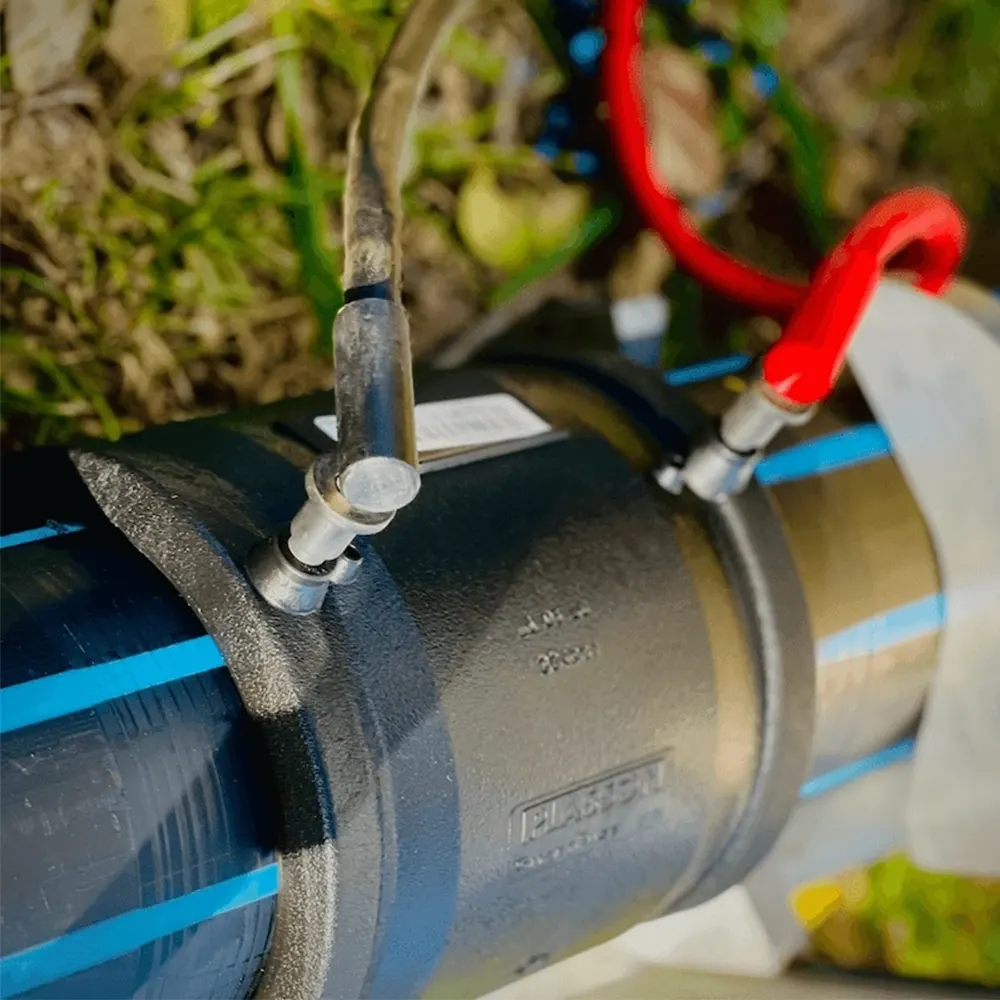
Common Electrofusion Machine Types and Their Uses
Portable Electrofusion Units – Lightweight, battery-assisted units for on-site jointing and maintenance work in tight urban corridors or rural repairs.
Bench/Stationary Electrofusion Machines – Stable platforms for workshops and prefabrication yards where repetitive fittings are welded with higher precision.
Integrated Welding Systems – Automated solutions combining electrofusion and butt-fusion capabilities for manufacturers and large contractors handling high volumes.
| Model Type | Pipe Range (mm) | Automation | Best For |
|---|---|---|---|
| Portable Electrofusion Unit | 20–160 | Manual to Semi-auto | Field repairs, distribution networks |
| Bench Electrofusion Station | 63–315 | Semi-automatic | Prefabrication, utility contractors |
| Integrated Welding System | 63–1200+ | Automatic / CNC | Large-diameter pipelines, OEMs |
How to Choose a Manufacturer in Poland
Certifications & Standards: Verify compliance with EN and ISO standards and look for documented welding procedures and traceability features.
Local Support & Spare Parts: Ensure quick access to parts and trained technicians—important for emergency repairs during freeze periods or schedule-critical projects.
Training & Documentation: Machines should include clear manuals, calibration records, and operator training—crucial for municipal crews and contractor teams.
Test Reports & Warranty: Ask for sample weld test results, service logs, and a competitive warranty that covers electronics and power units.
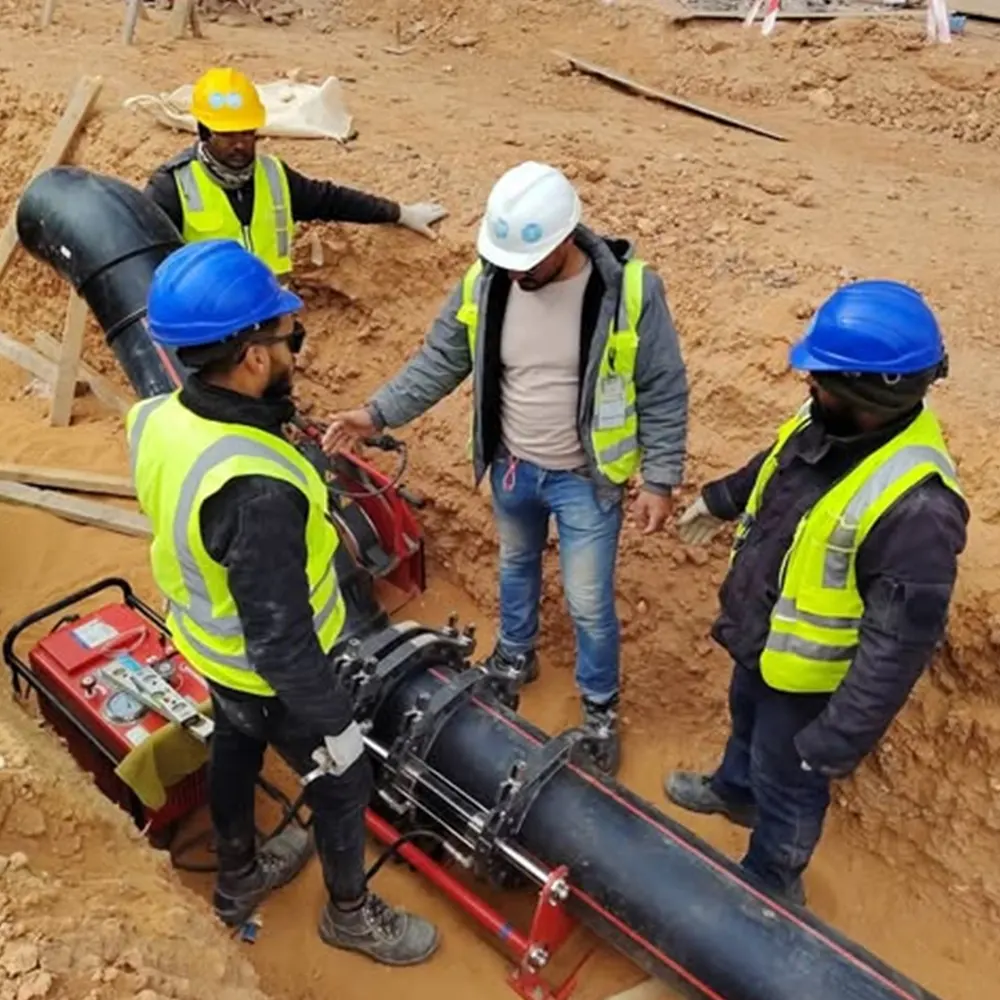
Installation, Calibration, and Maintenance Tips for Polish Sites
Site Calibration: Calibrate machines on delivery in workshop conditions; perform a trial weld and log parameters for later inspection.
Weather Considerations: Protect electronics and fusion areas from snow, rain, and freeze — portable shelters and heated enclosures help maintain consistent cycles.
Periodic Checks: Schedule annual electrical checks, heating plate calibrations, and software updates to keep fusion quality stable over time.
Why Choose a Proven Partner
JQ-Fusion (https://jq-fusionwelding.com/) offers a broad range of HDPE pipe welding solutions from manual to CNC automatic butt fusion and electrofusion machines, backed by manufacturing experience and global projects. Their equipment is suitable for Polish contractors looking for durable, customizable solutions.
Polish procurement teams should prioritize machines with clear documentation, local service options, and proven performance in cold climates. Request test welds, check spare parts lead times, and evaluate training packages before committing to purchases—this approach reduces lifecycle costs and ensures safe, certified pipeline installations across Poland.



