
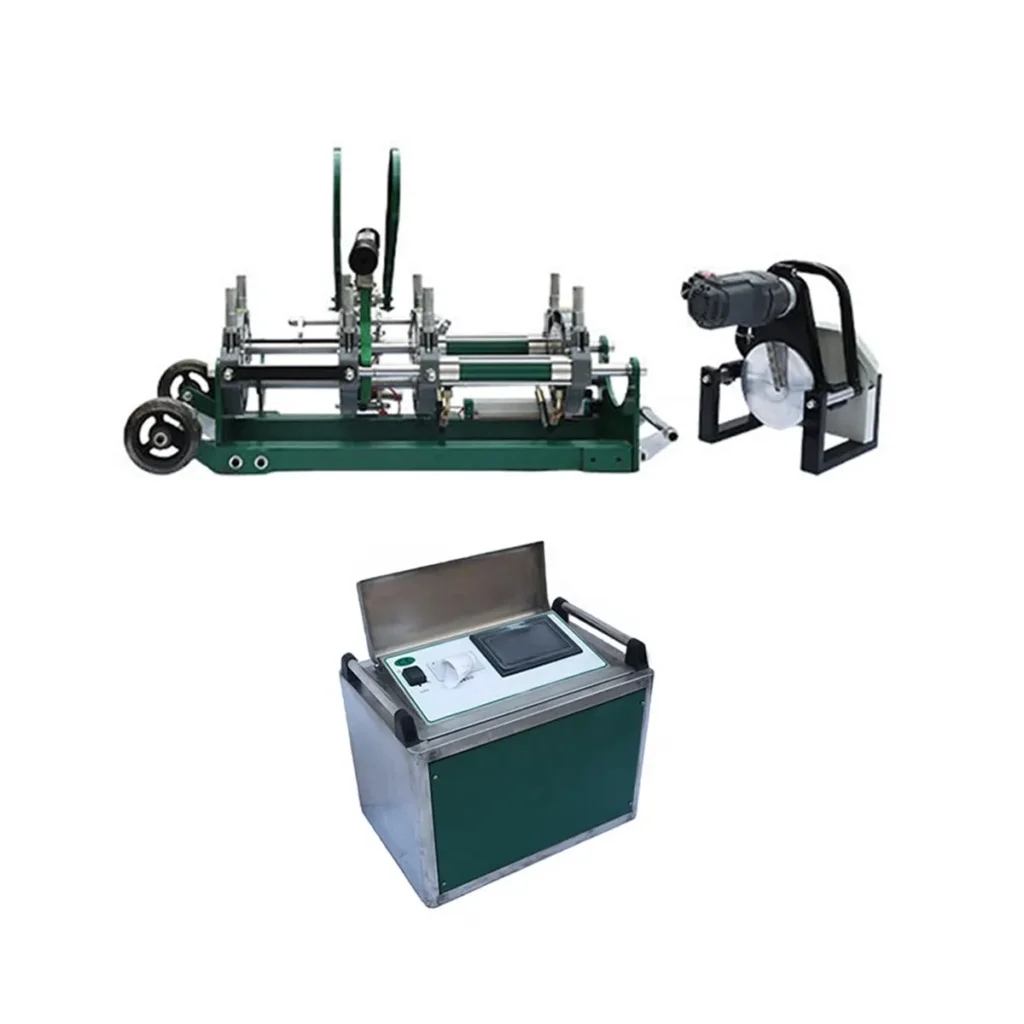
Choosing the right electric fusion welding machine supplier can make or break the success of your piping project. From ensuring joint integrity to optimizing installation speed, the supplier you pick affects equipment reliability, warranty support, and long-term project costs. This guide walks you through practical criteria and negotiation tips to help you select a supplier who fits your technical needs and delivery expectations.
Why the Right Supplier Matters
Quality consistency: Reliable suppliers deliver machines that produce repeatable, certified welds, reducing rework and project delays. Machines that meet recognised standards lower inspection failures and insurance risk.
Technical support and training: On-site or remote commissioning, operator training, and clear operation manuals shorten the learning curve and preserve production timelines.
Spare parts and service network: Fast access to genuine parts and qualified technicians prevents extended downtime on critical runs.
Key Evaluation Criteria
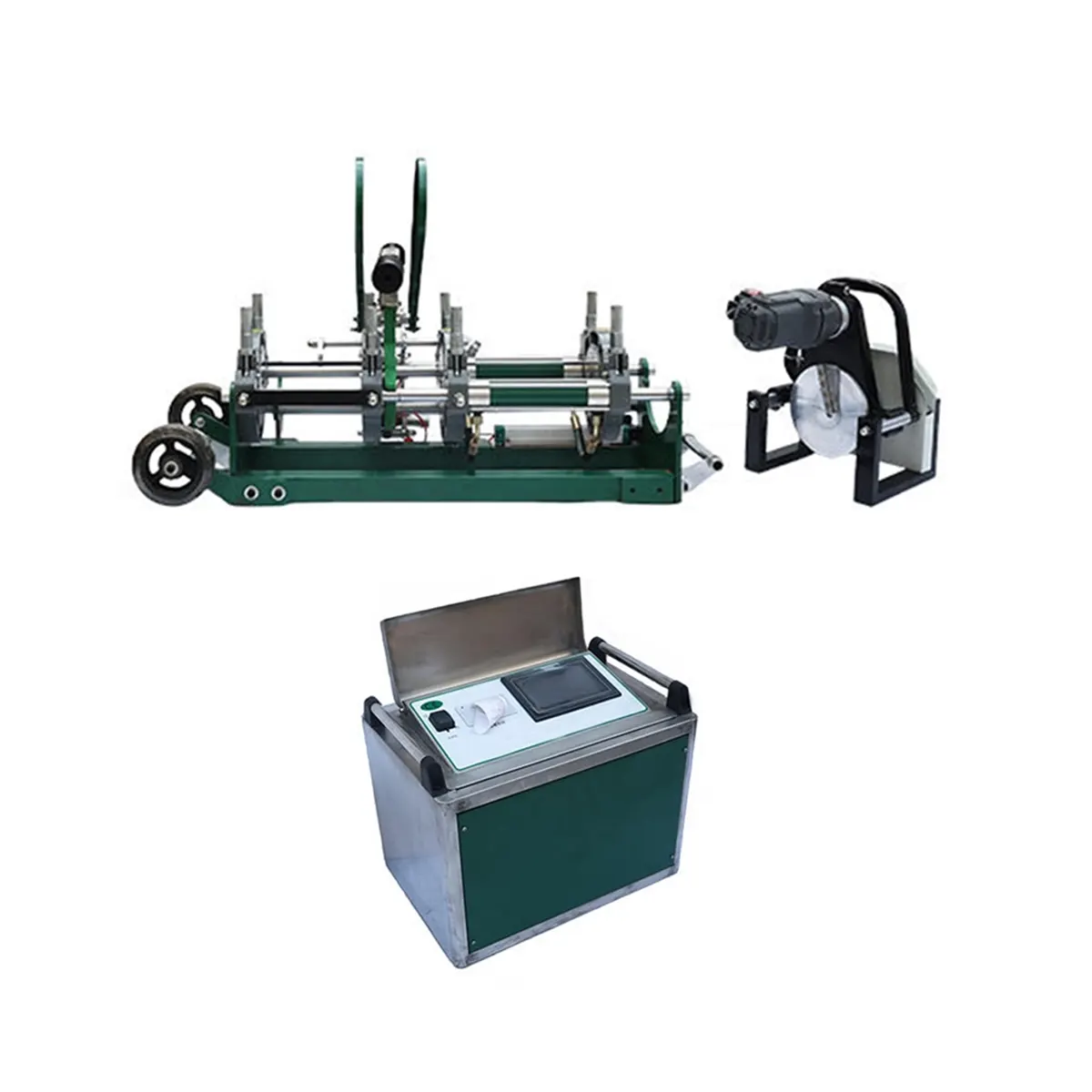
1. Product range and compatibility: Confirm the supplier offers manual, hydraulic, and automatic fusion machines that match your pipe diameters, SDRs, and material types (HDPE, PP, PVDF).
2. Certifications and testing: Ask for compliance declarations, weld qualification records, and independent test reports. Certified thermal control and pressure-test history increase confidence.
3. Customization and upgrade path: Projects often need adapters, clamps, heating plates or CNC control upgrades. A supplier who customizes solutions can save integration time.
4. Delivery lead time and inventory: Reliable lead times and stocked accessories eliminate schedule risk. Check the supplier’s typical shipping windows and stock levels.
5. Warranty and service terms: Prefer clear warranty coverage, defined service response times, and transparent part pricing. Clarify who bears shipping costs for warranty repairs.
Supplier Evaluation Checklist
| Criterion | Why it matters | Questions to ask |
|---|---|---|
| Range & Compatibility | Ensure machine fits pipe sizes and materials | Which models cover my diameter range? Any adapters available? |
| Certifications | Verifies performance and regulatory acceptance | Do you provide test reports and calibration certificates? |
| Support & Training | Reduces operator error and downtime | Is on-site commissioning included? Training options? |
| Spare Parts | Fast repairs keep projects on schedule | Which parts are stocked locally? Lead times? |
| Total Cost of Ownership | Upfront price vs maintenance and downtime | What are expected maintenance intervals and costs? |
Buying and Contract Tips
Get detailed quotes: Request itemised proposals including machine configuration, essential accessories, calibration, spare parts list, shipping, and taxes. Compare total landed cost rather than headline price.
Define acceptance tests: Include factory acceptance tests (FAT) and site acceptance tests (SAT) in the contract. Specify weld sample criteria and measurement tolerance for thermal control and pressure tests.
Lock in spare parts pricing: Negotiate fixed prices or discounts for a minimum parts quantity to prevent inflation-related surprises during long projects.
Operational Considerations
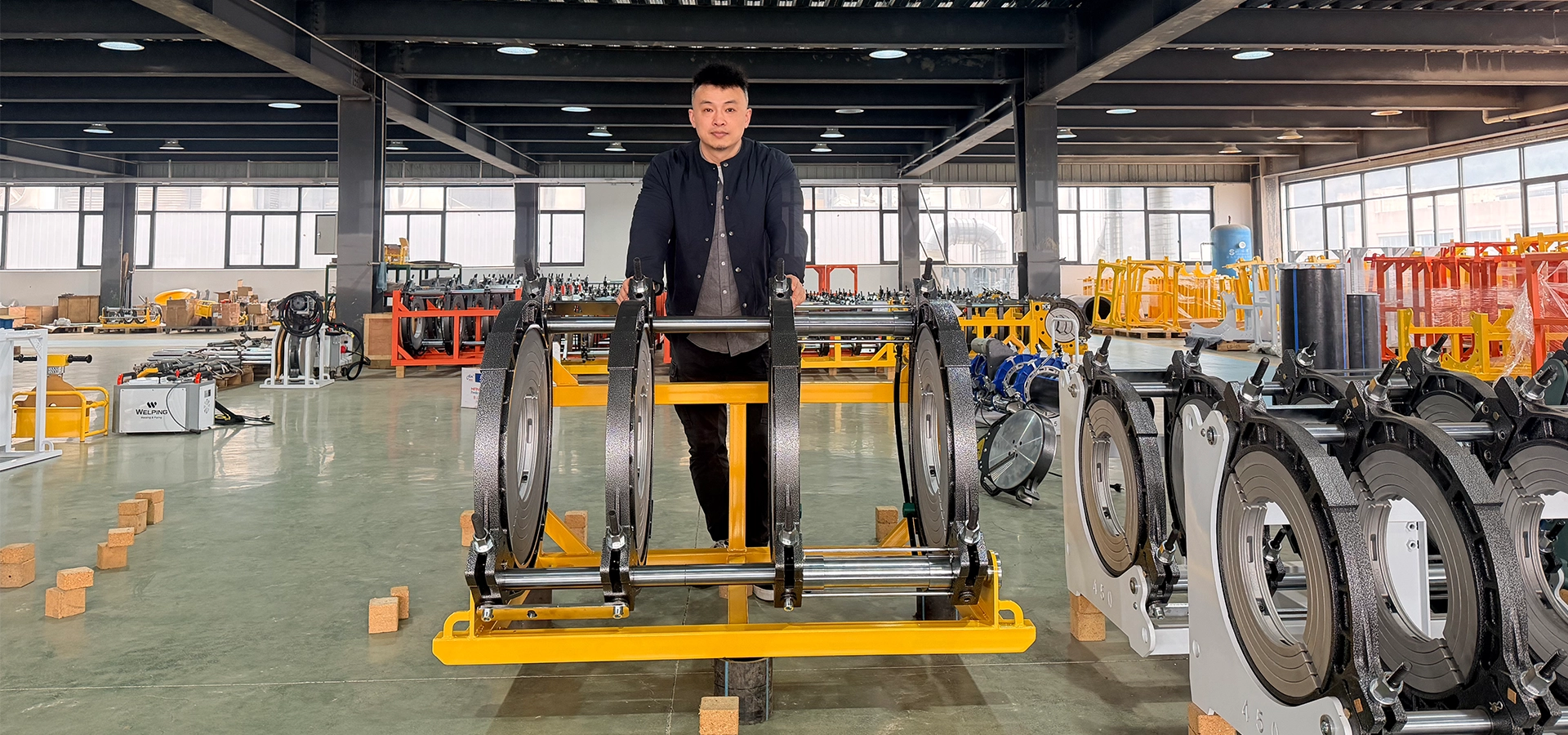
Operator skillset: Assess whether your team needs certification from the supplier or external body. Skilled operators reduce joint failures and increase throughput.
Maintenance plan: Schedule preventive maintenance and calibration. Ask your supplier for recommended service intervals for hydraulic systems, heaters, and electronic controls.
Spare parts kit: Keep a defined kit on-site: heating elements, PTFE covers, hydraulic seals, and a set of clamp inserts for common diameters.
After-sales and Long-term Partnership
Look for suppliers who offer technical hotline support, remote diagnostics, and local service partners. A supplier that invests in long-term training and parts stocking demonstrates commitment to your projects’ success.
Partner Snapshot
JQ-Fusion is a manufacturer focused on manual, hydraulic, and CNC automatic butt fusion welding machines for HDPE pipe applications, offering a broad range from small to large diameters and support for infrastructure projects worldwide.
Final Advice
Prioritise proven performance, clear service commitments, and a transparent total cost of ownership. When you align technical requirements, delivery capability, and support structure, you secure equipment that keeps installation schedules and quality goals on track.



