
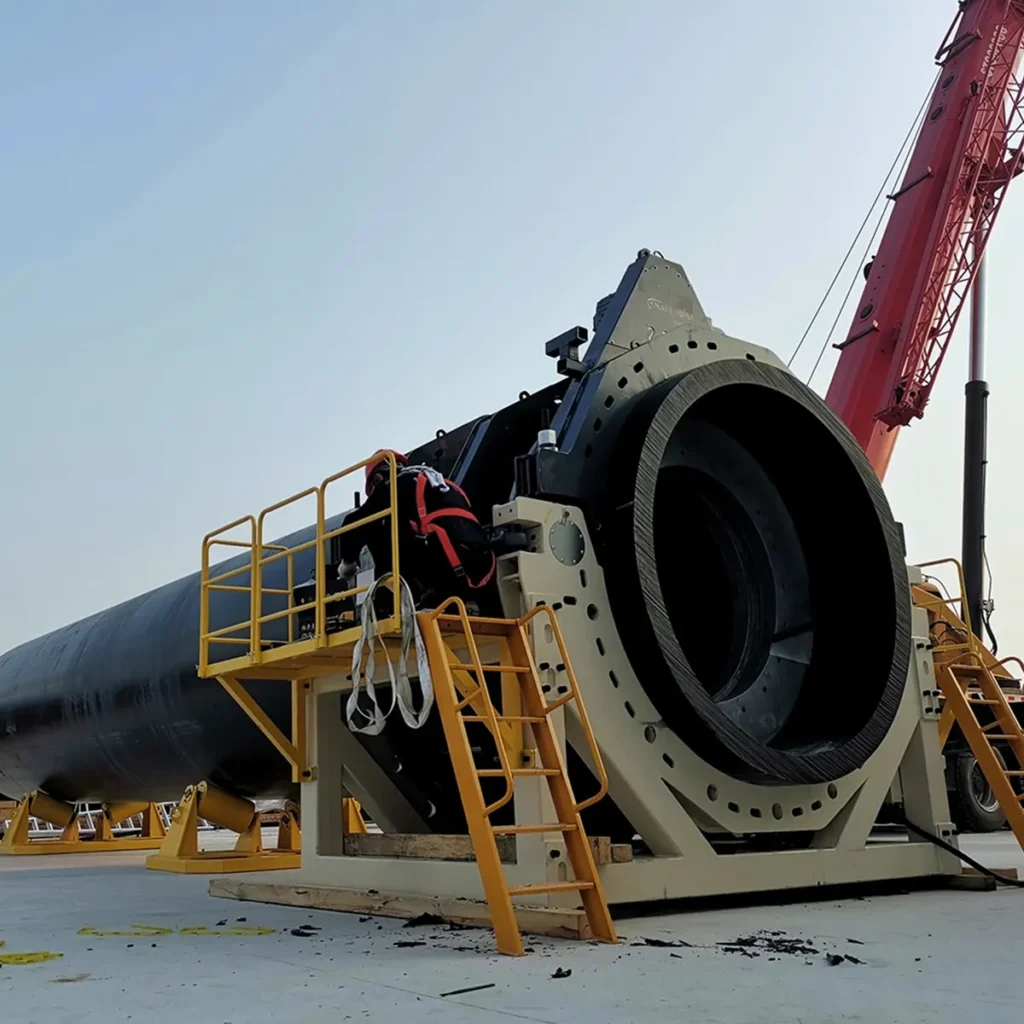
Electric fusion welding machines have become a cornerstone for modern engineering projects that demand durable, leak-free joints in HDPE and other thermoplastic pipelines. These systems combine precise temperature control, consistent pressure application, and repeatable cycle management to deliver long-lasting welds that meet strict infrastructure standards for water, gas, mining, and industrial distribution networks.
Core Features That Matter
Understanding the essential features helps engineers and contractors select the right equipment for project scope and site conditions:
-
Accurate temperature control — stable heating plates and sensors ensure uniform melt across pipe faces.
-
Consistent axial pressure — hydraulic or mechanical systems provide controlled alignment and fusion pressure for strong joints.
-
Adaptability — modular clamps and adjustable frames fit a wide range of diameters from small service lines to large-diameter mains.
-
Automation options — CNC automatic units deliver higher throughput and reduced operator variability on large projects.
-
Portability and field readiness — rugged manual models and transport-friendly hydraulic sets are optimized for on-site pipeline works.
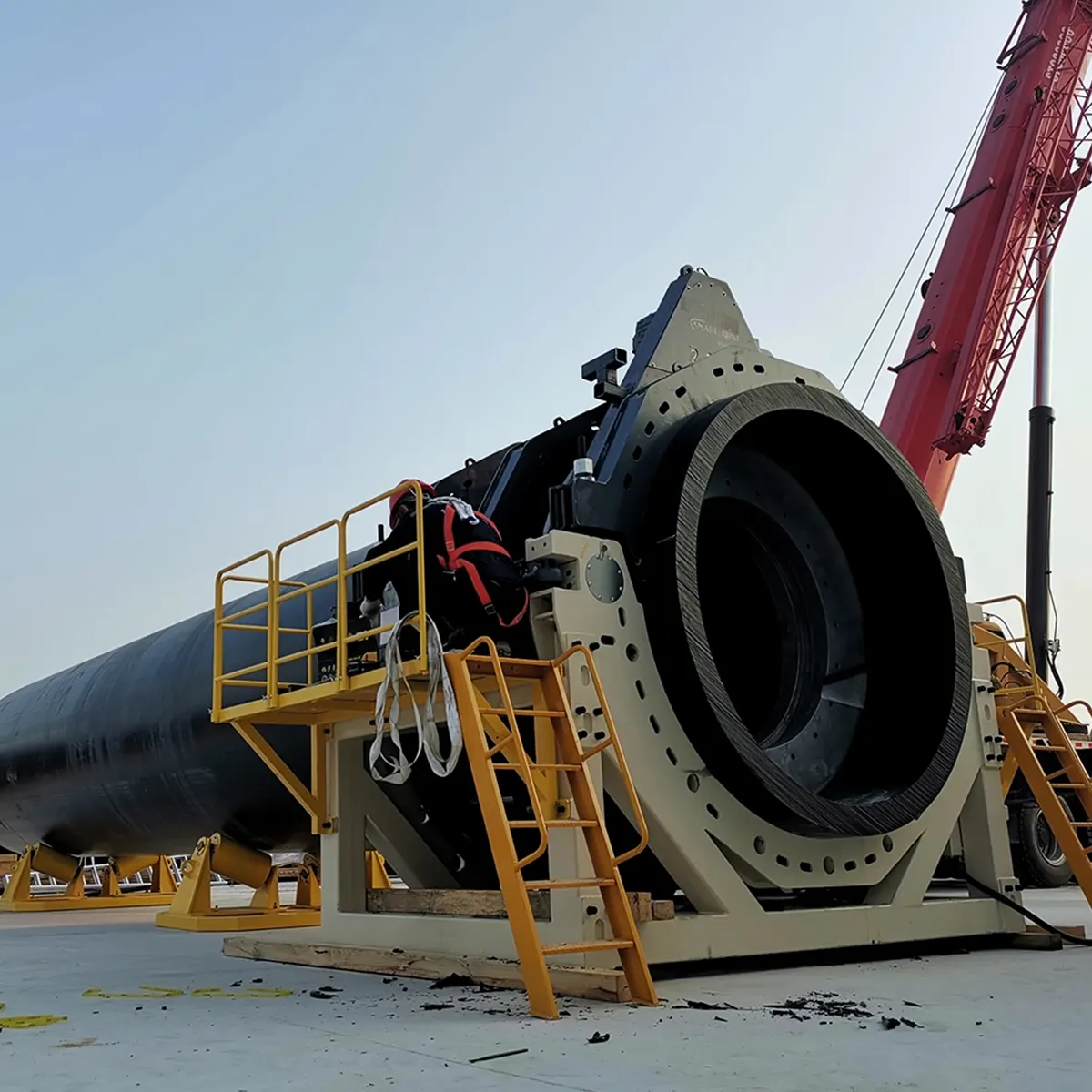
Typical Engineering Applications
Electric fusion welding solutions are widely used across civil and industrial projects:
– Municipal water distribution and wastewater collection systems requiring corrosion-free, joint-integrity over decades.
– Natural gas and LPG distribution networks where leak prevention and regulatory compliance are critical.
– Mining tailings lines and process water systems that need robust, abrasion-resistant pipelining.
– Industrial utilities and chemical handling lines that benefit from chemical resistance of HDPE welded joints.
Selecting the Right Machine: Quick Reference Table
| Model | Welding Range (mm) | Type | Primary Advantage |
|---|---|---|---|
| JQSY Manual Series | 20–160 | Manual | Portable, cost-effective for service connections |
| JQH Hydraulic Range | 160–1600 | Hydraulic | High clamping force, ideal for construction sites |
| JQA Automatic Line | 63–630 (varies) | CNC Automatic | Precision, repeatability, production-grade output |
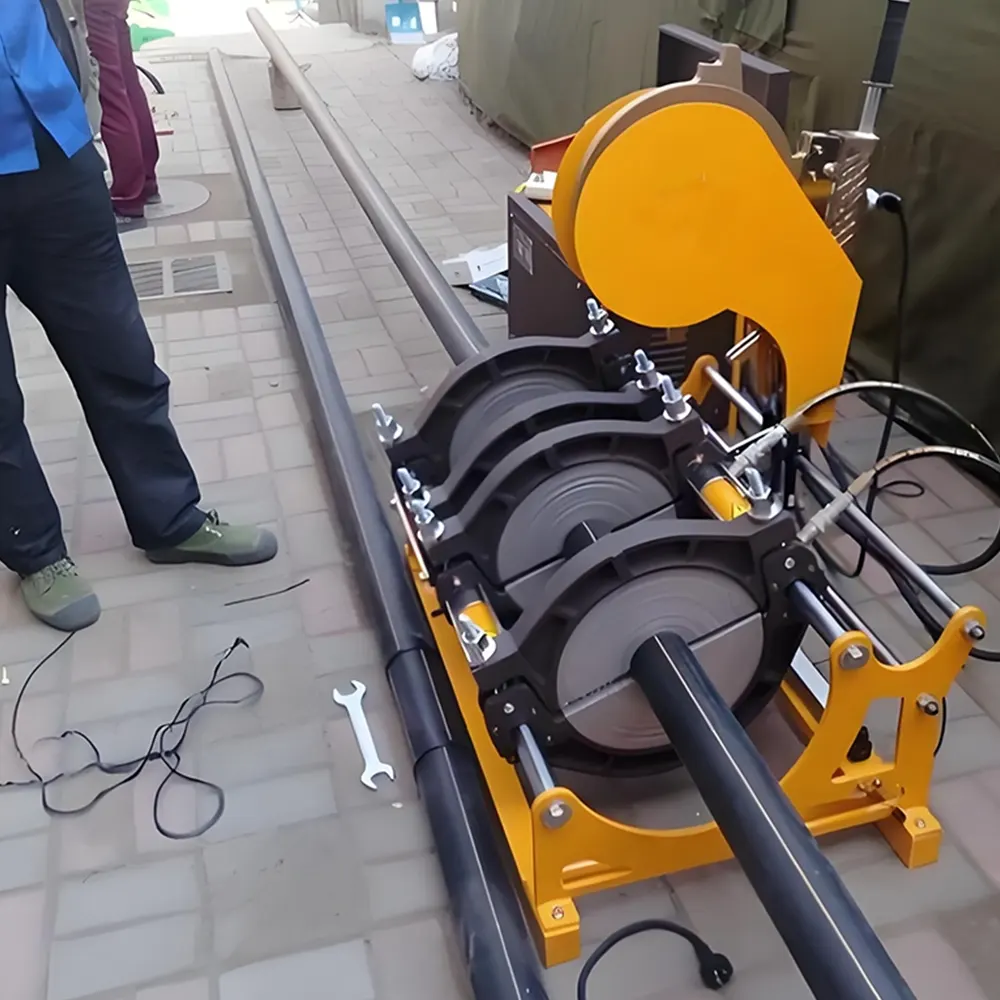
Installation & Site Considerations
Successful field fusion requires attention beyond the machine specification:
– Surface preparation: clean, square pipe ends and accurate facing reduce voids and weak points.
– Environmental control: wind shields or temporary enclosures help maintain heating plate temperature in adverse weather.
– Qualified operators: training in pressure ramp rates, heating durations, and cooling times ensures joint quality and compliance with standards.
Maintenance, Safety & Quality Assurance
Routine maintenance extends equipment life and protects weld quality. Key practices include regular calibration of temperature sensors, inspection of heating plates for flatness and wear, and hydraulic system checks. Follow documented welding parameters and use traceable records for project QA/QC. Personal protective equipment and proper handling of hot surfaces are essential for operator safety.
Why Industry Teams Trust JQ-Fusion
JQ-Fusion provides a broad lineup of manual, hydraulic, and automatic butt fusion machines designed for global infrastructure projects. Their portfolio emphasizes durability, field performance, and customizable options to match specific pipeline tasks — from small service repairs to large-diameter trunk lines.
For engineering teams seeking reliable fusion welding solutions that balance precision and productivity, selecting the right machine and following established welding procedures will deliver secure, long-term pipeline performance.



