
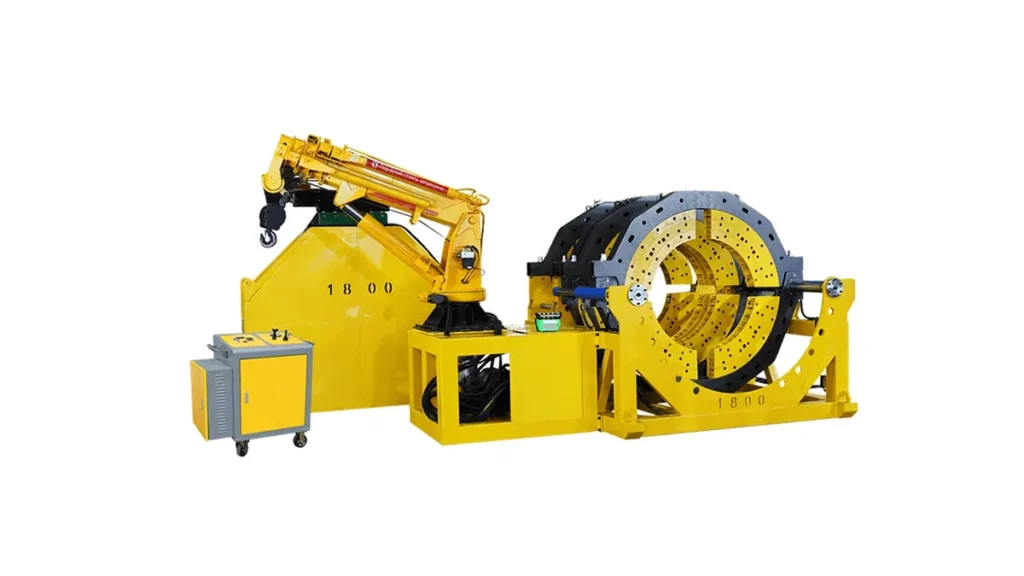
Construction projects depend on reliable welding equipment, but buying the most expensive machine isn’t always the fastest route to savings. This guide shows practical, SEO-driven strategies to optimize construction welding machine costs while protecting quality and schedule. Learn how lifecycle thinking, smart procurement, on-site efficiency, and targeted maintenance reduce total project expenditures.
Why Cost Optimization Matters for Welding Machines
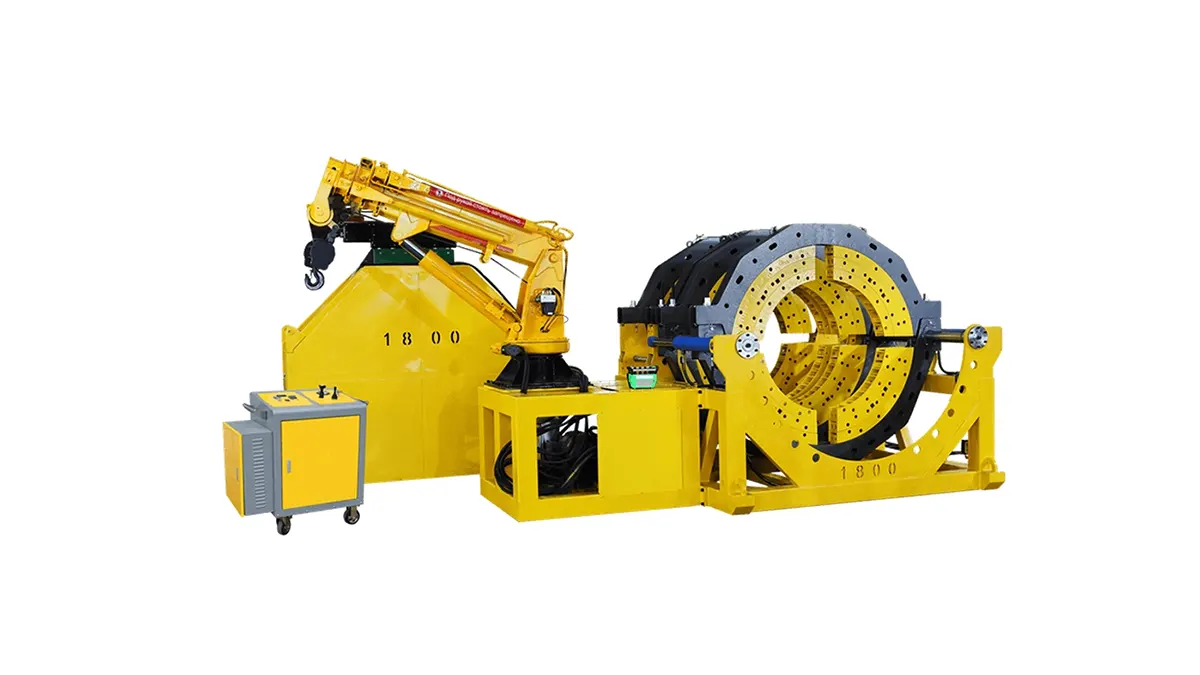
Upfront price is only one part of the equation. Labor time, consumables, rework, downtime, and transport all add to the real cost. Focusing on Total Cost of Ownership (TCO) helps managers compare models — from manual frames to hydraulic and CNC automatic butt fusion machines — and choose solutions that minimize long-term expenses.
Assess Total Cost of Ownership (TCO)
Break down costs into: purchase price, transport, setup, operator training, consumables (e.g., heating plates, scrapers), routine maintenance, repair parts, and expected service life. Use simple TCO models to predict 3–5 year outcomes and prioritize options with lower lifecycle costs even if initial investment is higher.
Key TCO tips
• Estimate downtime impact: a reliable machine can save thousands in delayed labor.
• Value modular systems: interchangeable components lower spare-parts inventory and repair costs.
• Factor resale or trade-in value into lifecycle calculations.
Match Machine Type to Project Needs
Select the right class of welding machine for your pipe sizes and environment. Manual units suit small, remote jobs with low hourly rates; hydraulic and automatic butt fusion machines are efficient for high-volume or large-diameter pipelines. Choosing an over-specified machine increases capital and transport costs unnecessarily.
Procurement Strategies That Save
Procurement choices influence both price and long-term costs. Combine these strategies to lower spend without risking quality:
• Bulk or fleet purchases to negotiate discounts and lower per-unit shipping.
• Consider certified refurbished units with warranties for non-critical backup equipment.
• Lease or rent specialized machines for short-term projects to avoid idle capital.
Financing & Warranty Levers
Extended warranties, on-site training packages, and bundled spare-part kits reduce unexpected expenses. Negotiate service-level agreements (SLAs) that prioritize quick turnaround on critical repairs to protect project timelines.
| Strategy | Typical Investment | Estimated Savings | Payback |
|---|---|---|---|
| Buy right-sized machine | Low–Medium | 10–25% | 6–18 months |
| Operator training | Low | 20–40% | 3–12 months |
| Preventive maintenance | Medium | 30–60% | 2–12 months |
| Leasing / renting | Varies | Lower capital tie-up | Immediate |
Reduce On-Site Waste and Rework
Standardize joint procedures and quality checks to avoid costly rework. Use calibrated heating plates and accurate alignment clamps; these small controls dramatically reduce scrap rates. Pre-plan welding sequences and crew rotations to minimize machine idle time and shift change delays.
Training & Process Controls
Invest in short, focused operator training sessions emphasizing setup, tool care, and welding parameters. Certified operators produce consistent weld quality, lowering inspection costs and improving first-pass yield.

Maintenance that Pays Back
Preventive maintenance plans extend machine life and reduce emergency repairs. Keep a compact spare-parts kit for wear items, schedule regular calibration of heating elements, and document repairs to spot systemic issues early. Planned maintenance typically outperforms reactive fixes by cutting downtime and total repair spend.
Quick checklist before project start
• Confirm machine calibration and heating plate condition.
• Verify availability of consumables and spare parts.
• Assign trained operators and run a short live test weld.
• Create a simple daily log to capture issues early.
Choosing a Trusted Supplier
A reliable manufacturer who offers clear support, documentation, and spare parts shortens downtime and reduces lifecycle risk. For pipeline projects seeking butt fusion solutions, consider equipment backed by experienced production and service support — for example, JQ-Fusion — to ensure parts availability and technical guidance.
Final action plan
Run a TCO comparison for shortlisted models, include training and maintenance in budgets, and pilot the chosen machine on an early scope to validate assumptions. Small investments in operator skills, preventive care, and the right procurement model deliver the biggest cost improvements over the project lifecycle.


