
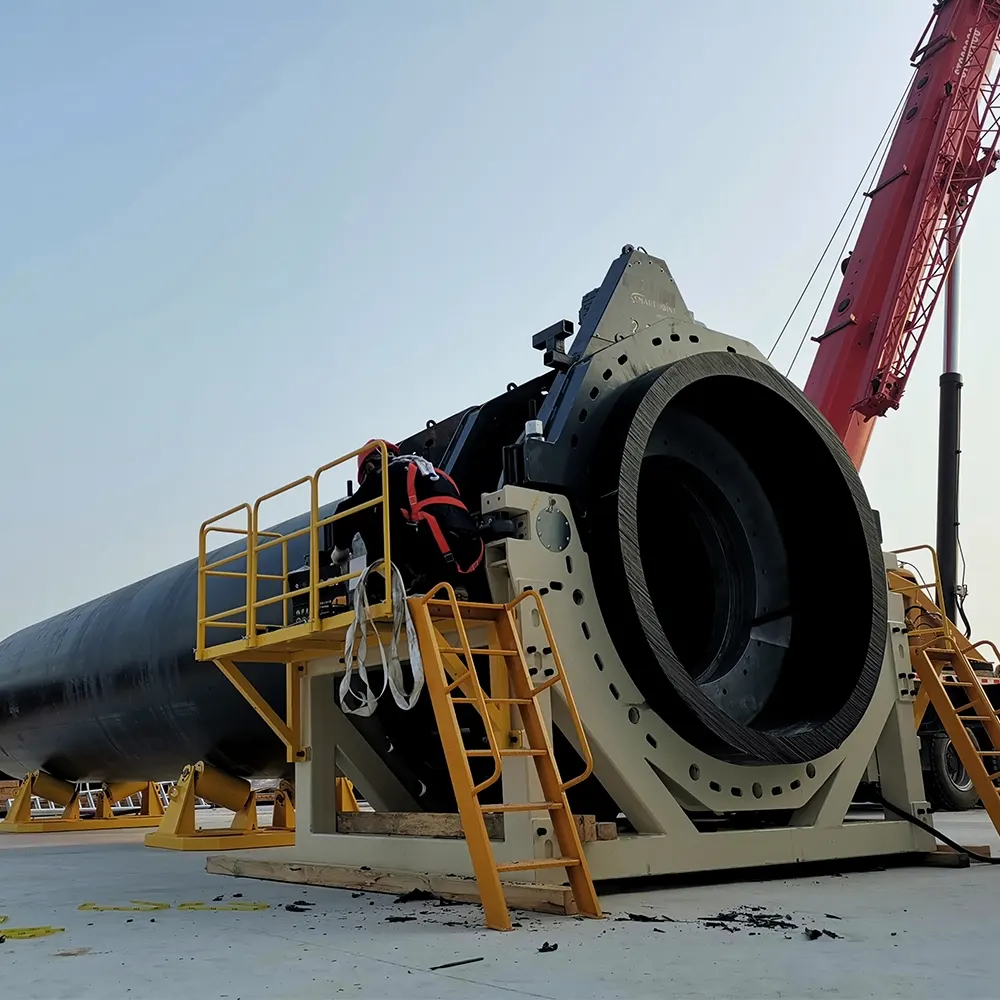
In the world of modern pipeline infrastructure, precision is everything. Whether you are working on a municipal water supply network, a gas distribution system, or an industrial mining operation, the integrity of the joint determines the lifespan of the entire system. The CNC pipe fusion control system has revolutionized how contractors approach butt fusion welding by automating critical parameters and removing the guesswork from the operator’s hands. Unlike manual or semi-hydraulic setups, a fully automatic CNC pipe fusion control system ensures that every phase of the welding cycle meets the strict requirements of international standards.
What Is a CNC Pipe Fusion Control System?
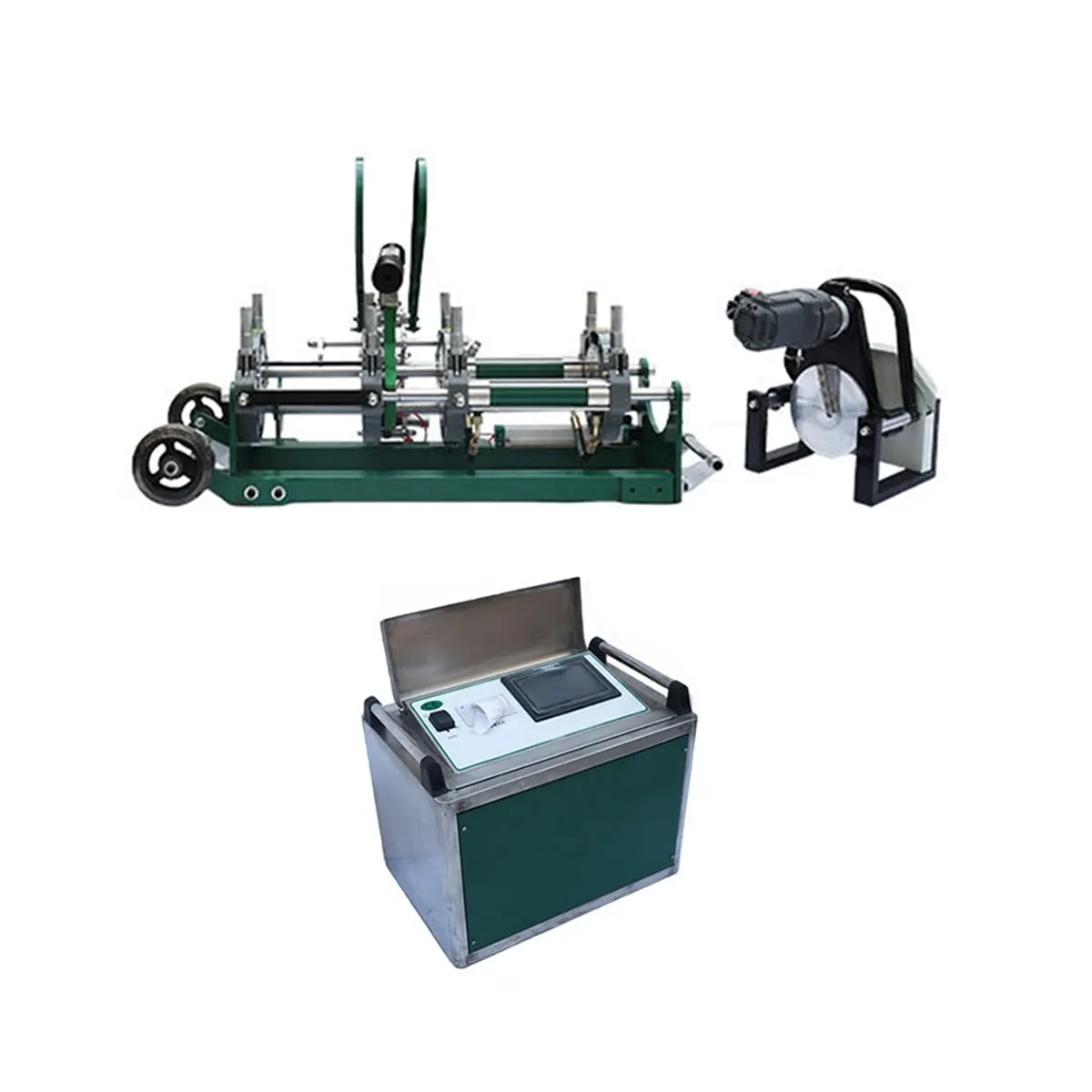
A CNC pipe fusion control system is an advanced electronic platform integrated into CNC automatic butt fusion machines. It digitally monitors and manages the entire fusion cycle—including bead-up pressure, heat soak time, heater plate removal, and cooling time—according to pre-programmed ISO 21307 butt fusion procedures. The system uses sensors and hydraulic actuators to maintain constant interfacial pressure, compensating for environmental variables that would otherwise compromise the weld. From small-diameter service lines to heavy-wall large-diameter pipes, the control system logs every data point in real time, creating an auditable traceability record for quality assurance.
Core Features of a Modern CNC Control Unit
Not all control systems are built the same. The most effective CNC pipe fusion control system solutions on the market share a set of defining characteristics that directly impact field productivity.
- Automatic Parameter Calculation: The operator inputs the pipe material, diameter, and wall thickness. The system automatically retrieves the corresponding PE butt fusion equipment standard parameters.
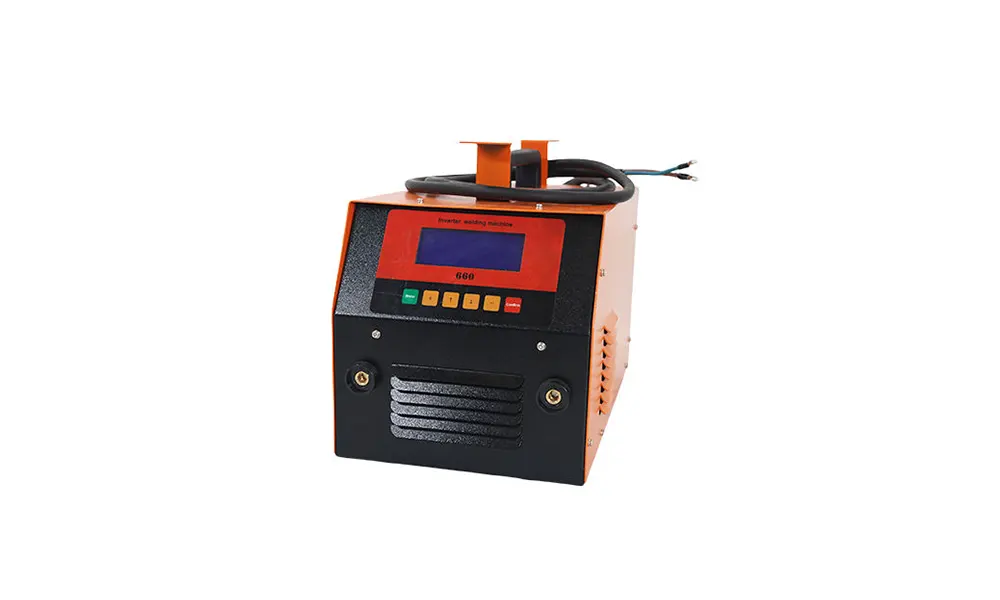
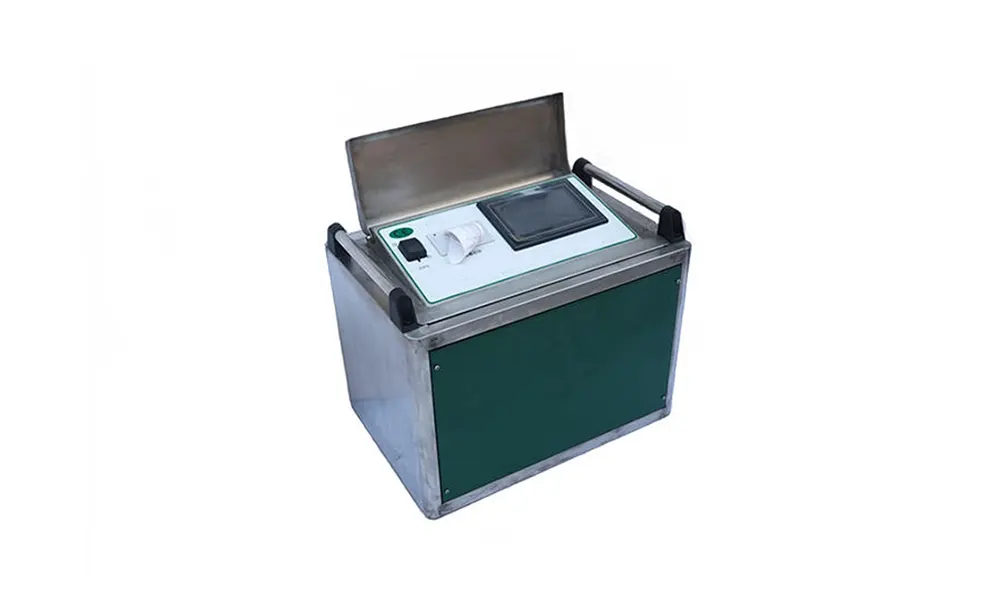
- Real-Time Data Logging: Pressure, temperature, and time curves are displayed on a rugged touchscreen interface and stored for report generation.
- Hydraulic Force Compensation: Dynamic drag calculation eliminates the need for manual drag checks before every joint, significantly reducing cycle times on hydraulic butt fusion models.
- Multi-Language Operation: Modern units support English, Spanish, French, and Arabic interfaces, catering to international construction teams.
- Emergency Alert Diagnostics: If the heating plate temperature deviates or the pressure falls outside the allowable window, the system triggers an immediate alarm.
Benefits That Transform Pipeline Productivity
Transitioning from manual logic to a CNC pipe fusion control system is not just a technological upgrade; it is a strategic business decision. Here is why leading contractors are making the switch.
Consistent Weld Quality in All Weather Conditions
Manual welding often suffers from operator fatigue and environmental interference. A CNC pipe fusion control system eliminates these variables. Whether you are working in the freezing winters of Northern Europe or the scorching deserts of the Middle East, the automated system holds the interfacial pressure steady. This consistency directly translates to passing ASTM F2620 heat fusion destructive tests on the first attempt.
Reduced Training and Operator Dependency
Skilled fusion technicians are becoming harder to find. A sophisticated CNC interface guides the operator step-by-step, reducing the training curve significantly. The machine validates whether the PE fusion operator requirements are being met through the machine logic rather than relying solely on the individual’s judgment.
Complete Traceability for Compliance
Regulatory bodies increasingly demand proof of joint integrity. A CNC pipe fusion control system generates PDF or CSV reports containing the exact pressure and temperature profiles for every joint. This meets the strictest PE fusion traceability protocols, making audits and client sign-offs remarkably smoother.
| Feature | Manual/Hydraulic Machines | CNC Control System |
|---|---|---|
| Pressure Control | Manual gauge monitoring | Automatic servo regulation |
| Data Recording | Paper checklist | Digital log with timestamps |
| Drag Calculation | Manual pre-check required | Automated dynamic sensing |
| Operator Error Risk | High | Minimized through automation |
Buying Guide: Selecting the Right CNC Pipe Fusion Control System
When purchasing a fusion machine equipped with a CNC pipe fusion control system, you are investing in the future pipeline quality. Keep these critical factors in mind to avoid buying a machine that underperforms.
Pipe Range and Hydraulic Power
Ensure the control system matches the frame capacity. For municipal projects handling 630mm to 2250mm HDPE pipes, you need a heavy-duty hydraulic power unit precisely dialed in by the CNC logic. Lightweight systems cannot maintain the required force for thick-wall automatic butt fusion machines.
Software Flexibility and Update Capability
The software should be easily updatable. If the software is locked, you cannot adapt to new materials like PE100-RC or adjust profiles for specific project specifications.
Ruggedness of the Interface
Construction sites are harsh. The touchscreen must be sunlight-readable and resistant to dust and water. A good CNC pipe fusion control system uses industrial-grade enclosures that protect the electronics from the vibration of the butt fusion welding process.
Application Scenarios Across Industries
The versatility of a CNC pipe fusion control system makes it indispensable across multiple sectors. In gas distribution, the exacting standards of PE gas piping systems mandate the use of automation to prevent leak paths. For water supply, consulting engineers frequently specify automatic control to adhere to ISO 4427 PE water pipes. Meanwhile, in mining, where slurry pipelines endure extreme abrasion, the consistency provided by the CNC system prevents premature failures at the seams.
Advanced Integration with HDPE Pipe Standards
To truly leverage your investment, the control system should align with globally recognized protocols. This compliance ensures that the joint matches the lifetime of the pipe itself. The integration with PE piping data coding also helps owners maintain digital twins of their network assets. The CNC pipe fusion control system bridges the gap between the physical weld on-site and the digital quality management systems required for smart city infrastructure.
Why Choose JQ-Fusion for Your CNC Control Needs?
At JQ-Fusion, we specialize in the development and production of CNC automatic butt fusion welding machines that incorporate our proprietary CNC pipe fusion control system. Our control logic is engineered for intuitive ease of use while remaining rigidly compliant with technical guidelines found in the PPI technical guidance library. With a large inventory of standard and custom-configurable units, we deliver the precision and reliability required for high-stakes infrastructure projects worldwide. Because we focus on rigorous temperature accuracy and clamp alignment testing, every control system we ship ensures strong and consistent welding results for your critical HDPE pipelines.
Conclusion
Upgrading to a CNC pipe fusion control system is essential for any contractor aiming to win tenders for modern gas field or water transfer projects. The ability to document, automate, and standardize the fusion process protects your reputation while lowering your long-term operational costs. Whether you are handling a standard butt joint or a specialized multi-angle fitting, a CNC pipe fusion control system empowers you to meet the most demanding quality benchmarks effortlessly.



