
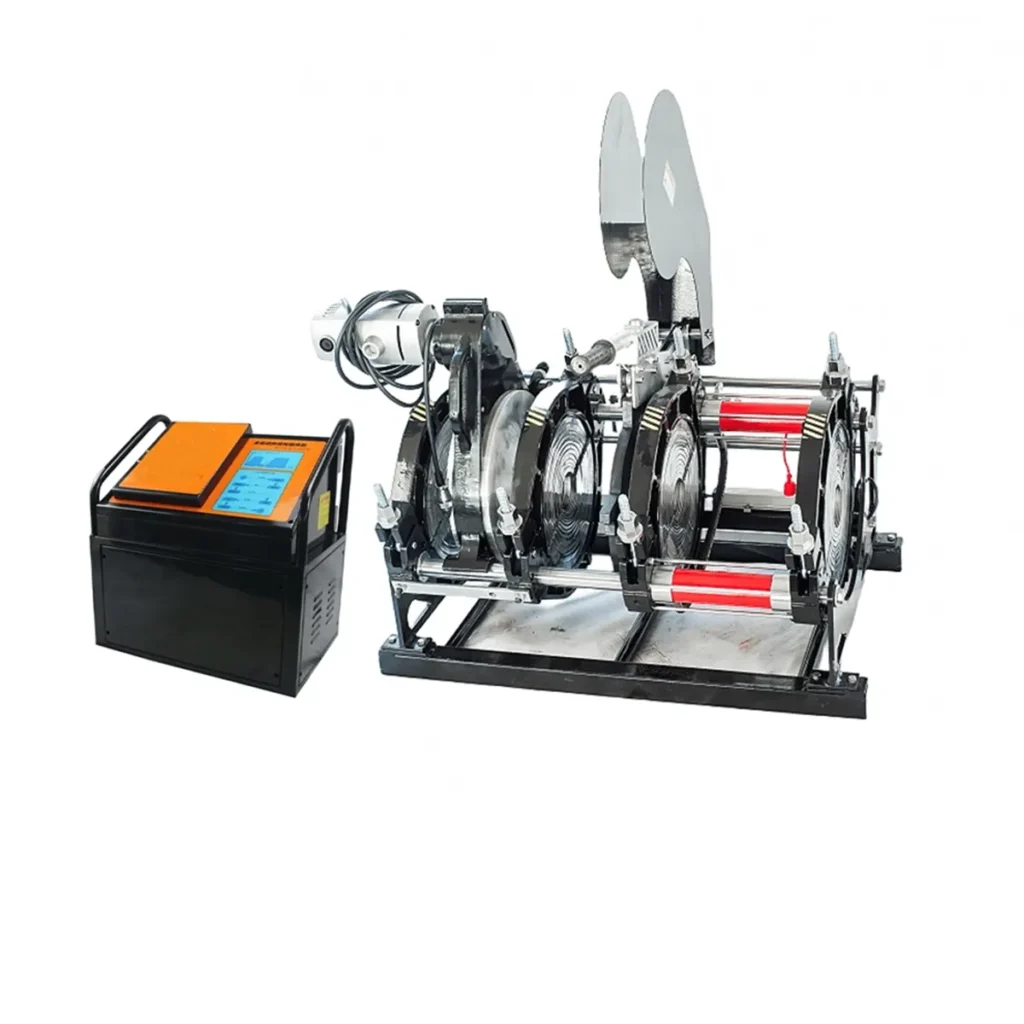
In today’s demanding pipeline infrastructure projects, the shift toward automation is reshaping how contractors approach polyethylene pipe joining. An automatic pipe welding machine for HDPE eliminates the guesswork and variability of manual processes, delivering consistent, high-integrity welds that meet rigorous international standards. Whether you’re working on water supply networks, gas distribution systems, or industrial fluid transport, understanding the capabilities of these advanced machines is essential for staying competitive.
What Defines an Automatic HDPE Pipe Welding Machine?
An automatic butt fusion machine goes beyond basic hydraulic or manual equipment by integrating intelligent control systems that manage the entire welding cycle. Unlike conventional setups where operators must manually control pressure and timing, an CNC automatic butt fusion welding machine precisely executes each phase according to pre-programmed parameters. The system controls the heating plate temperature, monitors the melt bead formation, and applies the exact fusion pressure required for the specific pipe diameter and material grade. This level of automation ensures that every joint meets the ISO 21307 butt fusion procedures, reducing the risk of human error and improving overall project reliability.
Core Features of Modern Automatic Pipe Welding Machines
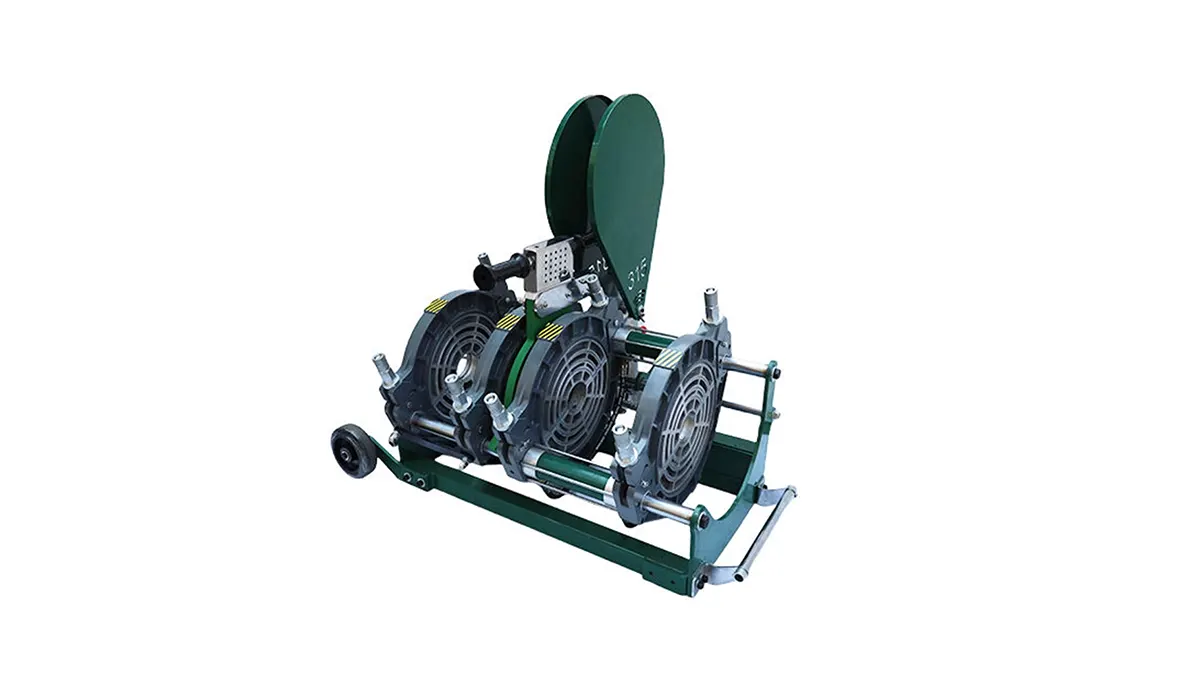
When evaluating an automatic pipe welding machine for HDPE, several technological features distinguish premium models from basic equipment. The integration of these components determines the machine’s ability to produce repeatable, code-compliant joints across varying site conditions.
Programmable Logic Control with Data Logging
The heart of any automatic system is its controller. Advanced machines feature touchscreen interfaces that store multiple welding protocols for different pipe sizes and SDR ratings. During each fusion cycle, the system records critical parameters—including heating time, temperature, and applied pressure—creating a permanent digital record. This traceability aligns directly with PE fusion traceability requirements, giving project managers and inspectors confidence in every joint’s integrity.
Precision Hydraulic Alignment and Clamping
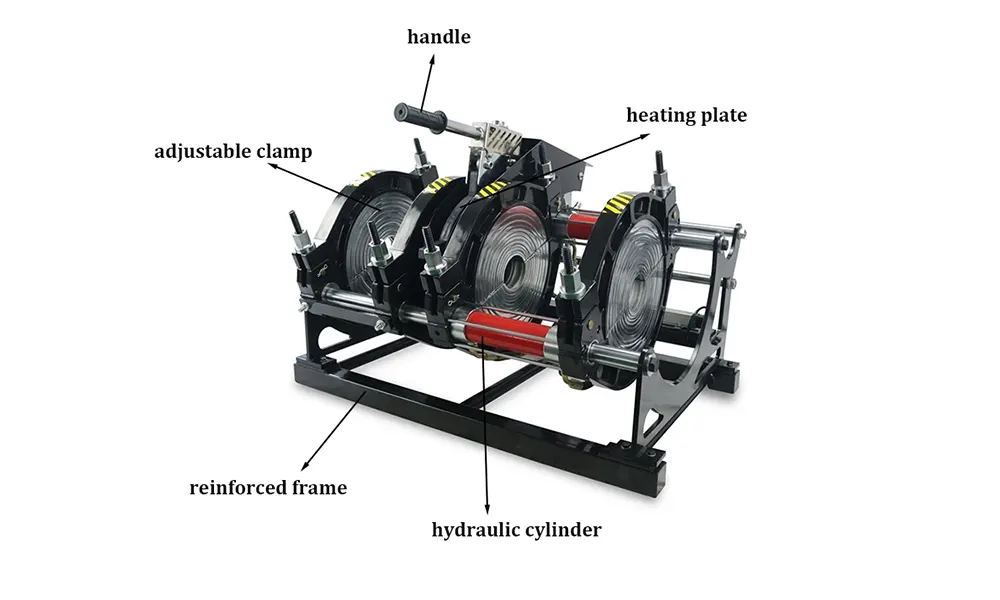
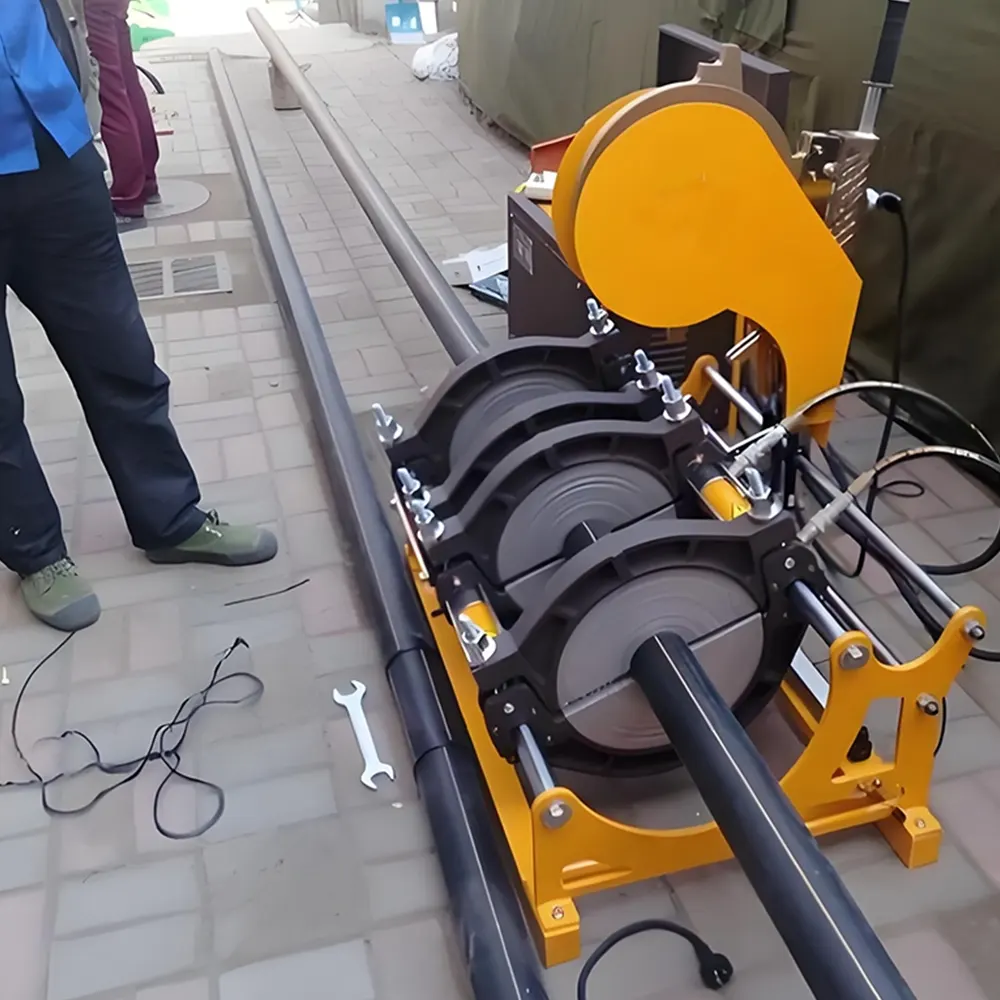
Proper alignment is fundamental to butt fusion quality. Automatic machines utilize hydraulic clamping systems with independently adjustable jaws that grip the pipe circumference evenly. The carriage moves along precision-machined guide rails, maintaining perfect axial alignment between pipe ends. This design minimizes the ovality that can occur with manual clamping and ensures the fusion faces meet squarely under controlled pressure.
Adaptive Heating Technology
Temperature consistency across the heating plate is non-negotiable for proper fusion. Quality automatic machines incorporate digitally controlled heating elements with multiple temperature zones, maintaining surface uniformity within ±5°C. The non-stick coating on the plate prevents material adhesion, while the automatic plate extraction mechanism ensures a smooth transition from the heating phase to the fusion phase without delay or contamination.
Key Benefits That Drive Project Success
Investing in an automatic pipe welding machine for HDPE yields measurable advantages throughout the project lifecycle. These benefits extend beyond the weld itself to impact overall productivity, cost control, and long-term system performance.
| Benefit Category | Manual/Hydraulic Method | Automatic CNC Method |
|---|---|---|
| Weld Consistency | Dependent on operator skill and attention | Repeatable, protocol-driven results |
| Production Speed | Variable, slower on large diameters | Optimized cycle times, higher daily output |
| Documentation | Manual logs, prone to gaps | Automatic digital reports for each joint |
| Operator Fatigue | High, especially on repetitive tasks | Reduced, machine handles critical phases |
Beyond the comparison shown above, automatic machines significantly reduce the rejection rate of field welds. By eliminating variables like inconsistent heating time or uneven pressure application, contractors experience fewer destructive test failures and less rework. This reliability translates to lower material waste and faster project completion, directly improving the bottom line.
Essential Buying Considerations for Your Next Machine
Selecting the right automatic pipe welding machine for HDPE requires careful evaluation of both technical specifications and practical operational factors. The following checklist will guide your procurement decision.
- Pipe Diameter Range: Confirm that the machine accommodates the minimum and maximum diameters you regularly encounter. A machine rated for 160mm to 630mm covers many municipal applications, while large-diameter projects may require capacity up to 2000mm or more. Verify that the clamping system handles the full range without requiring excessive insert changes.
- Material Compatibility: Ensure the fusion protocols support the specific PE grades you use, including PE80, PE100, and PE100-RC. The controller should allow parameter adjustments for different SDR ratios and material specifications as outlined in PE butt fusion equipment standards.
- Portability and Site Adaptability: Consider whether the machine will be used in a fixed yard location or transported between job sites. Look for models with integrated lifting points, robust frame construction, and optional track-mounted carriages for terrain mobility.
- Data Output and Reporting: Examine the data logging capabilities. The system should export joint reports in common formats (PDF, CSV) with timestamps, operator identification, and all measured parameters. This is critical for PE fusion operator requirements and project documentation.
- Spare Parts and Service Support: Assess the manufacturer’s spare parts inventory and technical support responsiveness. Downtime on a critical piece of equipment can delay entire project schedules.
Understanding the Welding Cycle: Automated Precision
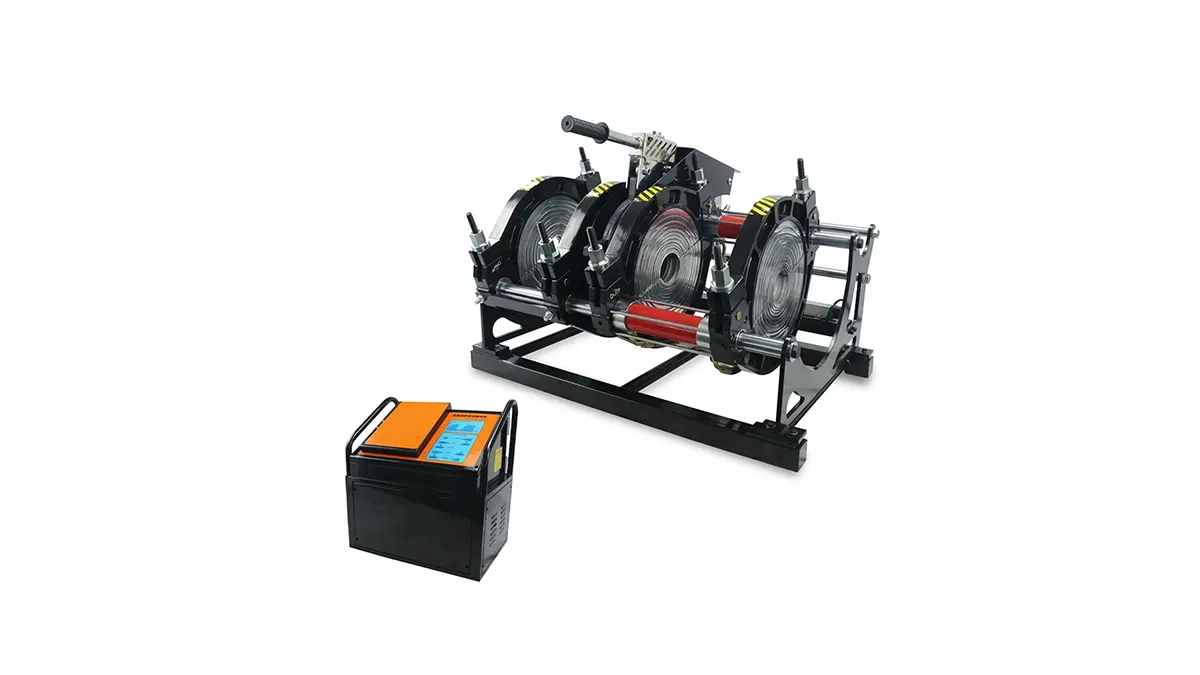
The automatic butt fusion process follows a precisely choreographed sequence that the machine executes with minimal operator intervention. First, the pipe ends are faced using an integrated trimmer, creating clean, parallel surfaces. The heating plate is then inserted and the pipes are brought into contact under controlled bead-up pressure. Once the proper melt bead has formed, the plate is swiftly removed and the fusion pressure is applied. The machine holds this pressure throughout the cooling phase, preventing any movement that could compromise joint integrity. This adherence to the PPI butt fusion procedure is what makes automatic systems the preferred choice for critical applications.
Applications Across Infrastructure Sectors
The versatility of HDPE pipe automatic welding machines makes them indispensable across diverse fields. In municipal water supply, they create leak-free connections that withstand pressure fluctuations and ground movement. Gas distribution networks rely on the robust, homogenous joints these machines produce, meeting the safety requirements of PE gas piping systems. Mining operations use them for slurry transport lines where reliability under abrasive conditions is paramount. Industrial facilities employ automatic fusion for chemical transfer pipes where contamination prevention and joint strength are critical.
Maximizing Return on Your Equipment Investment
To fully realize the potential of an automatic pipe welding machine for HDPE, proper operator training is essential. While the machine automates the fusion cycle, personnel must understand setup procedures, parameter selection, and routine maintenance. Regular calibration of temperature sensors and pressure transducers ensures the machine continues to perform within specification. Keeping the heating plate surface clean and inspecting clamping inserts for wear extends the equipment’s service life and maintains weld quality over thousands of joints.
Selecting a machine that aligns with recognized standards, including ASTM F2620 heat fusion guidelines, provides an added layer of assurance. Machines that comply with these established practices are more readily accepted by engineering consultants and regulatory bodies, streamlining project approvals and inspections.
As a recognized manufacturer in the field, JQ-Fusion provides automatic pipe welding machine for HDPE solutions engineered for reliable, precision-driven performance on infrastructure projects worldwide. Our range of CNC automatic butt fusion machines covers diameters from 160mm to 630mm, incorporating the features and controls that modern pipeline construction demands.
Frequently Asked Questions About Automatic HDPE Welding Machines
What is the typical lifespan of an automatic butt fusion machine?
With proper maintenance and regular servicing, a quality automatic machine can deliver reliable performance for 10 to 15 years or more, depending on usage frequency and operating conditions.
Can one machine handle multiple pipe diameters?
Yes, automatic machines are designed with a specified diameter range. Models like the JQA315 cover diameters from 160mm to 315mm, while larger frames accommodate pipes up to 630mm. Insert reducers allow the clamping system to securely grip smaller pipes within the machine’s range.
How does automatic fusion ensure consistent weld quality?
By removing manual variables, the machine executes each phase—alignment, heating, and fusion—with calibrated precision. The onboard controller monitors temperature and pressure in real time, automatically adjusting to maintain the optimal parameters defined for the specific pipe material and size.



