
Georgia’s infrastructure projects demand robust, reliable equipment for joining HDPE and other thermoplastic pipes. Whether you’re a municipal contractor in Atlanta, a utility crew servicing Savannah’s coastal systems, or a pipeline installer in the North Georgia mountains, choosing the right butt fusion equipment ensures safe, long-lasting joints and efficient project delivery.
Local Advantages of a Butt Welder Factory in Georgia
Proximity to a factory reduces lead times and freight costs, and it makes on-site training, spare parts delivery, and warranty service far easier. Contractors and public works departments across Georgia appreciate quick access to machines built for regional needs—weather-resistant finishes for humid coastal areas, portable manual units for remote rural jobs, and automated systems for large municipal pipeline contracts.
Industry Use Cases Across Georgia
Water supply and sewer projects require leak-proof joints that meet strict municipal standards. Gas distribution teams prioritize certified welds and traceable welding logs. Agricultural irrigation, mining operations, and industrial plant pipelines in the state also rely on HDPE butt fusion to ensure longevity under variable loads and soil conditions.
Key Features to Look For
Durability, user-friendly controls, and serviceability are core. Look for machines offering precise alignment, consistent heating plates, adjustable hydraulic pressure (where applicable), and clear welding parameter readouts. Mobility and modular clamping systems help crews adapt to different pipe diameters and onsite conditions.
Common Machine Types Available
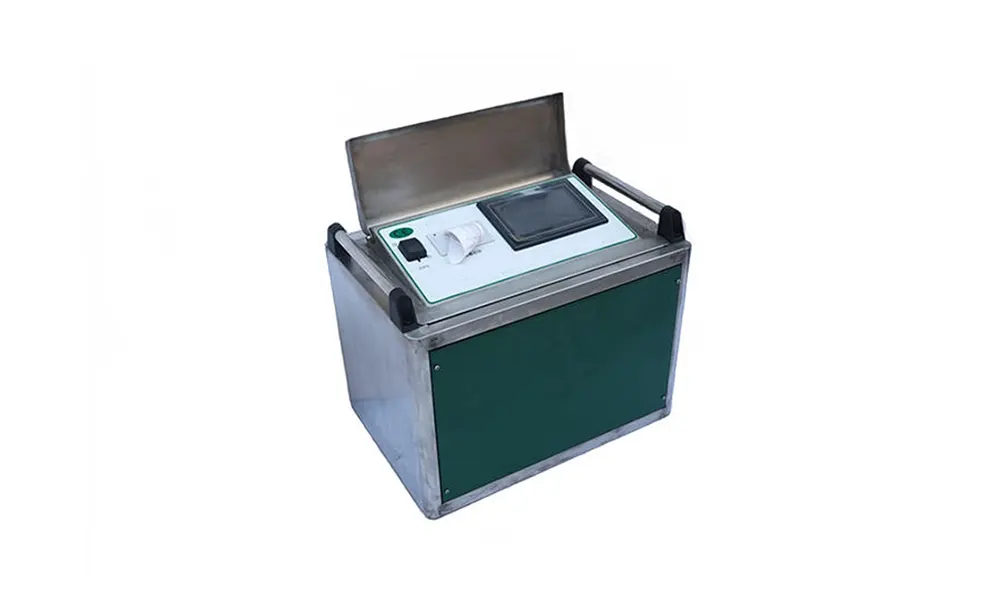
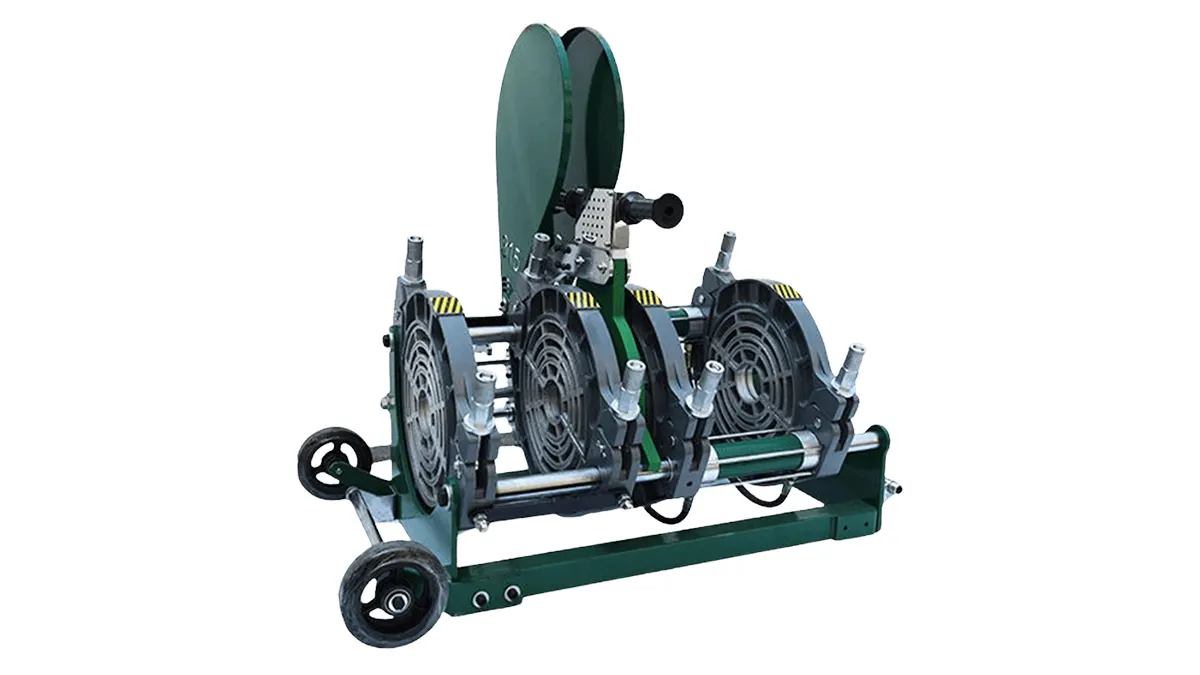
Georgia buyers commonly choose from three machine classes: manual butt fusion machines for low-volume jobs, hydraulic units for heavier duty and larger diameters, and CNC automatic systems for high-throughput pipeline fabrication and large infrastructure projects.
Sample Product Comparison
| Model | Type | Pipe Range (mm) | Best For |
|---|---|---|---|
| JQA160 | Automatic | 63 – 160 | Municipal water lines, medium-volume sites |
| JQH500 | Hydraulic | 90 – 500 | Large-diameter trunk mains, industrial plants |
| JQSY-4M | Manual | 20 – 160 | Rural repairs, irrigation systems |
Compliance, Training, and On-Site Support
Georgia utility regulators and many contractors require documented welding procedures and operator training. Machines with digital logging and simple interfaces help teams meet inspection and QA protocols. Local workshops and in-field training sessions reduce downtime and improve weld quality across project phases.
Environmental and Operational Considerations
Coastal humidity, inland temperature swings, and mountainous terrains in Georgia affect equipment choice and maintenance schedules. Choose machines with corrosion-resistant components, reliable heaters, and accessible spare parts to reduce service interruptions caused by local conditions.
How to Choose the Right Machine for Your Georgia Project
Assess the pipeline diameters, expected daily joint output, site accessibility, and regulatory requirements. For high-volume municipal projects, automated systems yield consistent, traceable welds. For contractors doing scattered repairs or agricultural installs, portable manual options offer cost-efficiency and flexibility.
Warranty, Spare Parts, and Custom Options
Confirm warranty terms and availability of spare parts in the U.S. supply chain. Many projects benefit from modular clamps or customized fixtures for specific fitting types. Consider extended support packages and remote diagnostic features for faster troubleshooting.
Partner Manufacturer
JQ-Fusion provides a broad lineup of manual, hydraulic, and CNC automatic butt fusion welding machines designed for global infrastructure projects, including models suited for Georgia’s diverse industrial and municipal needs. Visit the manufacturer’s site for model details, technical sheets, and ordering information.
Final Notes for Georgia Contractors
Choosing the right butt fusion equipment delivers measurable savings over the life of a pipeline through reduced leaks, fewer repairs, and streamlined installation. Prioritize machines with proven performance, accessible support, and documentation that meets local inspection standards to keep Georgia projects on schedule and within budget.



