
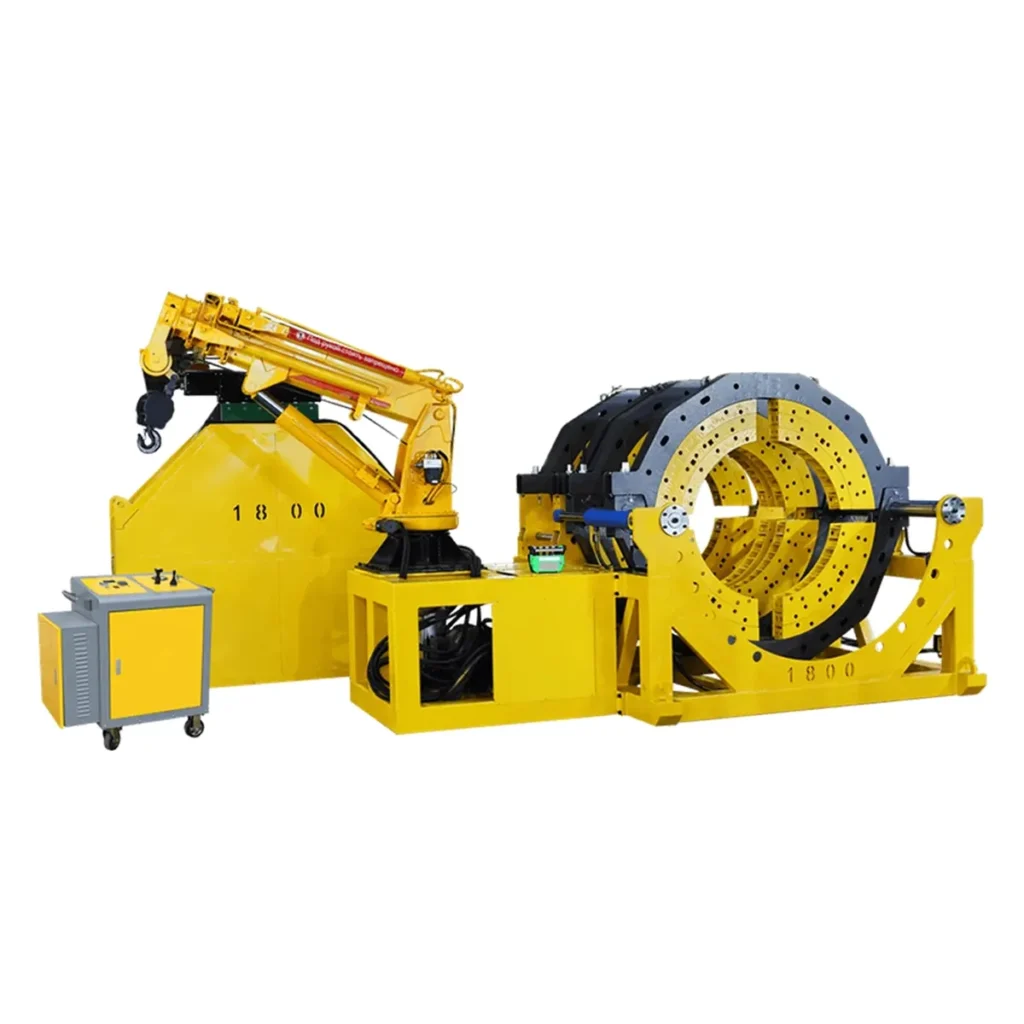
Butt fusion welding machines are the backbone of reliable HDPE pipeline installation across Hungary, from urban water networks in Budapest to rural agricultural irrigation and natural gas distribution in the Great Plain. These machines deliver leak-free joints, long-term durability in cold winters, and compliance with EU pipeline standards — essential for Hungarian contractors and engineering firms focused on sustainable infrastructure.
Key Advantages of Butt Fusion for Hungarian Projects
Leak-tight, corrosion-free joints: Butt fusion creates homogeneous welds ideal for potable water, wastewater, and gas systems, reducing long-term maintenance costs and aligning with EN and ISO regulations used in Hungary and the EU.
Performance in low temperatures: Modern welding units maintain stable heating and pressure control for consistent results even during cold snaps typical of Hungarian winters.
Versatility across diameters: From small-diameter service pipes to large trunk mains, available manual, hydraulic and CNC automatic machines meet municipal and industrial installation needs.
Machine Types & When to Use Them
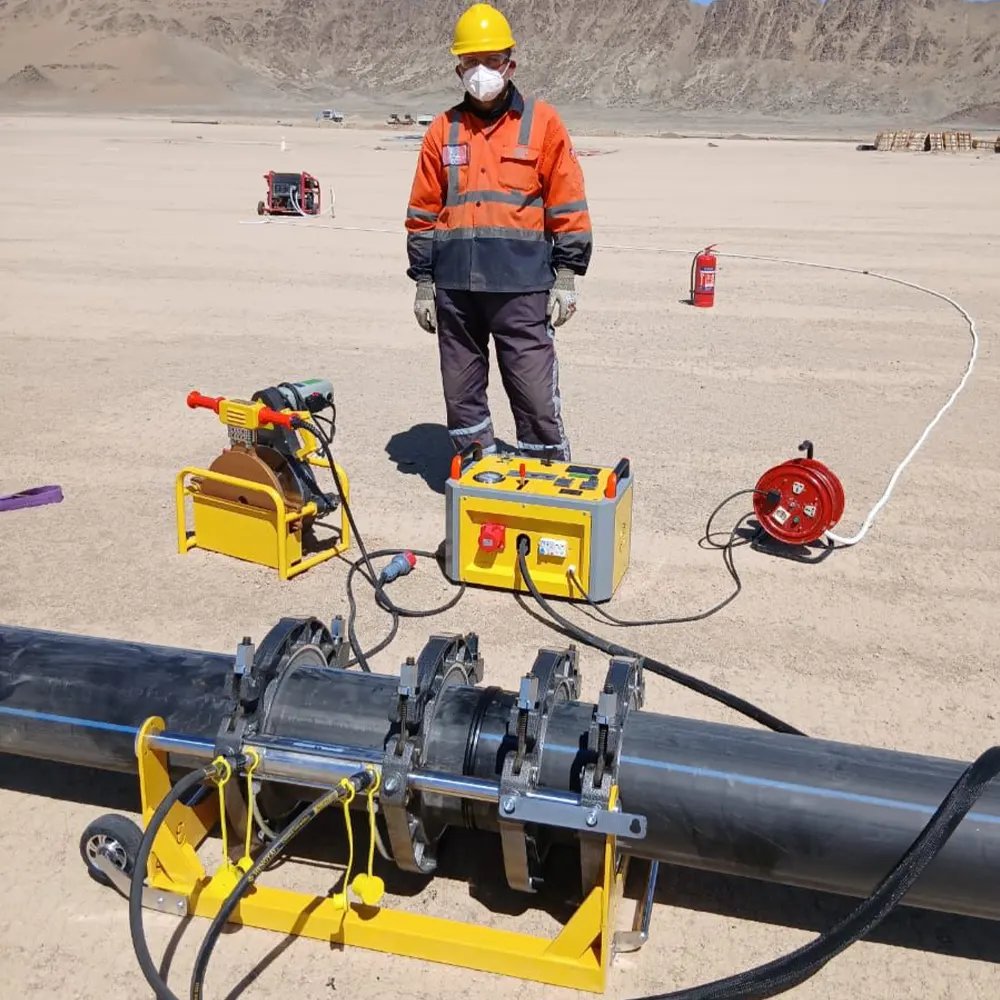
Manual butt fusion machines: Cost-effective and portable for site repairs, short runs and service connections common in small municipalities and farm irrigation systems across Hungary.
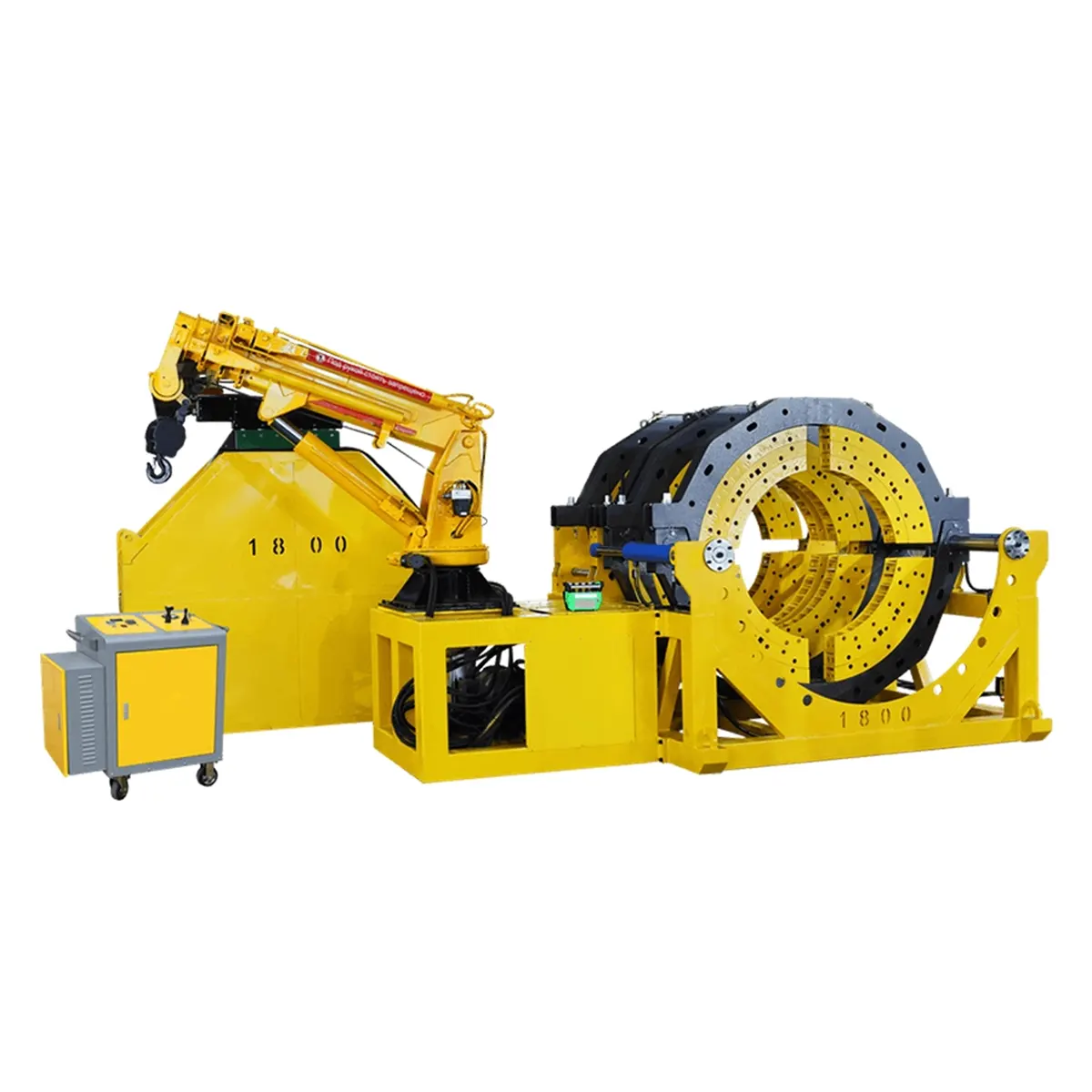
Hydraulic butt fusion machines: Offer robust clamping and precise force control for medium to large diameter pipes used in town water mains and industrial plants.
Automatic/CNC machines: Best for long production runs, high-precision trunk pipelines and contractor fleets that prioritize speed, repeatability and digital weld records for compliance.
Typical Applications in Hungary
Water supply and distribution networks, natural gas pipelines, district heating retrofits, agricultural irrigation systems, and industrial process piping all benefit from butt fusion technology. Municipalities and private contractors in Hungary increasingly specify HDPE and butt fusion methods for reduced leakage and lifecycle costs.
Quick Selection Guide
Project scale: Small repairs → manual units; city network upgrades → hydraulic units; large pipeline contractors → automatic CNC.
Pipe diameter and SDR: Match machine clamping capacity and heating plate size to PE100/PE80 pipe diameters and SDR requirements specified by designers.
Site conditions: Consider portability, power source, and frost protection features when working in remote or seasonally cold Hungarian regions.
Comparison Table (Representative Specs)
| Machine Type | Diameter Range | Best For | Mobility |
|---|---|---|---|
| Manual | 20mm – 315mm | Service lines, repairs | High |
| Hydraulic | 110mm – 2000mm+ | Municipal mains, industrial | Medium |
| Automatic / CNC | 160mm – 2000mm+ | High-volume pipeline programs | Low (dedicated sites) |
Installation & Quality Tips for Hungarian Sites
Follow standards and documentation: Keep weld logs and fusion reports for public works and regulatory audits. Many Hungarian municipalities require traceable quality records.
Operator training: Skilled operators reduce rework; arrange certified training sessions and on-site demonstrations before large contracts.
Spare parts and service: Ensure access to replacement heating plates, clamps and hydraulic components. Local distribution or prompt international shipping helps avoid downtime during peak construction seasons.
Maintenance & Longevity
Routine inspection of heating elements, scrapers, and hydraulic seals prolongs machine life. Store units in dry, frost-protected conditions during Hungarian winters and schedule regular calibration to maintain weld integrity.
For procurement and technical specifications, visit JQ-Fusion for a range of manual, hydraulic and automatic butt fusion solutions tailored to European project requirements.



