
Butt fusion welding machines are a cornerstone technology for joining HDPE pipes used across Egypt’s rapidly expanding water, gas, and industrial pipeline projects. From urban networks in Cairo and Alexandria to large irrigation systems across the Nile Delta and infrastructure works around the Suez Canal, reliable fusion equipment ensures leak-free, long-lasting joints that meet local regulatory and environmental demands.
Why Butt Fusion Is Ideal for Egyptian Projects
Durability and corrosion resistance: HDPE fused by butt welding resists chemical corrosion and soil conditions common in many regions of Egypt, especially in coastal and industrial zones.
Cost-effective installation: The method reduces excavation, maintenance frequency, and lifecycle costs — critical for municipal water utilities and large-scale agricultural irrigation systems.
High joint strength: Fusion creates homogenous, monolithic joints that match or exceed pipe strength, an important factor for high-pressure gas distribution and oil-related pipelines near Suez and Sinai.
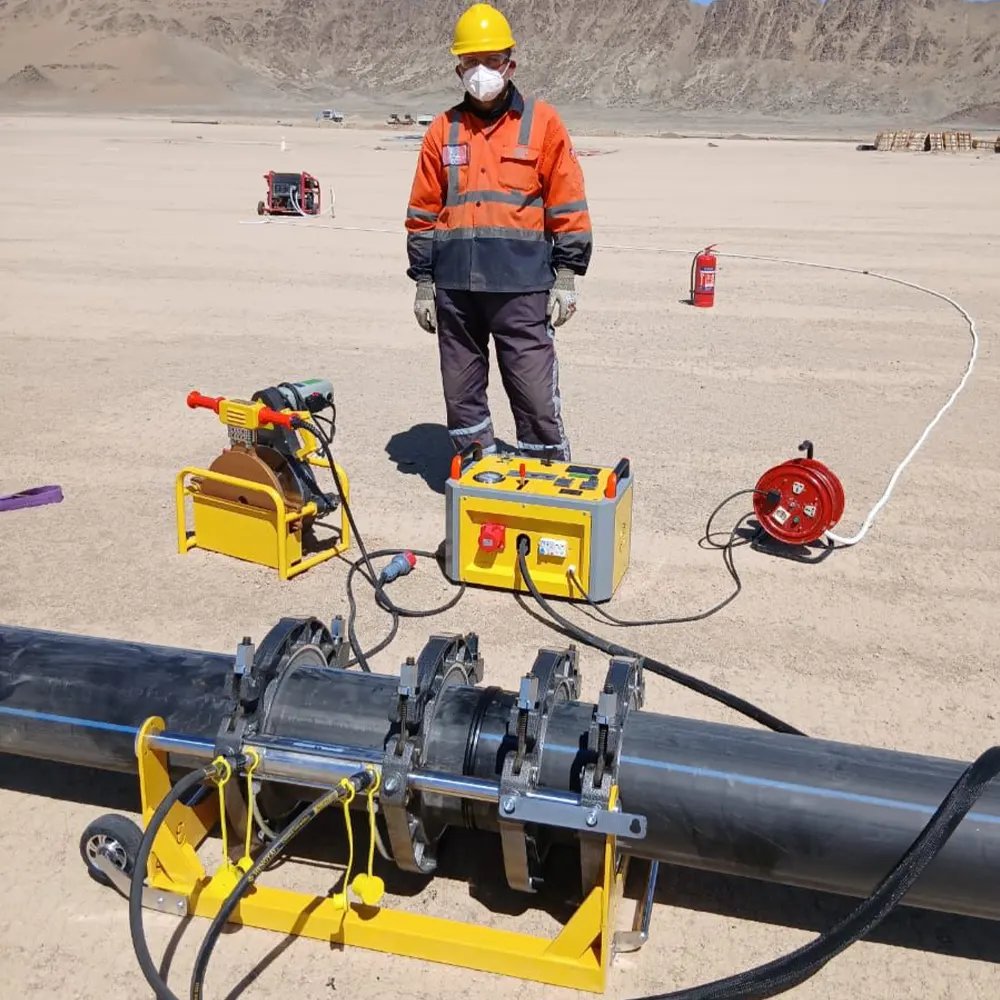
Common Machine Types and Where They Fit in Egypt
Manual machines — Best for small-diameter installations and rural irrigation projects where portability and low cost matter.
Hydraulic machines — Preferred for medium to large diameter pipes used in municipal water networks around the Greater Cairo and new urban communities.
Automatic / CNC machines — Provide precision for large-diameter trunk pipelines, industrial sites, and projects requiring tight quality control and data logging.
Quick Comparison Table — Typical Specifications
| Machine Type | Pipe Range | Key Advantage |
|---|---|---|
| Manual Butt Fusion | 20mm – 400mm | Portable, low-cost |
| Hydraulic Butt Fusion | 63mm – 1600mm | High clamping force, reliable for large projects |
| Automatic / CNC Fusion | 63mm – 2250mm+ | Precision control, data recording |
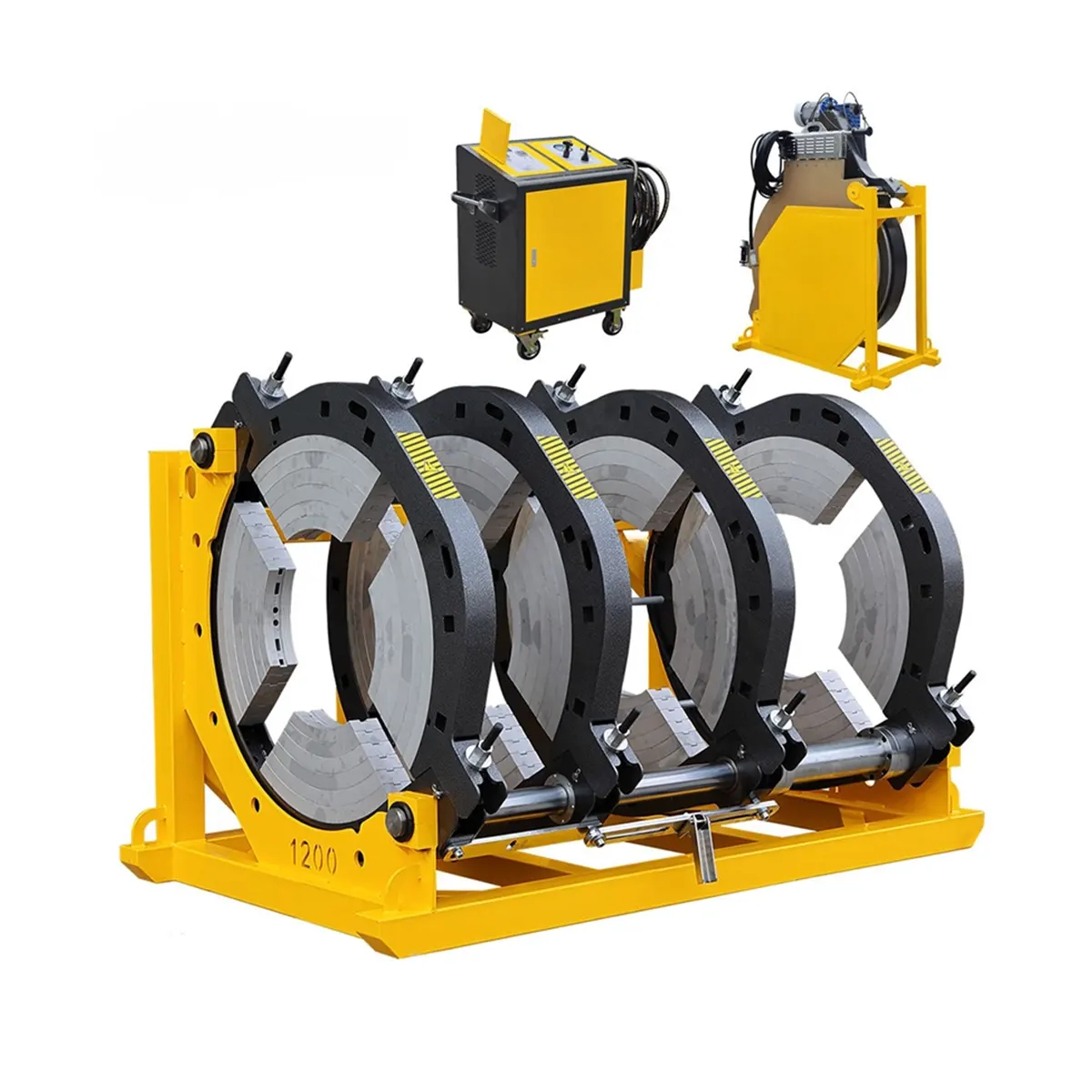
How to Choose a Reliable Supplier in Egypt
Local support and spare parts: Choose suppliers who can provide timely spare parts and technical assistance in Egypt to minimize downtime on critical pipelines.
Approved quality standards: Machines that comply with international standards (ISO, ASTM) help ensure compliance with Egyptian utility specifications and contractor requirements.
Training and documentation: On-site operator training and clear welding procedures are essential, particularly for municipal crews and contractors new to HDPE fusion.
Application Highlights for Egyptian Sectors
Municipal water distribution: Seamless HDPE networks reduce leakage in growing cities and new residential developments across Greater Cairo, 10th of Ramadan, and New Alamein.
Agricultural irrigation: Efficient fused HDPE systems support Egypt’s high-value agriculture in the Nile Delta and reclaimed desert lands.
Oil, gas, and industrial pipelines: Large-diameter fusion solutions are used in industrial zones and coastal installations near Suez and Port Said.
Installation Best Practices
Surface preparation: Ensure clean, square-cut pipe ends and calibrated facing tools for consistent heating and fusion.
Environmental considerations: Account for ambient temperature and sand/dust during field fusion; use protective covers and qualified heating plates.
Quality verification: Employ destructive and non-destructive tests where required, and keep weld logs for each joint on major projects.
For reliable butt fusion equipment and tailored solutions for projects across Egypt, consider partnering with an experienced HDPE welding machine manufacturer: JQ-Fusion, which offers manual, hydraulic, and CNC automatic machines covering a broad pipe size range and industry applications.



