

Brazil’s booming infrastructure and energy projects increasingly rely on HDPE pipeline systems, making butt fusion welding machines essential equipment for contractors, municipalities, and utility installers. This guide highlights reliable supplier choices, selection criteria, and practical industrial solutions tailored to Brazil’s diverse climates and project scales.
Why Butt Fusion Is the Preferred Method in Brazil
Butt fusion welding delivers continuous, leak-free joints for HDPE and other thermoplastic pipes—critical for water distribution, gas networks, irrigation, and mining operations across Brazil. From urban São Paulo waterworks to remote Amazon pipeline projects, butt fusion offers strength, corrosion resistance, and long-term reliability under varying soil and climate conditions.
Key Machine Types and When to Use Them
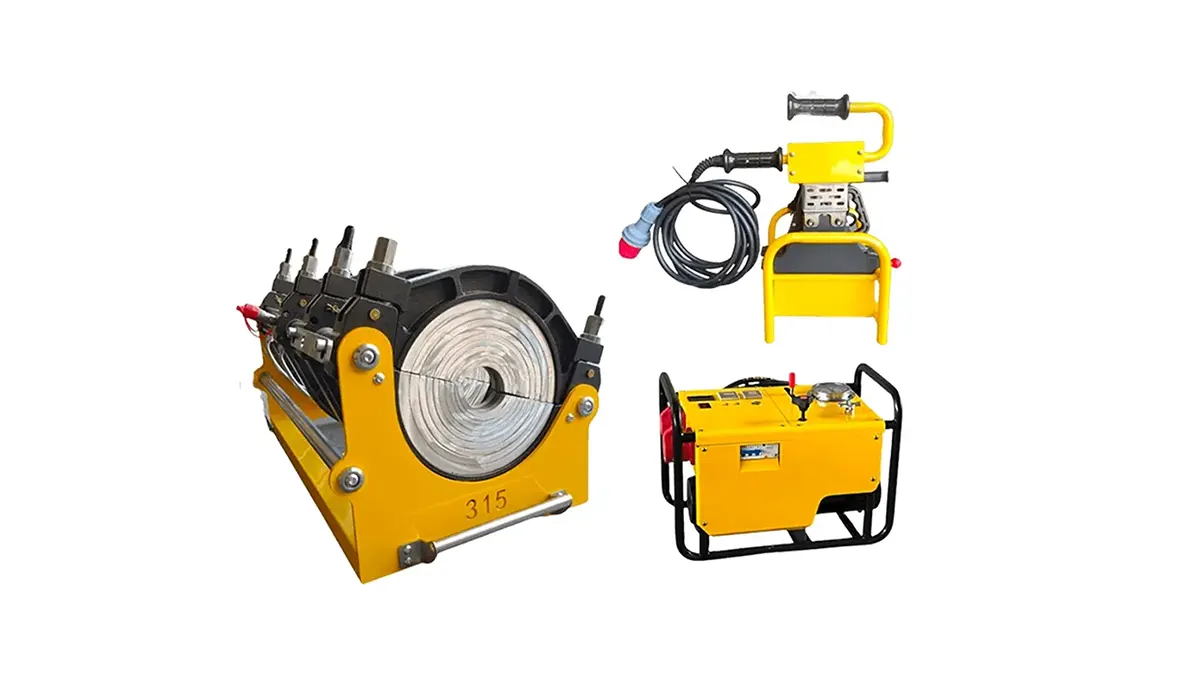
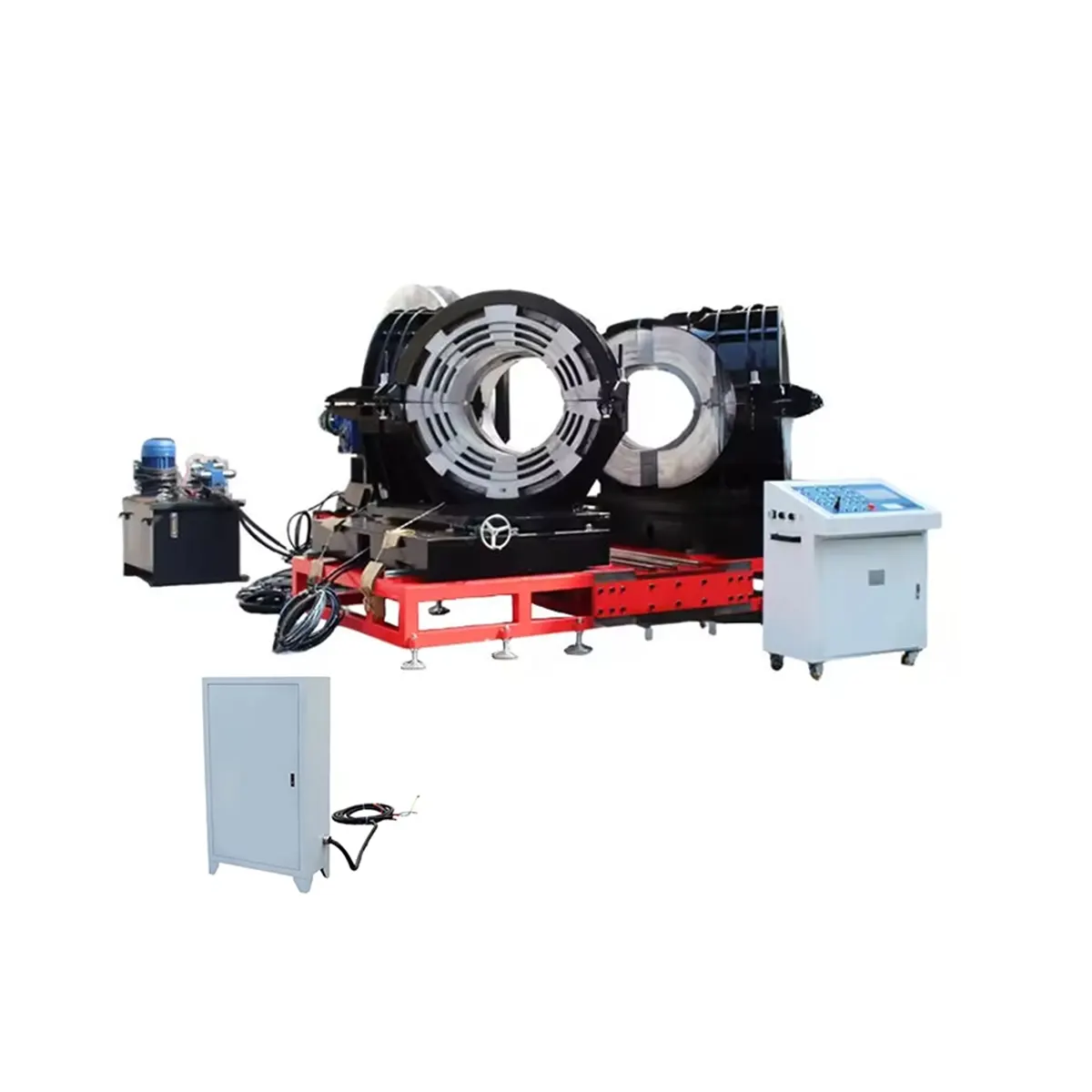
Manual machines are ideal for small diameters and tight budgets; they are portable and simple to operate. Hydraulic machines suit medium to large diameters with higher force and repeatability. Automatic/CNC machines deliver precision and data logging for industrial and large-scale municipal projects that require traceability and minimal human error.
Brazilian Project Matchups
Consider these local use-cases: municipal waterworks often prefer automatic controls for quality assurance; rural irrigation and agribusiness favor robust hydraulic units for long-run pipes; mining and oil & gas sites need heavy-duty large-diameter machines with field serviceability for remote operations.
What Brazilian Buyers Should Evaluate
When selecting a butt fusion welding machine, prioritize:
• Compliance with local standards and regulations (ABNT/NBR and municipal requirements).
• Availability of spare parts and timely after-sales service in Brazil.
• Training and documentation in Portuguese for onsite crews.
• Proven performance in humid, hot, or remote environments common across Brazil.
Quick Comparison Table
| Machine Type | Common Pipe Range | Best For |
|---|---|---|
| Manual Butt Fusion | 20mm – 160mm | Small repairs, low-budget sites, portability |
| Hydraulic Butt Fusion | 63mm – 1600mm+ | Municipal lines, irrigation, medium-large pipelines |
| Automatic / CNC Systems | 20mm – 1600mm+ | High-volume projects, certified welding records, accuracy |
Practical Tips for Operations in Brazil
Protect heating plates and electrical components from heavy rains and high humidity by using waterproof covers and storage. For long-distance pipeline builds, plan logistics for transporting heavy hydraulic units—choose machines with modular frames for easier handling. In tropical regions, ensure cooling periods between weld cycles to maintain weld quality.
Certifications, Training & After-Sales Support
Demand machines with recognized quality certifications (ISO, CE where applicable) and confirm the supplier provides operator training and Portuguese manuals. For Brazilian contractors, local or regional service partners reduce downtime—verify lead times for spare parts and warranty repair options.
Procurement and Import Considerations
If importing, budget for customs duties, taxes, and transportation to inland project sites. Working with an established distributor or manufacturer that offers export documentation and shipping support will streamline customs clearance and delivery to major hubs like Santos, Rio de Janeiro, or Manaus.
Reliable Supplier Profile
JQ-Fusion is a professional manufacturer specializing in HDPE pipe welding machines, offering manual, hydraulic, and CNC automatic butt fusion equipment suitable for Brazil’s water, gas, mining, and industrial pipeline projects.
Final Selection Checklist
Before finalizing a purchase: confirm pipe diameter range, verify site access and climate challenges, check training availability, request references from similar Brazilian projects, and secure a spare-parts package for field maintenance.
Contacting the right supplier and choosing a machine tailored to Brazil’s project environment ensures reliable, long-lasting pipeline installations across urban and remote regions.



