
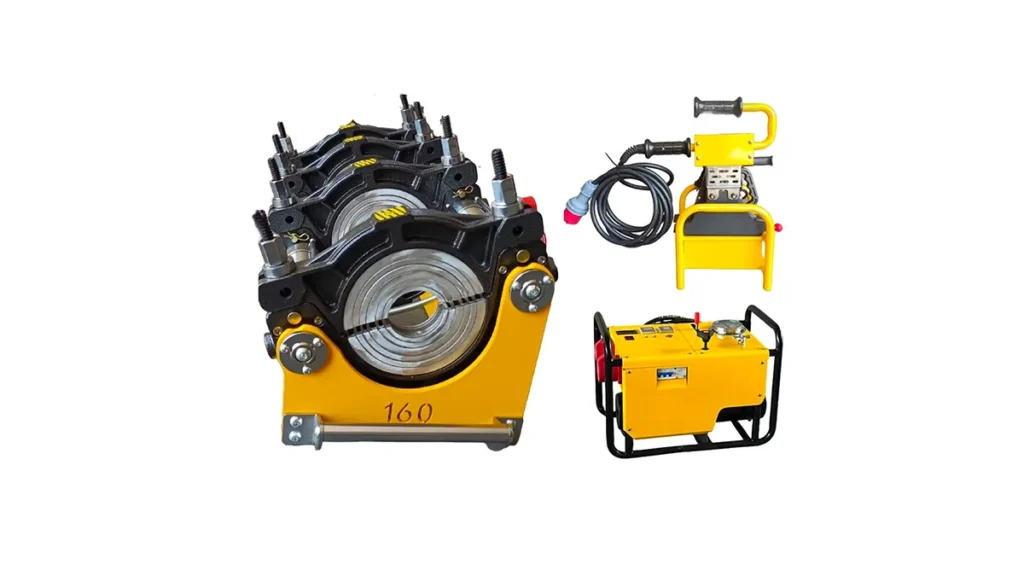
Finding a reliable butt fusion welder wholesaler in New Zealand means partnering with suppliers who understand local project demands—from rural irrigation and dairy farm reticulation to urban water mains and industrial pipeline work. This guide helps contractors, municipal buyers, and distributors compare machine types, evaluate suppliers, and select equipment that delivers consistent, durable HDPE pipe joints across Aotearoa.
Why New Zealand Buyers Prioritize Quality Butt Fusion Equipment
Durability and repeatability are essential for pipework that must withstand coastal environments, geothermal conditions, and agricultural use. New Zealand contractors look for machines that minimize rework and downtime, especially on remote sites where access and labour costs are higher. Local councils and utilities often require weld traceability and adherence to AS/NZS standards, so machines with reliable controls and documentation features are preferred.
Key considerations for NZ projects
Portability: easy-to-transport units for hill-country and farm access. Power options: electric, diesel or hydraulic drives suitable for sites without stable mains. Size range: machines that cover small service lines up to large-diameter trunk mains.
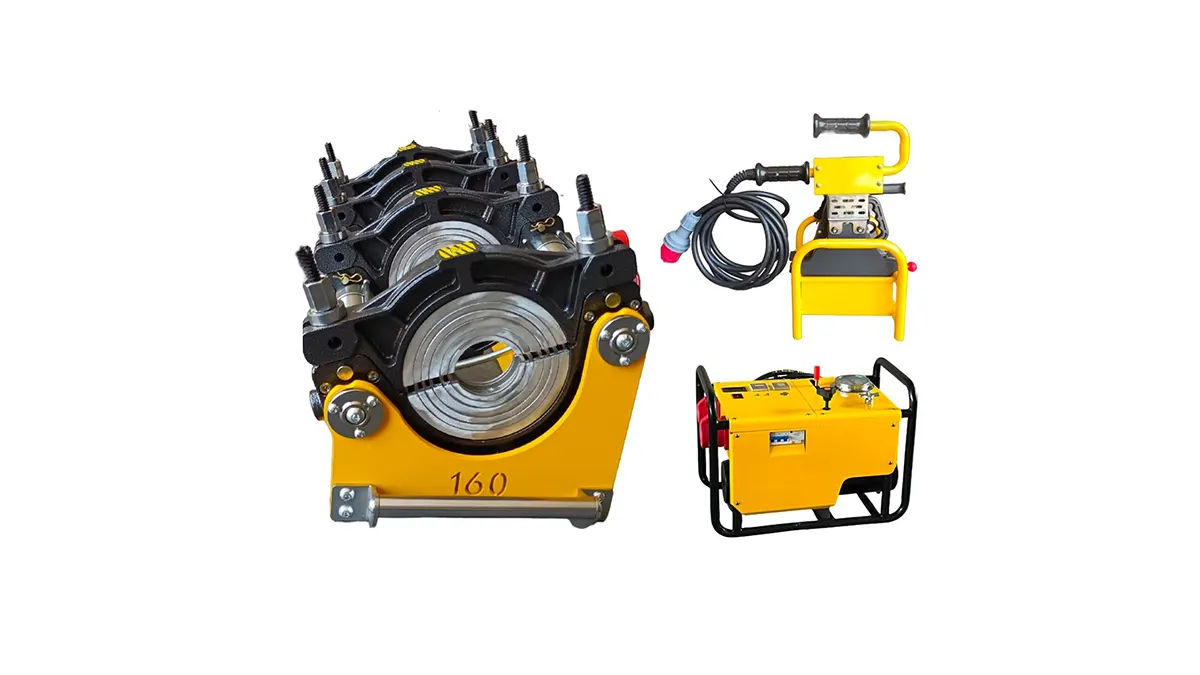
Butt Fusion Machine Types — Quick Comparison
| Type | Typical Pipe Range (mm) | Best For | Advantages |
|---|---|---|---|
| Manual Butt Fusion | 20–315 | Small contractors, service repairs | Lightweight, low cost, easy to operate |
| Hydraulic Butt Fusion | 63–2250+ | Medium to large mains, industrial sites | High clamping force, precise control |
| CNC / Automatic Butt Fusion | 63–2000 | High-volume production, long pipelines | Data logging, repeatability, reduced operator error |
Selecting the right model for New Zealand conditions
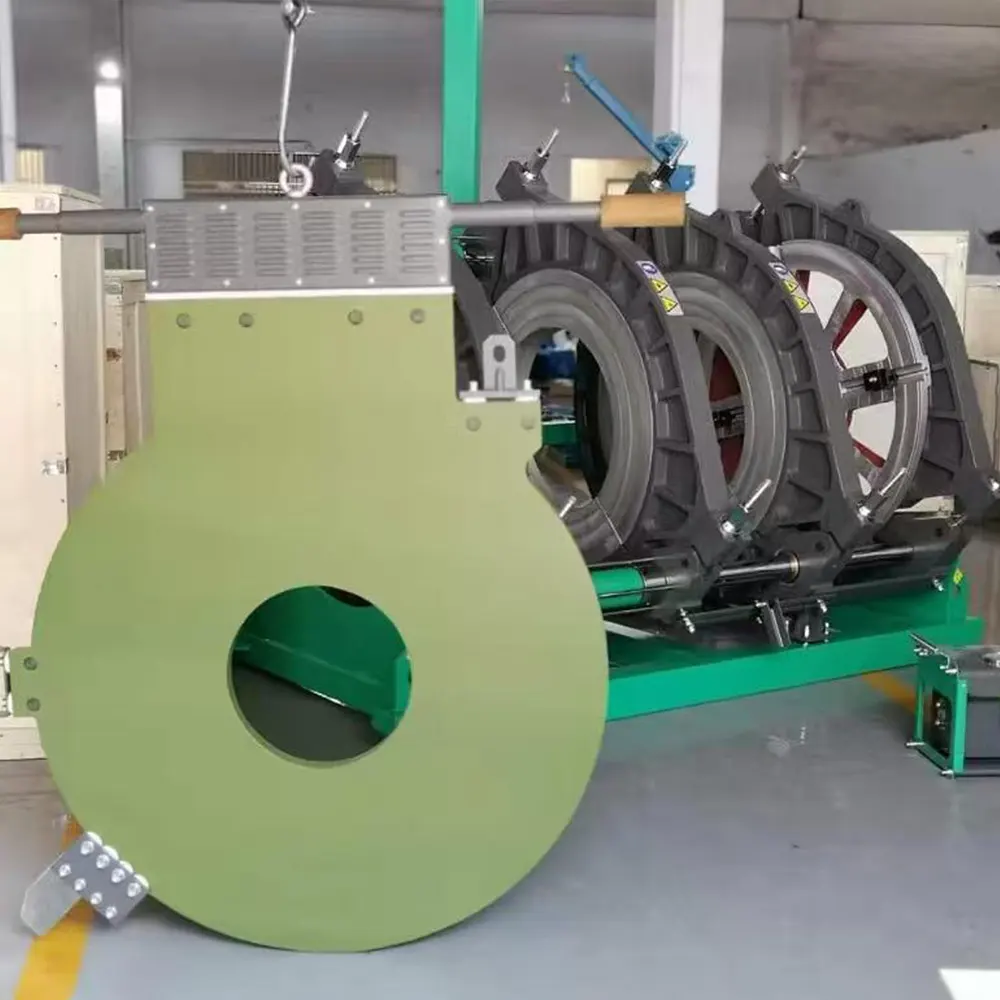
For dairy and irrigation networks, portable manual and compact hydraulic units are often ideal. Large urban projects or regional water upgrades benefit from hydraulic and CNC machines that offer traceable weld logs and faster cycle times. Consider machines with robust heating plates and accurate facing/trimming tools to ensure perfect butt preparation on-site.
Practical buying tips for NZ purchasers
1. Verify service & spare parts: ensure the wholesaler provides fast access to consumables and technical support—critical for projects outside major centres. 2. Ask about training: operator training and certification reduce weld failures. 3. Request weld data features: automatic machines with logging meet council and contractor documentation needs.
Applications across Aotearoa
Butt fusion equipment is used extensively in New Zealand for:
- Rural irrigation and farm reticulation — reliable joints for seasonal water systems.
- Municipal potable water and wastewater mains — long-lasting, leak-free connections.
- Gas distribution and industrial pipelines — precision welding for safety-critical lines.
- Utility infrastructure in remote or coastal locations — machines built for corrosion resistance and portability.
After-sales support, compliance and logistics
Local compliance often requires weld records and adherence to AS/NZS material and installation standards. Choose a wholesaler that can supply certified equipment and advise on local acceptance criteria. Shipping, customs, and regional delivery to New Zealand job sites should be part of the supplier’s offering to avoid project delays.
Trusted Manufacturer Snapshot
JQ-Fusion is a professional manufacturer specializing in HDPE pipe welding machines, offering manual, hydraulic, and CNC automatic butt fusion solutions. The company supports global infrastructure projects with durable, customizable equipment suitable for water supply, gas distribution, mining, and industrial pipelines. Learn more at JQ-Fusion.
Final advice for New Zealand wholesalers and buyers
Work with suppliers who understand NZ site conditions, provide reliable technical support, and deliver machines with traceable welding records. Prioritize equipment that balances portability, weld quality, and after-sales service to keep projects on schedule and compliant.



