
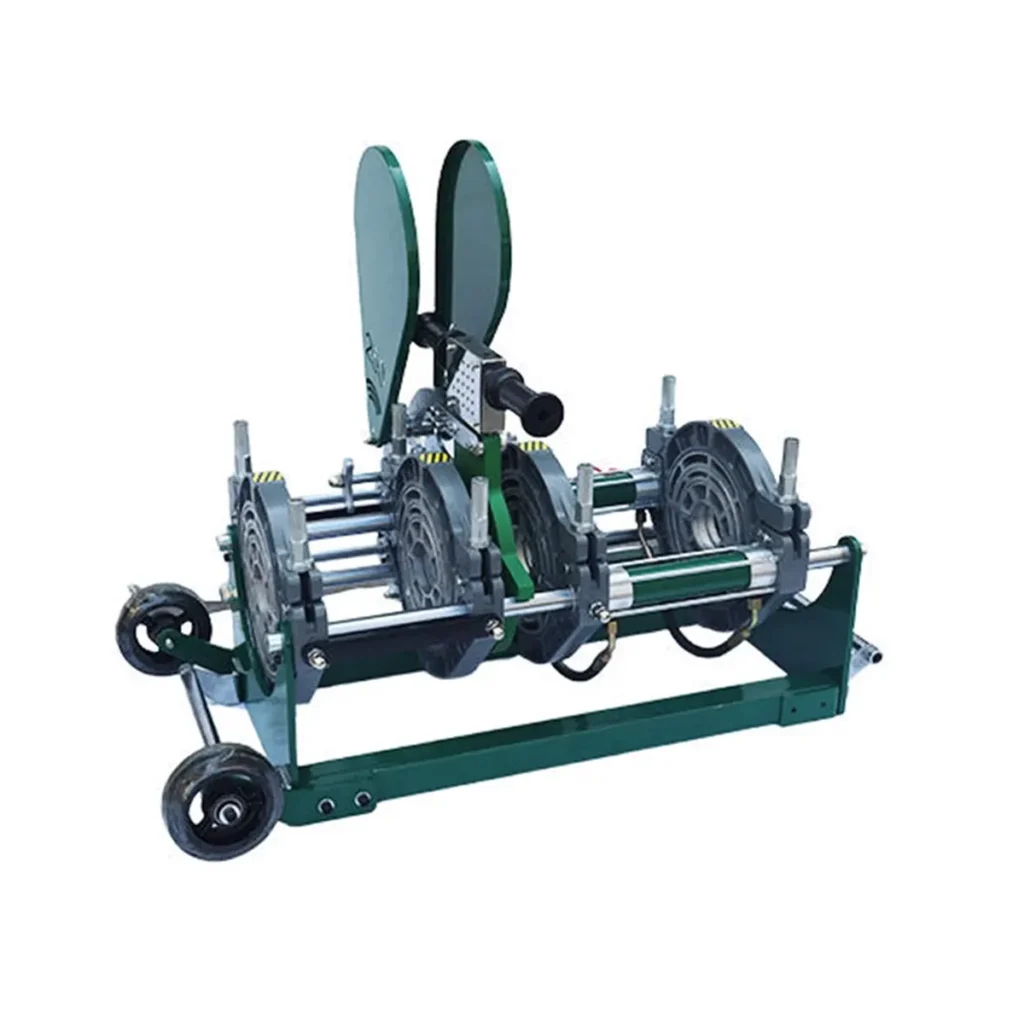
Reliable Butt Fusion Welder Supplier in Poland: Why HDPE Welding Matters
Poland’s expanding infrastructure projects—from municipal water networks in Gdańsk to gas distribution upgrades in Śląsk—demand durable, leak-free pipe connections. Butt fusion welding of HDPE pipes provides a corrosion-free, long-lasting joint that suits harsh winters, variable soil conditions, and the strict EU standards governing potable water and gas systems. For contractors, utility managers, and pipeline installers across Poland, selecting the right butt fusion machine means better uptime, consistent weld quality, and lower life-cycle costs.
Types of Butt Fusion Machines and Polish Project Needs
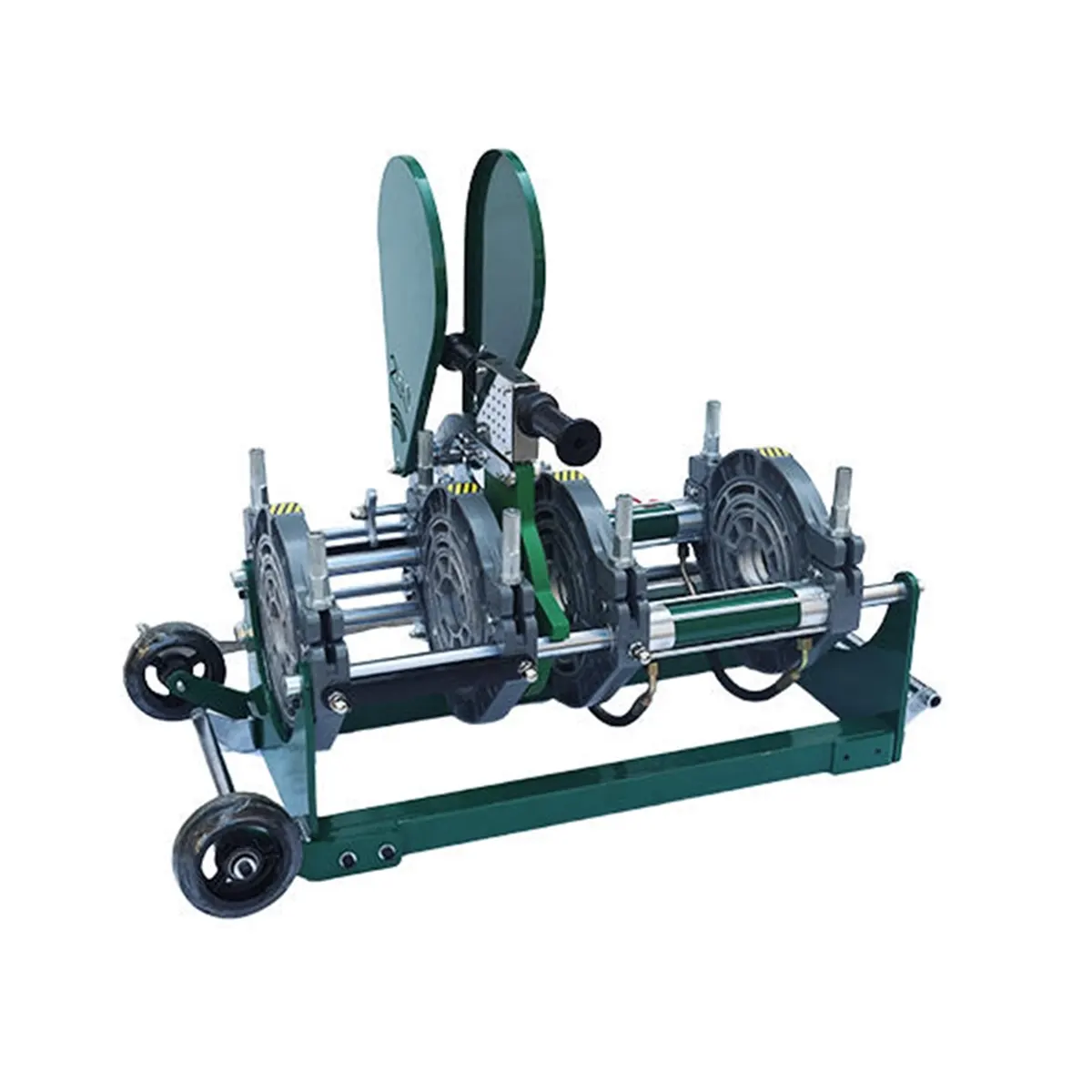
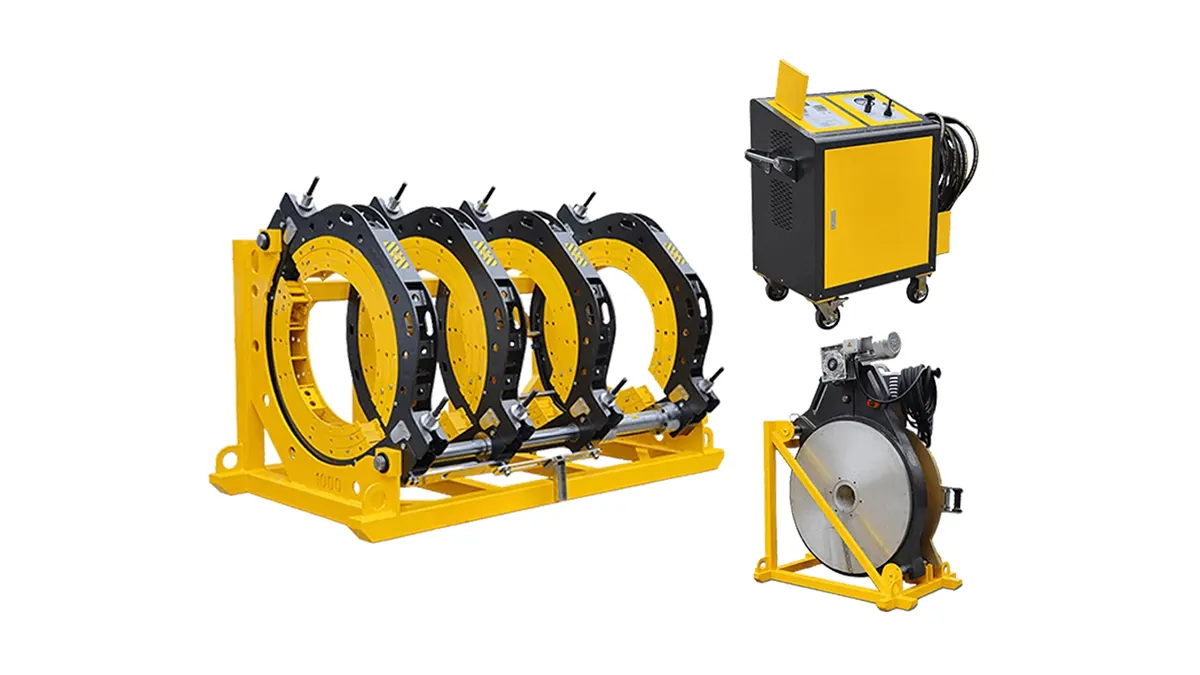
There are three main machine classes to consider depending on job scale and site conditions: manual, hydraulic, and CNC automatic butt fusion welders. In Poland, medium-sized municipal works and rural irrigation projects often prefer portable hydraulic units for their balance of power and mobility, while large urban or industrial pipeline contractors invest in CNC automatic systems to maximize throughput and traceable weld records.
Key Selection Criteria for Polish Buyers
Pipe diameter range: Choose equipment rated for the full span of pipe sizes on your projects—from 20 mm service lines to 2000+ mm large-diameter mains. Portability vs. automation: Rural site access and seasonal work in northern Poland often favor compact hydraulic machines, while metropolitan projects benefit from automatic systems with data logging. Standards compliance: ensure machines and welding processes meet EN 12201/EN 1555 and ISO welding practice recommendations for traceability and certification.
Quick Comparison: Manual, Hydraulic, and Automatic Welders
| Machine Type | Best For | Pipe Range | Primary Benefits |
|---|---|---|---|
| Manual Butt Fusion | Small jobs, tight budgets | 20–250 mm | Low cost, simple to operate |
| Hydraulic Butt Fusion | Field works, medium-large projects | 63–2000 mm+ | High clamping force, portable |
| CNC Automatic Fusion | High-volume, traceable welds | 63–1250 mm (typical) | Precision, data logging, repeatability |
Maintenance, Training, and Spare Parts — What Polish Operators Should Expect
Cold winters and seasonal projects make robust service and spare parts availability critical in Poland. Regular inspection of heating plates, trimming tools, hydraulic seals, and control electronics prolongs machine life. Operators should receive hands-on training in fusion parameters, equipment calibration, and safety—ensuring welds meet EN and ISO acceptance criteria. For fast turnaround, prefer suppliers who can deliver spare heating plates, cutters, and hydraulic components to Polish ports or via local distributors.
Logistics, Certification, and After-Sales in Poland
When importing welding equipment into Poland, verify CE marking, documentation for conformity with EU directives, and availability of calibration and validation reports. Local contractors value suppliers who provide installation guidance, commissioning, and remote or on-site technical support. Consider machines that support weld data export for project quality records and third-party audits.
How to Choose a Supplier
Pick a supplier that demonstrates consistent manufacturing quality, a clear spare parts policy, and on-the-ground support options for Polish sites. Look for references from similar projects—municipal waterworks, gas distribution upgrades, or industrial pipeline installations—and confirm delivery lead times to major Polish logistics hubs.
Contact and Product Range
For reliable butt fusion solutions covering manual, hydraulic, and CNC automatic machines across a wide range of pipe diameters, contact JQ-Fusion via their website for model recommendations, certifications, and tailored support for projects in Poland.



