
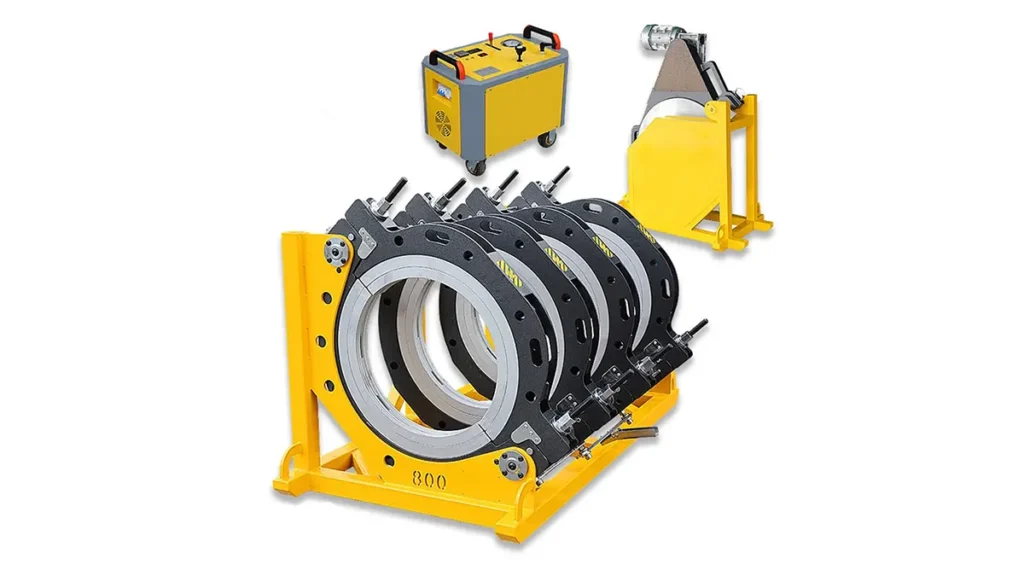
Discover high-quality butt fusion welders made in China for reliable HDPE pipe joining. This guide helps contractors, municipal engineers, and pipeline installers—especially those working on China’s rapid infrastructure expansion and export projects—choose the right butt fusion welding machines for water, gas, mining, and industrial pipelines.
Why Choose a Chinese Butt Fusion Welder?
China’s manufacturing ecosystem offers competitive pricing, fast lead times, and a wide range of butt fusion solutions from manual to fully automatic CNC units. Buyers benefit from robust supply chains, available spare parts, and machines designed for both domestic standards (GB/T) and international certifications like CE and ISO. For contractors in China and international projects tied to the Belt and Road Initiative, these advantages can translate into faster mobilization and lower total project cost.
Key Welding Machine Types
Manual units: portable, low-cost, ideal for small-diameter repairs and rural projects.
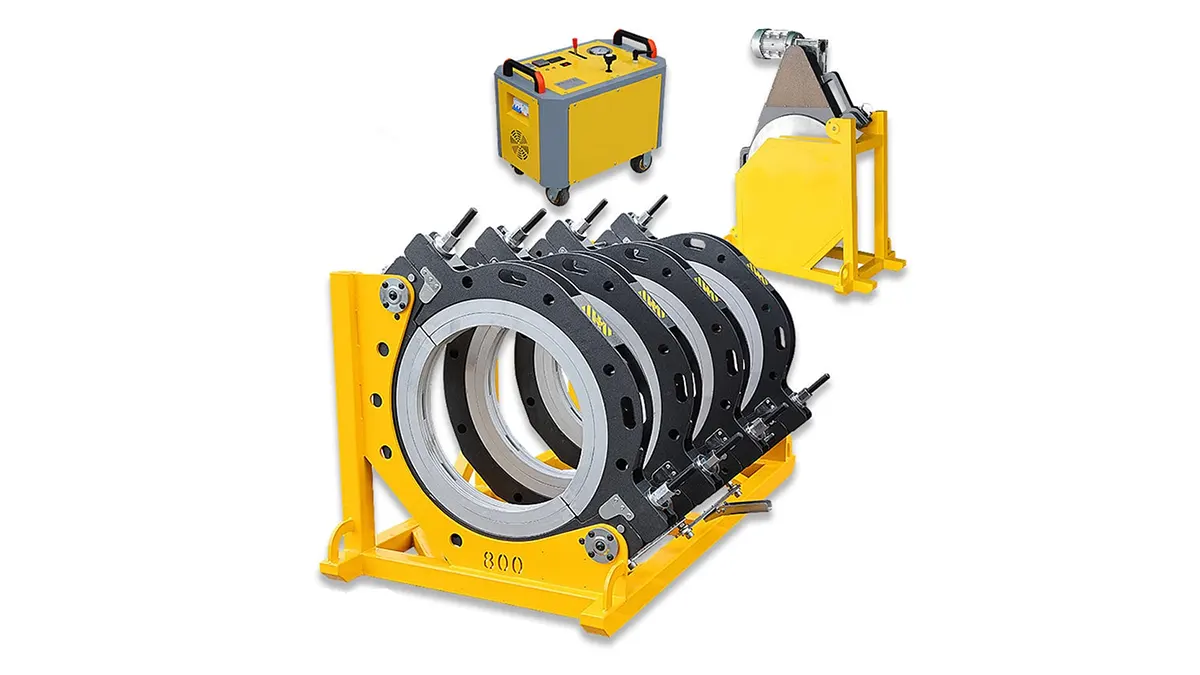
Hydraulic units: medium to large diameters with stable pressure control for consistent fusion quality.
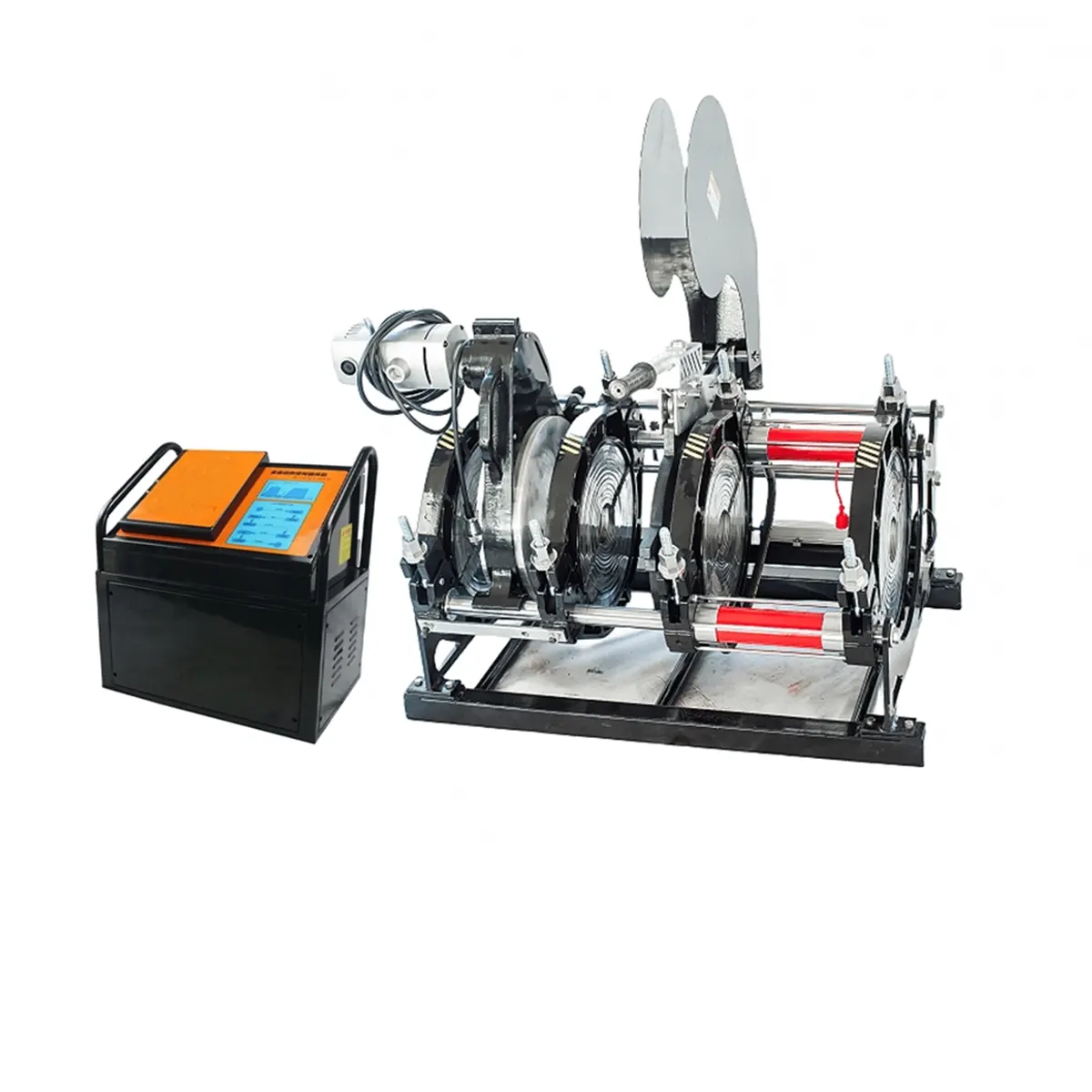
Automatic / CNC units: precision welding, repeatable cycles, best for production sites and large-scale pipeline networks.
Applications and Benefits
Butt fusion welding is the preferred method for HDPE pipe systems because it creates joints that are as strong and flexible as the pipe itself. Common applications include:
-
Municipal water supply and drainage
-
Natural gas and distribution networks
-
Mining slurry and tailings pipelines
-
Industrial chemical and process piping
Benefits include excellent leak resistance, long-term durability, and lower maintenance costs. For China-based installers, local machine support and training reduce downtime and ensure compliance with national technical specifications.
Typical Technical Features to Compare
When evaluating models, prioritize:
-
Clamping range and pipe diameter capability
-
Heating plate quality and temperature control
-
Pressure/force control (manual vs. hydraulic)
-
Automation level and data logging for quality assurance
-
Mobility, modularity, and spare parts availability
Sample Product Comparison
| Model | Type | Pipe Range | Best For |
|---|---|---|---|
| JQSY-2M | Manual | 20mm – 160mm | On-site repairs & small projects |
| JQH800 | Hydraulic | 63mm – 800mm | Municipal & industrial pipelines |
| JQA450mm | Automatic / CNC | 160mm – 450mm | Production lines & high-precision projects |
Ordering & After-sales Considerations
Ensure clear specifications when requesting quotes—include pipe material, SDR (standard dimension ratio), operating pressure, and expected annual welding volume. For buyers in China and exporting regions, check packaging for long-distance shipping, lead time, warranty, and availability of training or technician support.
Quality, Certification & Support
Choose manufacturers that provide documented quality control, inspection reports, and compliance with national/international standards. Machines with digital controls and data logging simplify traceability and acceptance testing for major projects.
Where to Buy
For a reliable source of butt fusion welding machines in China, consider contacting JQ-Fusion for model options, customization, and project support.
Quick Tips for First-Time Buyers
1. Define your maximum pipe diameter and SDR before selecting a machine.
2. Decide between portability and automation—site constraints often dictate the right balance.
3. Ask about spare parts kits and recommended consumables (heating plates, trimming tools).



