
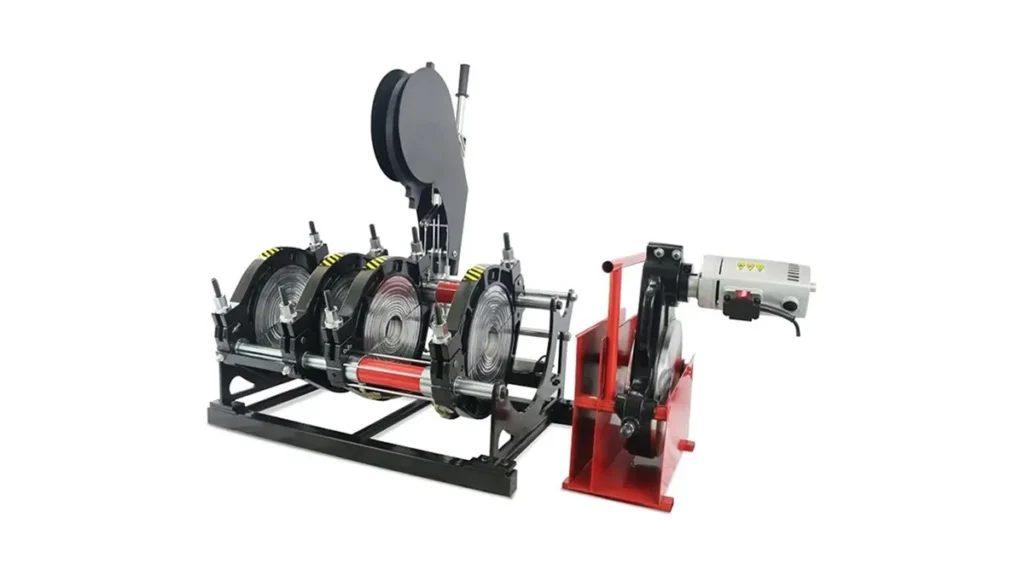
Botswana’s expanding water distribution, mining camps, and rural irrigation networks demand robust, leak-free pipe systems — and butt fusion welding for HDPE pipes is the preferred solution. This guide explains why butt fusion welders are essential for Botswana projects, how to choose the right machine, and what local contractors and engineers should look for when planning durable pipeline installations.
Why Butt Fusion Welding Works for Botswana
Butt fusion welding creates homogeneous, permanent joints in HDPE pipes that resist corrosion, chemical attack, and the pressure fluctuations common in borehole-fed and municipal systems. In Botswana’s semi-arid climate, with seasonal rains and temperature swings, HDPE pipelines joined by butt fusion reduce maintenance costs and minimize leakage risks for communities in Gaborone, Francistown, and remote villages.
Key Advantages for Local Projects
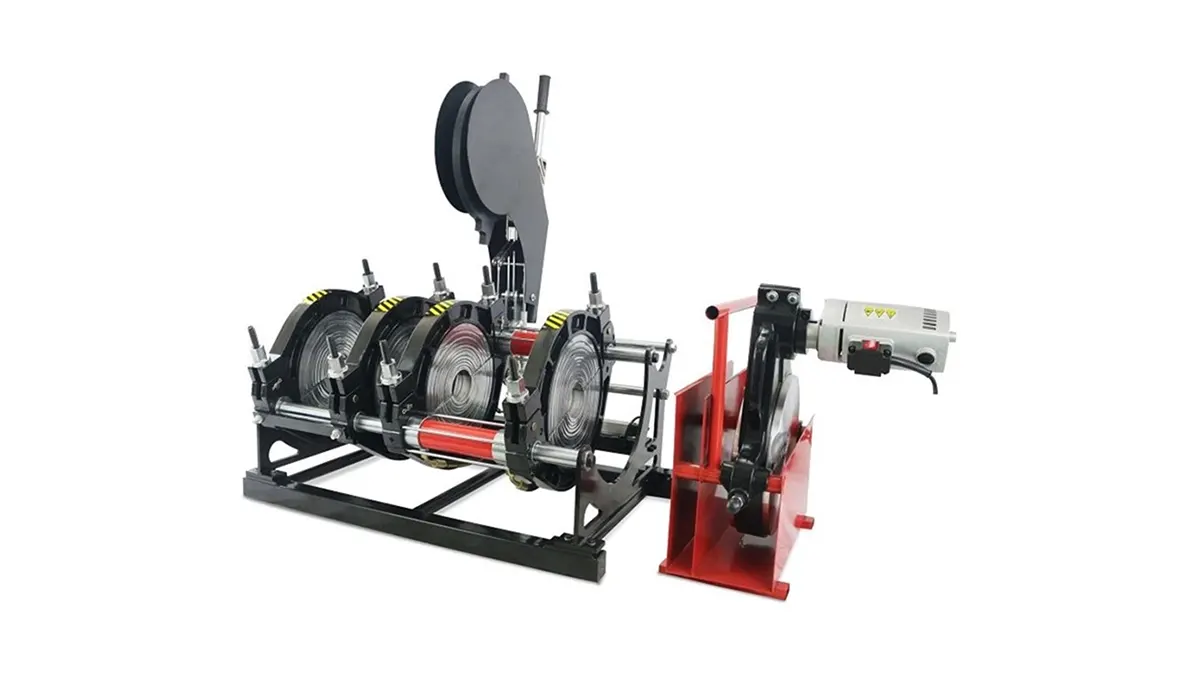
Durability: Joints formed by butt fusion are as strong as the parent material, important for long-term potable water and slurry lines used in mining operations. Leak tightness: Seamless fusion reduces contamination risk. Field adaptability: Portable manual and hydraulic units allow work in remote sites with limited access.
Types of Butt Fusion Welding Machines
Contractors in Botswana select machines based on pipe diameter, site conditions, and production speed. Typical categories include manual (portable), hydraulic (medium/large diameter), and CNC/automatic systems for high-precision, repetitive welds on large projects such as municipal trunk mains or industrial effluent lines.
| Machine Type | Pipe Range | Typical Botswana Use |
|---|---|---|
| Manual Portable Units | 20mm – 315mm | Rural borehole distribution, service connections |
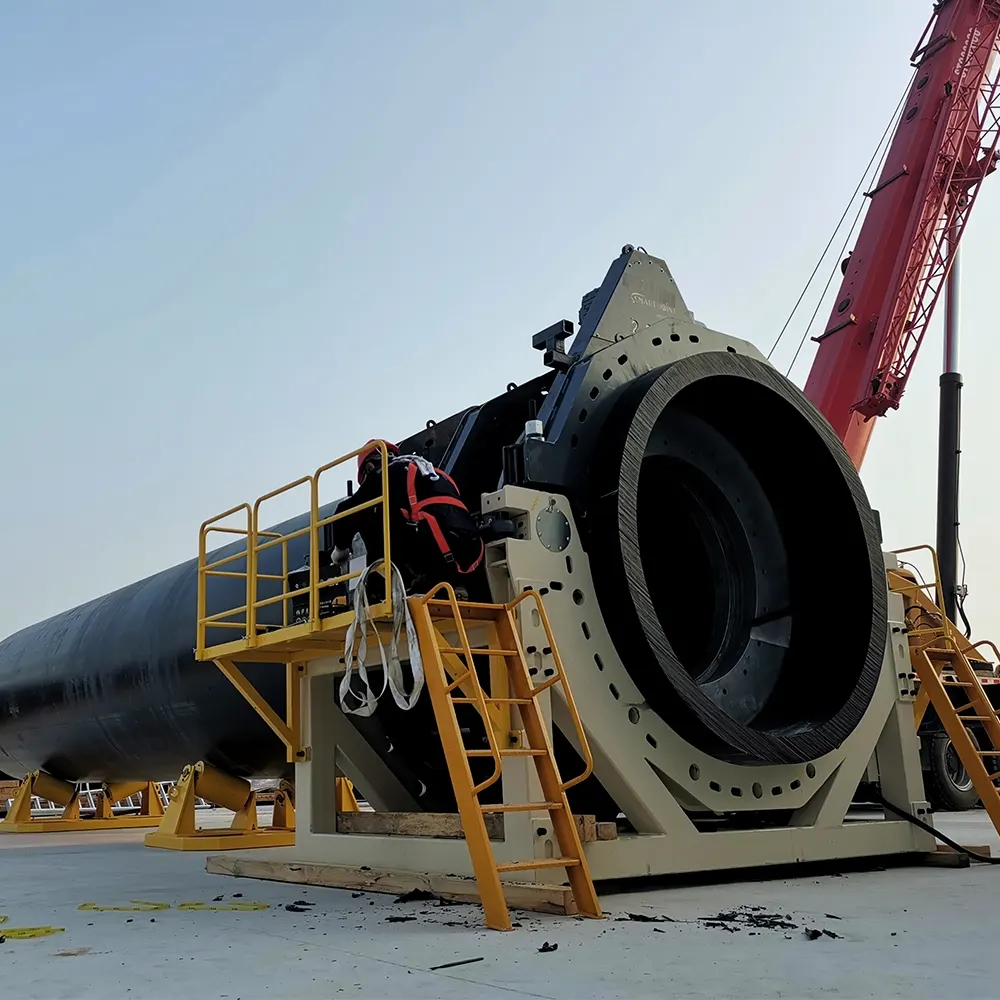
| Hydraulic Machines | 160mm – 2000mm | Municipal trunk mains, mining water lines |
| CNC / Automatic Systems | 63mm – 1200mm+ | High-volume pipeline fabrication, large-diameter projects |
Selecting the Right Machine for Botswana Conditions
When evaluating equipment for Botswana projects, prioritize machines that deliver consistent heating plate control, accurate alignment, and robust clamping for sandy or uneven sites. Portability is crucial for remote communities, while hydraulic or automatic units are better suited for long-distance trunklines and mining operations that require high throughput.
Installation and Field Tips
Prepare pipe ends by proper facing and cleaning, follow controlled heating and cooling cycles, and account for thermal expansion in long runs exposed to direct sun. For remote site work, verify fuel and power availability for heaters, and ensure welders are trained in butt fusion procedures to achieve repeatable, certified joints.
After-Sales Support & Training
Reliable local outcomes require supplier-supported training, spare parts availability, and technical guidance for weld qualification. Look for vendors that provide operator training for ISO/EN fusion procedures, on-site troubleshooting, and clear maintenance schedules to keep downtime low on critical water or mining pipelines.
Common Applications in Botswana
Typical installations where butt fusion welders add value include rural water supply networks, irrigation for agricultural projects, process water and tailings conveyance in mining, and gas distribution for industrial hubs. HDPE systems joined by butt fusion reduce lifecycle costs and speed up field assembly.
For dependable butt fusion welding equipment and end-to-end support tailored to Botswana projects, consider contacting JQ-Fusion for product options, training programs, and logistics assistance to get machines to site efficiently.



