
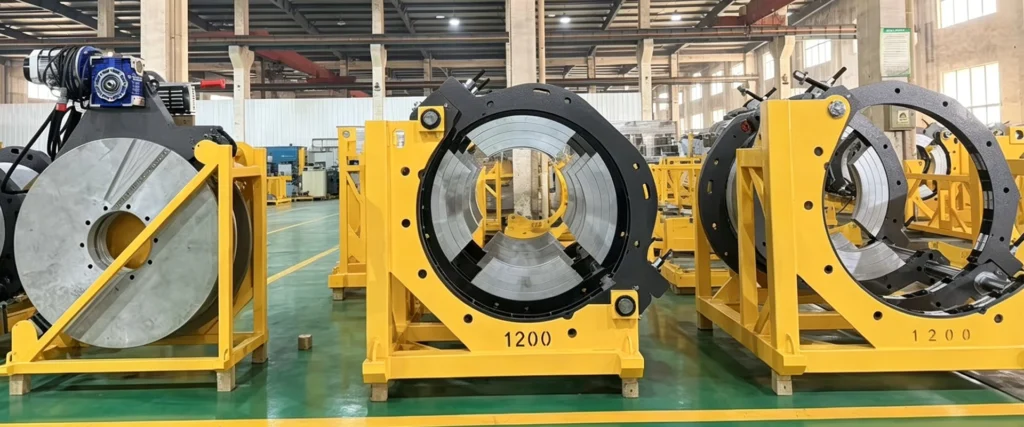
Butt fusion welding is the preferred method for joining HDPE and other thermoplastic pipes across infrastructure projects in Palestine — from municipal water networks and irrigation systems to wastewater and stormwater drainage. Reliable butt fusion welds deliver leak-free, long-lasting joints that meet the region’s growing need for resilient pipeline solutions in challenging environments.
Why Butt Fusion Is Ideal for HDPE and Plastic Projects in Palestine
Durability and leak resistance: Butt fusion creates monolithic joints without additional materials, making pipes resistant to leaks and contamination — a critical advantage for communities where water resources are limited and must be protected.
Corrosion and chemical resistance: HDPE resists corrosion and many chemicals, ideal for saline coastal areas and agricultural runoff common in Palestinian regions.
Field-ready machines and portable units allow contractors and NGOs working in remote West Bank villages or Gaza reconstruction projects to perform on-site welding with consistent quality.
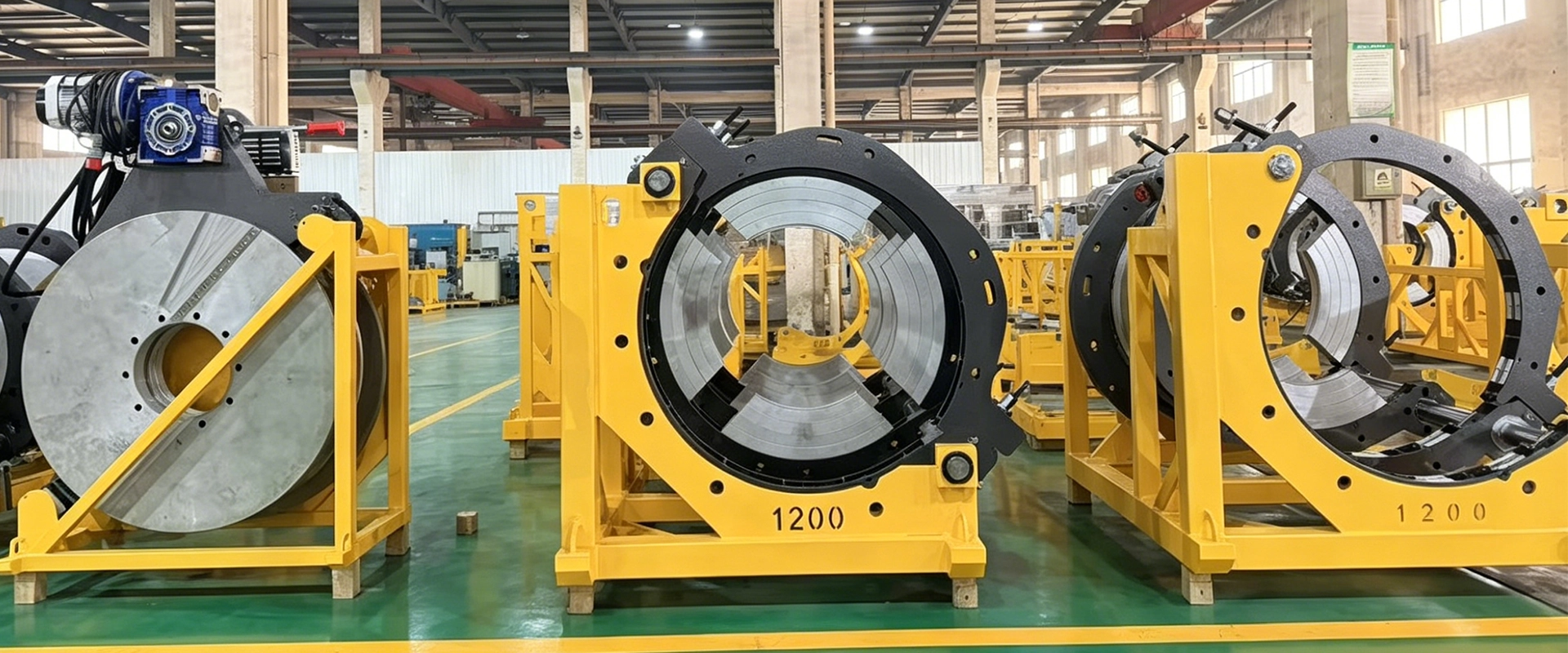
Common Local Applications
- Rural and urban potable water distribution networks
- Irrigation systems for olive groves, greenhouses, and small farms
- Sewage and wastewater conveyance for municipal upgrades
- Stormwater management and drainage improvements
- Industrial and mining pipelines where chemical resistance is required
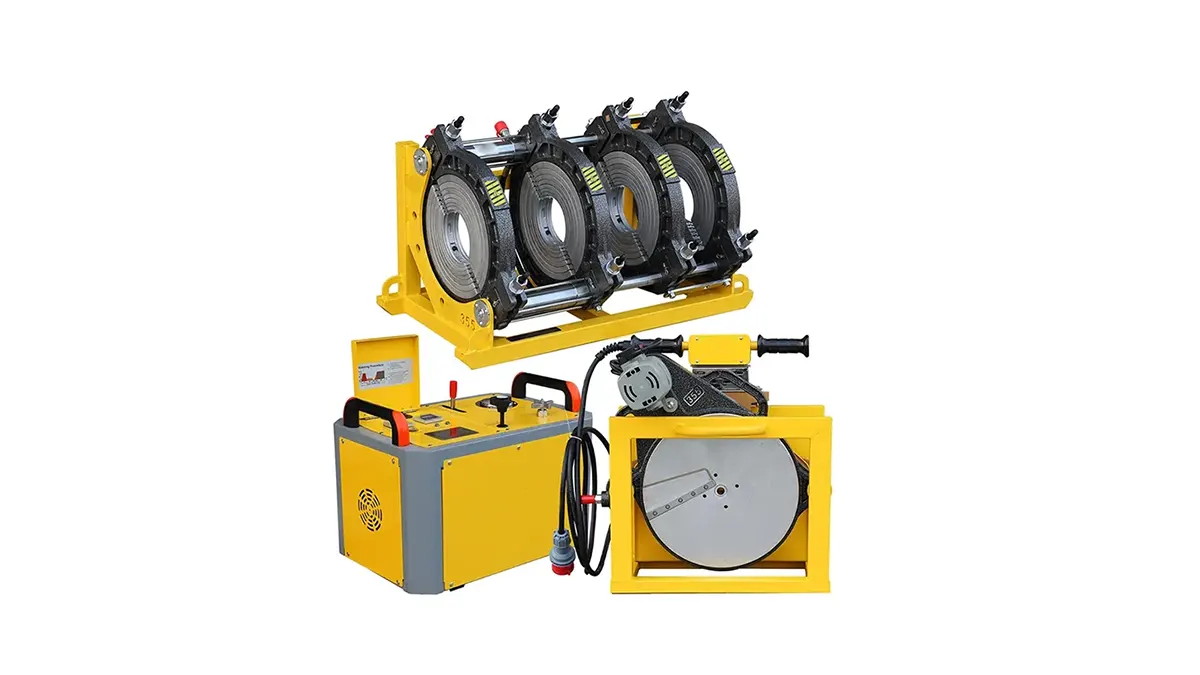
Types of Butt Fusion Welders — Which One Fits Your Project?
Choosing between manual, hydraulic, and automatic (CNC) butt fusion machines depends on pipe diameter, project scale, and site constraints common in Palestine.
| Machine Type | Typical Pipe Range | Best For | Portability |
|---|---|---|---|
| Manual Butt Fusion | Small to medium (up to ~630mm) | Local repairs, scattered job sites | High |
| Hydraulic Butt Fusion | Medium to large (200–2000mm+) | Municipal and industrial pipelines | Moderate |
| Automatic / CNC Butt Fusion | Wide range; precise control | High-volume projects, quality-critical installs | Lower (heavier equipment) |
Selecting the Right Machine for Palestinian Conditions
Consider the following when specifying a butt fusion welder for projects in Palestine:
- Pipe material and diameter ranges used by local utilities and contractors.
- Power availability on-site — some areas may need generators for automatic machines.
- Transport and access constraints — compact manual units can reach narrow village roads.
- Operator training — invest in certified training so welds comply with international standards (ISO/ASTM) and local procurement requirements.
Quality, Certification, and After-sales Support
For infrastructure projects funded by international agencies and local municipalities, documented welding procedures, traceable welding logs, and certified equipment help secure approvals. Confirm suppliers can provide:
- Machine calibration and operational manuals
- Welding procedure specifications and test records
- Spare parts and timely technical support — crucial when working in remote West Bank areas or rebuilding zones in Gaza
Maintenance & Daily Checklist
Regular maintenance keeps butt fusion welders performing reliably:
- Daily: Clean heating plate, check clamps and alignment, verify hydraulic oil level.
- Weekly: Inspect cables, control panels, and safety interlocks.
- Quarterly: Calibrate temperature sensors and pressure gauges; replace worn facing blades.
Troubleshooting Common Welding Issues
Cold welds: Often caused by insufficient heating or premature pressure application. Verify temperature settings and follow correct soak times.
Offset joints: Misalignment during clamping. Use precise clamps and check alignment before heating.
Procurement & Logistics Tips for Buyers in Palestine
Plan for customs clearance and realistic delivery windows. Partnering with regional distributors or procurement agents can reduce delays. When evaluating quotes, compare:
- Included accessories (facing tool, heating plate sizes, clamps)
- Warranty terms and on-site support
- Training packages for local welders
Get Started with Reliable Butt Fusion Solutions
For reliable butt fusion welding machines and global project experience, consider a proven manufacturer like JQ-Fusion (https://jq-fusionwelding.com/) to source equipment, documentation, and spare parts tailored to HDPE projects in Palestine.
Quick Checklist Before You Buy
- Confirm pipe sizes and material specifications.
- Decide on automation level based on project scale.
- Ensure training and certification plans for welders.
- Verify spare parts availability and local support options.
Well-specified butt fusion equipment ensures safe, long-lasting HDPE pipelines that help Palestinian communities manage scarce water resources, expand irrigation efficiency, and rebuild critical infrastructure with confidence.



