
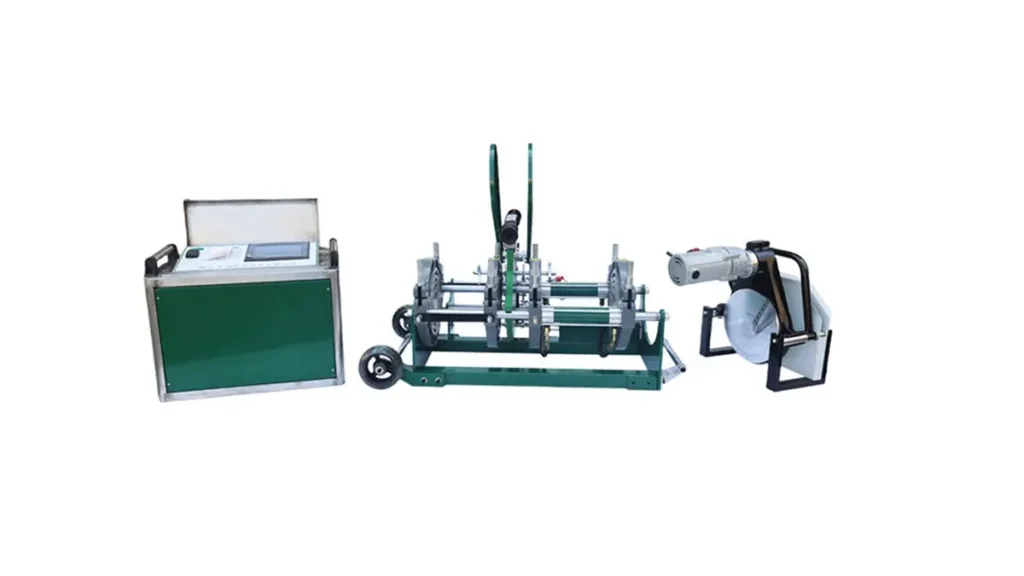
Choosing the right butt fusion welder factory for your New Zealand project means balancing performance, compliance, and service. Whether you’re a council contractor building water networks in Auckland, an irrigation specialist in Canterbury, or a utilities contractor working in remote South Island locations, the right machine affects weld strength, efficiency, and long-term pipeline reliability.
Why New Zealand Projects Need Dedicated Butt Fusion Solutions
New Zealand’s varied terrain and strict standards for potable water and gas distribution demand welders that deliver consistent, certified joints. Local jobs often involve long runs of HDPE pipe for stormwater, rural irrigation, and urban reticulation — so portability, ease of use, and after-sales support are key considerations.
What to prioritize for NZ worksites
• Portability and robustness for remote and coastal sites.
• Compatibility with common diameters used locally (from small-diameter service lines to large mains).
• Compliance with international welding standards and traceable weld records for council approvals.
Types of Butt Fusion Machines and When to Choose Them
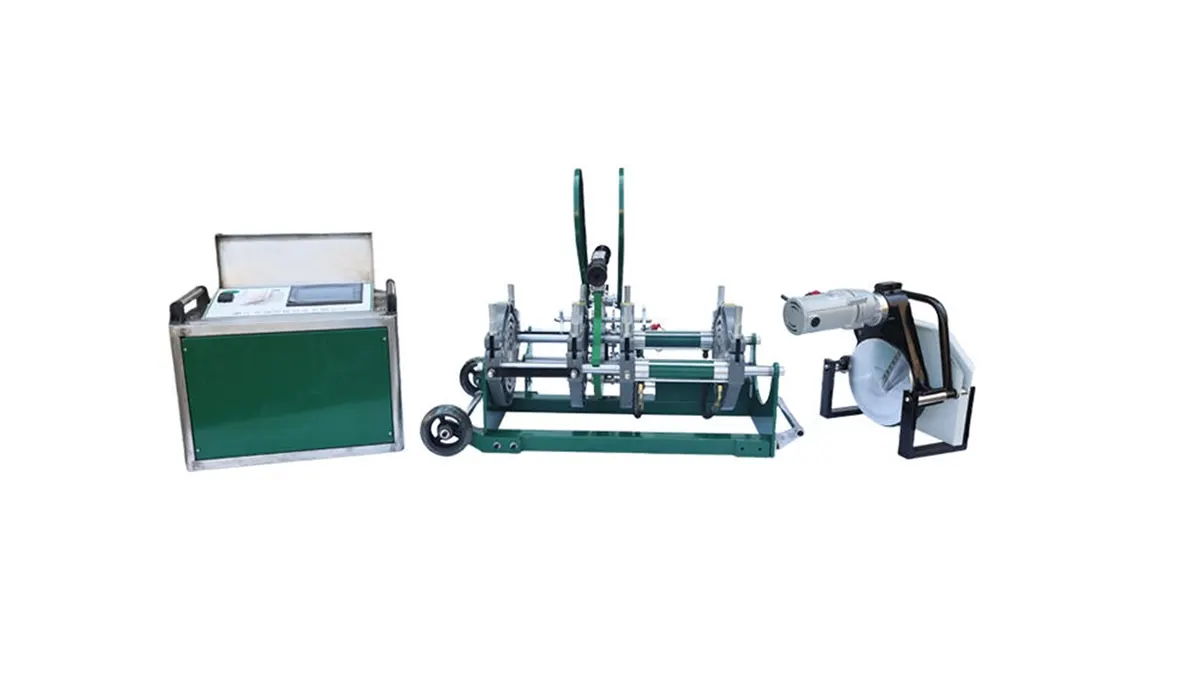
• Manual machines — Best for small-diameter service work and tight budgets. Easy to transport between urban and rural sites.
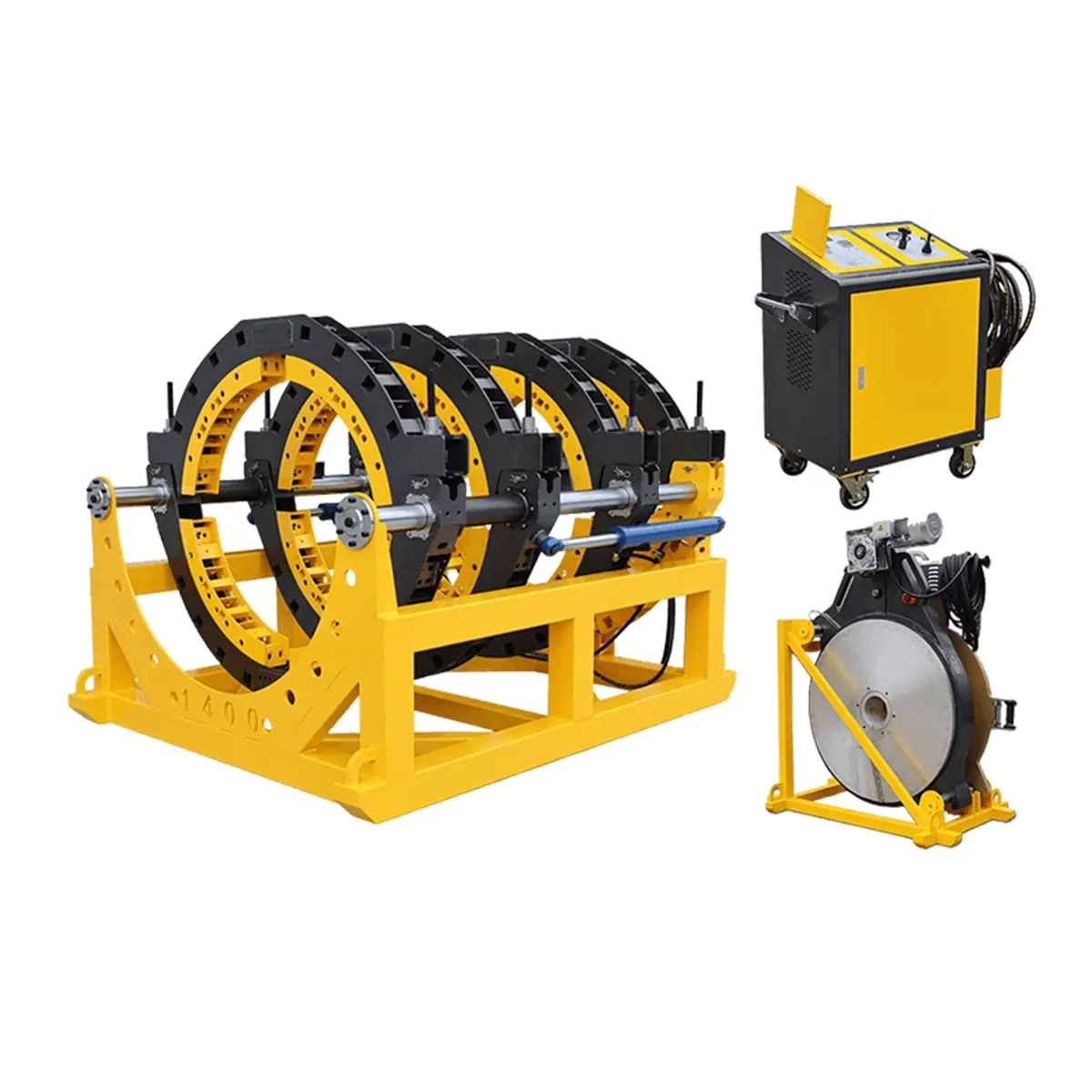
• Hydraulic machines — Ideal for medium-to-large pipeline mains common in regional water projects. Offer stable force control for consistent welds.
• Automatic/CNC machines — Recommended for high-volume or long-run jobs where precision and repeatability reduce rework and inspection time.
NZ use-case examples
• Urban reticulation (Auckland, Wellington): automatic or hydraulic machines improve cycle times and provide weld logs for compliance.
• Rural irrigation and farm reticulation (Canterbury, Waikato): portable manual or small hydraulic units balance cost and mobility.
• Large trunk mains or industrial projects (Taranaki, Otago): large-diameter hydraulic or CNC units provide capacity and control.
Quick Comparison: Which Machine Fits Your Project?
| Machine Type | Typical Pipe Range | Best For | Key Benefit |
|---|---|---|---|
| Manual Butt Fusion | 20mm–315mm | Service lines, repairs | Low cost, highly portable |
| Hydraulic Butt Fusion | 160mm–2250mm | Mains, large-diameter pipelines | Stable pressure control, better for long runs |
| Automatic / CNC Butt Fusion | 63mm–1250mm+ | High-volume projects, prefabrication yards | Highest repeatability and weld traceability |
Site Selection Checklist for NZ Contractors
• Confirm pipe material and SDR rating used by local councils or clients.
• Check accessibility: can the machine be transported to remote farms or urban backyards?
• Ask about weld documentation requirements — automated systems simplify certification for compliance.
• Factor in climate: coastal salty air may require corrosion-resistant components or regular maintenance.
Warranty, Training, and After-Sales Support
Choose factories that provide operator training, spare parts availability, and clear warranty terms — especially important for New Zealand projects where lead times for replacements can impact schedules.
About JQ-Fusion: JQ-Fusion is a professional manufacturer specializing in HDPE pipe welding machines, offering manual, hydraulic, and CNC automatic butt fusion solutions suitable for a wide range of pipeline projects. Visit https://jq-fusionwelding.com/ for details.
Final recommendation
For small urban or farm jobs, prioritize portability and serviceability. For municipal mains and industrial pipelines across New Zealand, consider hydraulic or automatic machines that provide consistent weld quality and documentation. Selecting the right factory-level partner ensures access to the models, spare parts, and training that keep projects on schedule and compliant with local standards.



