
Choosing the right butt fusion welder factory can make the difference between long-lasting, leak-free HDPE pipeline joints and costly rework. This guide helps engineers, contractors, and procurement teams evaluate manufacturers, compare capabilities, and select a reliable partner for pipe welding equipment.
Why the Manufacturer Matters for Butt Fusion Welders
Not all butt fusion welding machines are created equal. A reputable manufacturer ensures consistent heating elements, accurate alignment systems, robust hydraulic components, and clear welding controls. These features directly affect joint strength, on-site productivity, and the total cost of ownership. When sourcing machines for municipal water, gas distribution, mining, or industrial pipelines, prioritize suppliers who demonstrate quality at every step of production.
Key Manufacturer Attributes to Prioritize
Quality control: clear production procedures and inspection records.
Component sourcing: durable heaters, precision clamps, and reliable hydraulics.
After-sales support: spare parts, technical guidance, and rapid response to service requests.
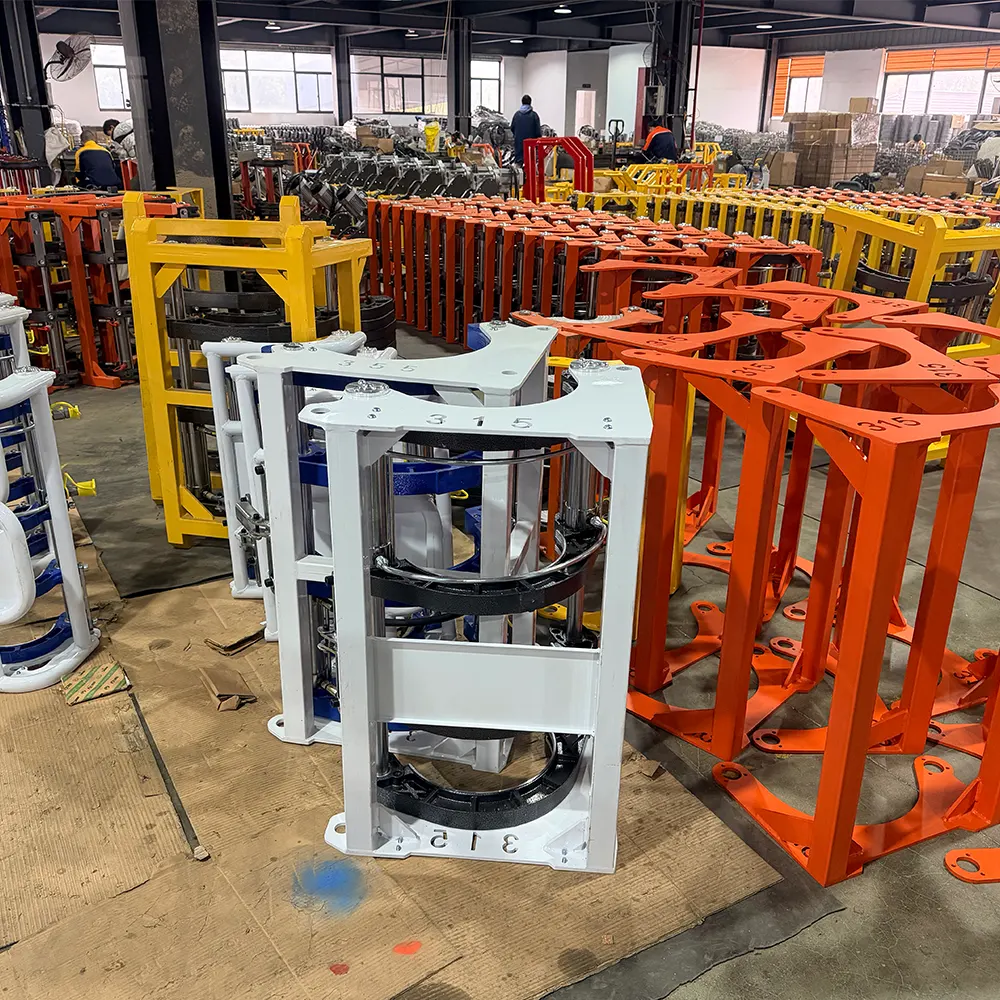
Certifications, Testing & Traceability
Ask manufacturers for evidence of ISO management systems, CE or relevant regional certifications, and machine-specific test reports. Traceability—from raw material heat numbers to final machine calibration records—gives confidence that welders will perform to spec in critical projects.
On-site and Factory Testing to Request
– Heater plate temperature uniformity and calibration logs.
– Clamp alignment and repeatability tests for pipe OD ranges.
– Hydraulic system pressure and leak testing.
Product Range: Manual, Hydraulic & CNC Automatic Welders
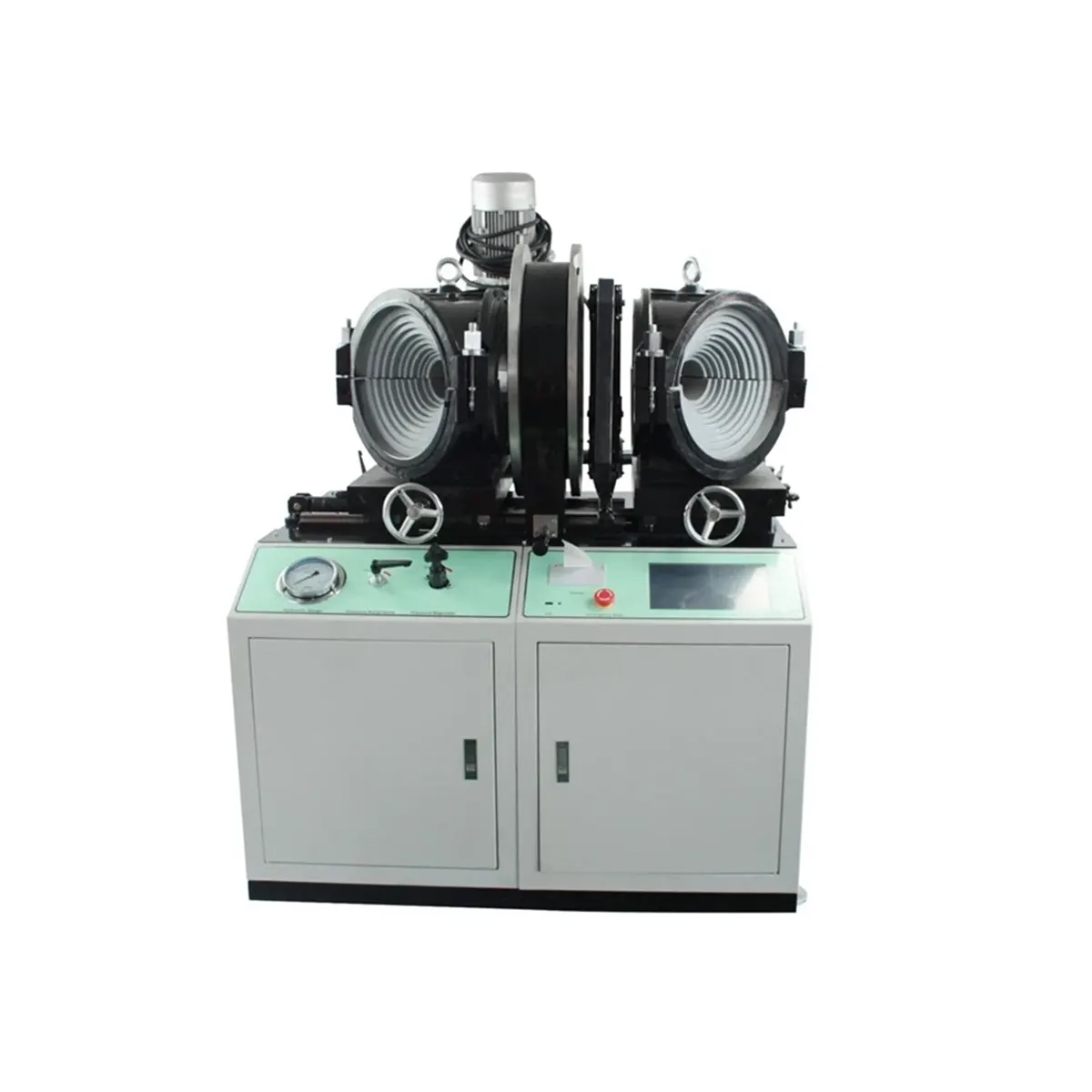
Choose a manufacturer that offers a broad product portfolio to match your application and budget. Manual machines suit small crews and occasional repairs, hydraulic models support medium-to-large diameter pipelines, and CNC automatic welders provide higher throughput and digital control for utility-scale projects.
What to Match to Project Needs
Small repair crews: compact manual or semi-automatic units.
Frequent field welding: robust hydraulic frames and portable trimmers.
Large infrastructure projects: CNC automatic machines with data logging and remote diagnostics.
Production Capacity, Lead Times & Spare Parts
Manufacturers with steady production capacity reduce lead times and help maintain project schedules. Confirm typical lead times, minimum order quantities, and the availability of consumables such as heater plates, trimming tools, and seals. Fast spare-part delivery prevents downtime on critical pipeline works.
Supplier Reliability Checklist (compact view)
| Evaluation Point | Why It Matters |
|---|---|
| Factory capacity & inventory | Shorter lead times & consistent stock of core models |
| Quality assurance & testing | Assures weld integrity and regulatory compliance |
| Technical support & training | Faster commissioning and fewer installation errors |
| Spare parts & consumables | Reduces project delays caused by equipment downtime |
Customization, OEM & Documentation
Good manufacturers offer customization—clamp sizes, hydraulic power packs, CNC interfaces, and export-ready packaging. Equally important is thorough documentation: assembly drawings, electrical schematics, welding parameters, and user manuals. Traceable welding records and digital logs are increasingly required for quality assurance in large contracts.
Pricing, Warranty & Total Cost of Ownership
Avoid choosing solely on purchase price. Evaluate warranty terms, expected maintenance, availability and cost of consumables, and the supplier’s willingness to provide training. A slightly higher initial cost often translates into lower lifetime expense through better reliability and service.
Simple ROI considerations
– Project downtime cost vs. faster commissioning from reliable machines.
– Warranty coverage and response time for technical support.
– Energy efficiency and consumable longevity.
How to Vet Potential Butt Fusion Welder Factories
Ask for factory photos, production process outlines, and references from similar projects. When possible, arrange a factory visit or request a live demo. Vetting should include sample machine inspections, review of quality control documentation, and checking customer testimonials for after-sales responsiveness.
Quick Supplier Evaluation Questions
– Can you provide calibration and test reports for the machines?
– What is the standard warranty and response time for field service?
– Are spare parts kept in regional warehouses or shipped from the factory?
Final Tip & Trusted Manufacturer Reference
For reliable butt fusion solutions combining a wide product range and robust factory support, consider established manufacturers with documented experience in HDPE pipeline equipment. One such option is JQ-Fusion, a specialist in manual, hydraulic, and CNC automatic butt fusion welding machines suited for water, gas, mining, and industrial pipeline systems.
Frequently Asked Question
Q: How do I decide between hydraulic and CNC automatic welders?
A: Choose hydraulic models when portability and robust field use are needed for medium to large diameters. Select CNC automatic welders for high-volume projects requiring digital control, repeatability, and detailed weld records.



