
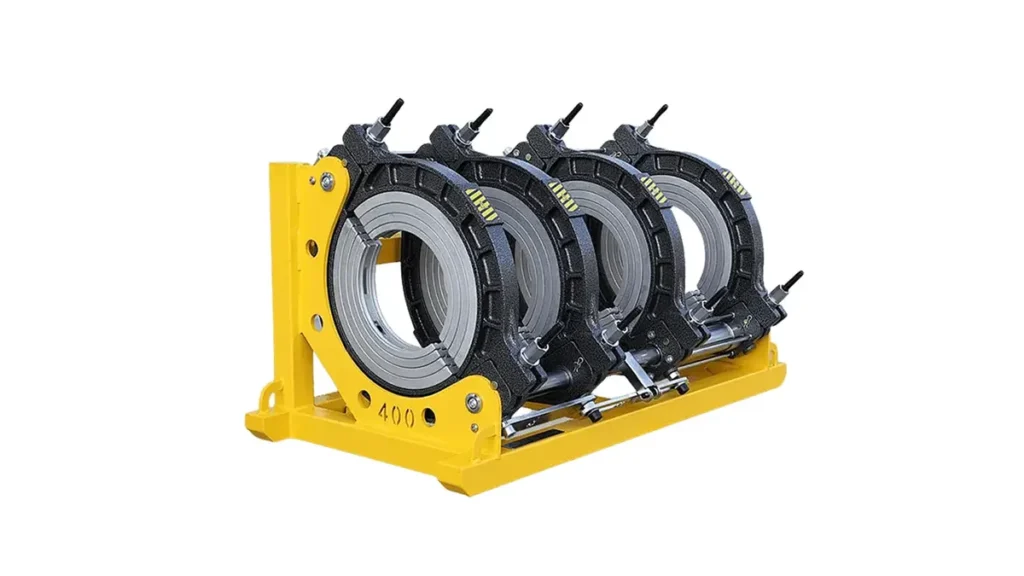
Finding the right butt fusion welder supplier in Singapore matters for contractors, municipal teams, and utility installers who need reliable HDPE pipe fusion equipment that performs in humid, tropical conditions and tight urban project schedules. This guide breaks down what to evaluate so you can choose a supplier that matches local demands and long-term project goals.
Why Singapore needs specialized butt fusion solutions
Singapore’s dense infrastructure projects — from PUB water mains and Changi-area developments to district cooling and gas distribution networks — require precise, durable pipe joints. Contractors face short delivery windows, strict safety standards, and heavy rainfall that can affect on-site welding. Selecting the right butt fusion equipment and supplier reduces rework, minimizes downtime, and ensures compliance with local specifications.
Typical buyer profiles in Singapore
Local buyers include municipal procurement teams, M&E contractors, large civil engineering firms, and rental companies that supply construction sites. These groups prioritize compact, easy-to-transport machines, fast support response, and proven performance on both small-diameter service lines and large-diameter trunk mains.
Key selection criteria: what to compare
Compare suppliers by technical specs, local support, quality control, and total lifecycle cost rather than just the purchase price.
Machine capability
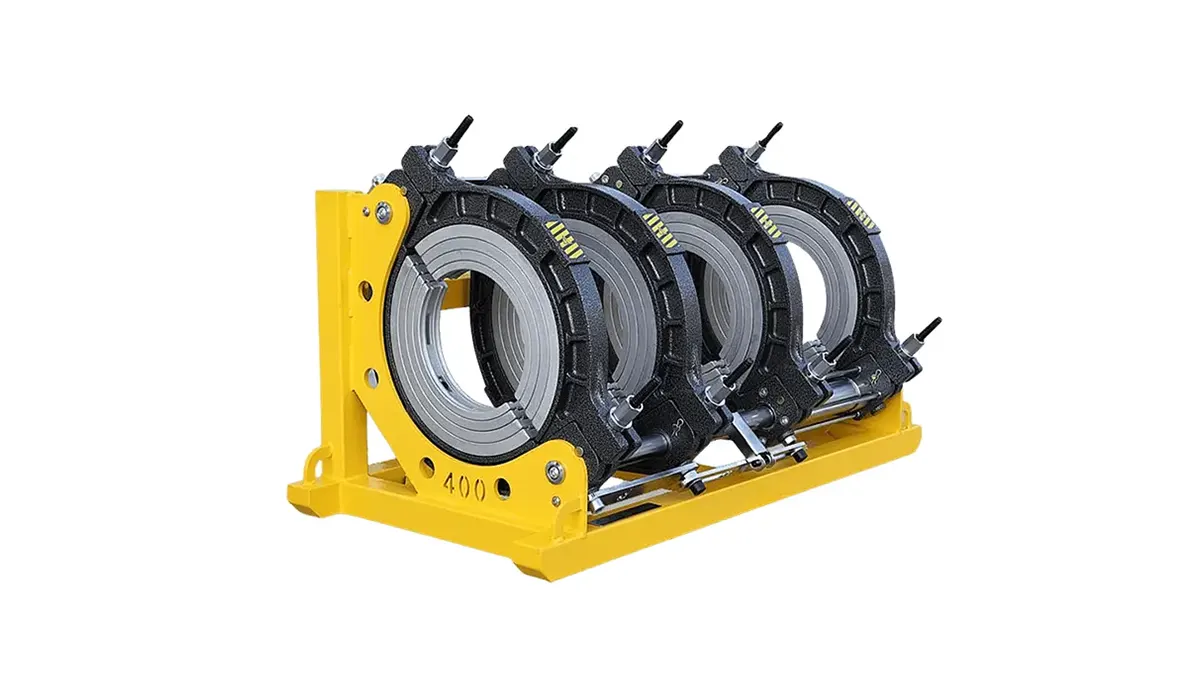
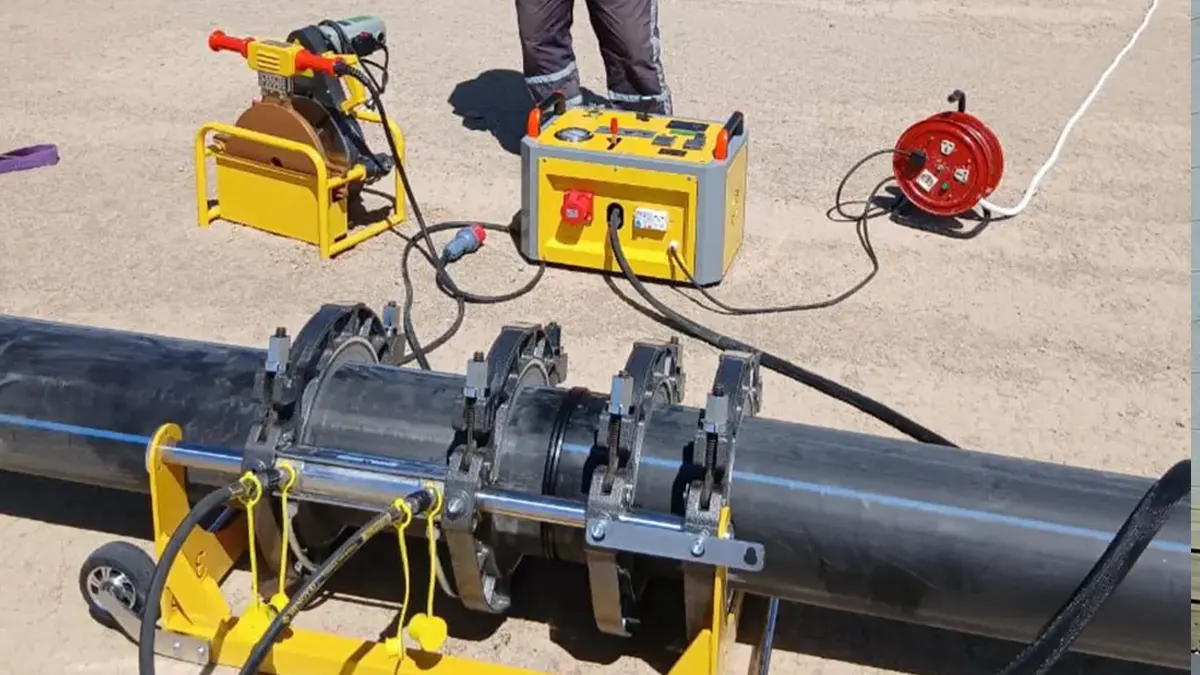
Confirm the pipe diameter range, heater plate quality, clamping system, and whether the unit is manual, hydraulic, or automatic. Singapore projects often need portability for tight sites and capacity for large municipal pipes.
Certifications and standards
Ask for compliance with international fusion standards (e.g., ISO, DVS) and test reports. Suppliers that provide traceable fusion records and calibration certificates make it easier to pass local audits.
After-sales support & training
Evaluate warranty terms, availability of spare parts locally, on-site commissioning, and operator training. Fast parts delivery via Singapore’s ports and clear service SLAs are critical for minimizing downtime.
Logistics & lead time
Consider shipping routes, customs clearance, and whether the supplier can provide local warehousing or partner distribution in Singapore to shorten lead times.
Quick comparison table: Manual vs Hydraulic vs Automatic
| Type | Typical Diameter Range | Best For | Portability | Relative Cost |
|---|---|---|---|---|
| Manual | 16mm – 400mm | Small repairs, rental fleets | High | Low |
| Hydraulic | 63mm – 2000mm+ | Municipal mains, heavy-duty jobs | Medium | Medium |
| Automatic / CNC | 63mm – 1600mm | High-volume, precision welds | Low–Medium | High |
How to evaluate a supplier in Singapore: step-by-step
1. Request detailed datasheets and fusion test reports specific to your required pipe sizes.
2. Verify warranty, parts availability, and local service partners or authorized technicians.
3. Ask for client references in Singapore or nearby Southeast Asia projects and inspect case studies.
4. Check delivery estimates including port handling and customs to align with project timelines.
Important questions to ask suppliers
-
Do you provide operator training and onsite commissioning in Singapore?
-
What spare parts are stocked regionally and how fast can they be shipped?
-
Can you supply documented fusion records and calibration certificates?
-
What are your service response times for emergency repairs?
Buying tips to save money without cutting quality
Prioritize machines with modular parts and widely available consumables. Consider extended warranty packages with scheduled maintenance. For recurring projects, weigh renting manual units against purchasing a hydraulic or automatic machine for frequent heavy-duty work.
Local logistics advantage
Choose suppliers who understand Singapore’s permit cycles and can coordinate deliveries to construction staging areas. Local knowledge helps avoid storage penalties at ports and ensures machines arrive ready for immediate deployment.
Where to start
Start by shortlisting suppliers that demonstrate technical documentation, proven local support, and a track record in HDPE fusion projects. One example of an experienced manufacturer offering a wide range of manual, hydraulic, and automatic butt fusion machines is JQ-Fusion.
Final checklist before purchase
– Confirm diameter range and site portability.
– Secure warranty & parts SLA.
– Schedule on-site training and commissioning.
– Obtain sample fusion records and calibration certificates.



